
Last updated November 18, 2026







Free written scope consultation - allowances, timeline, and change-order rules on paper before a single trade is scheduled
Kitchen Remodeling Maintenance Schedule: What to Do and When
The grout sealer your contractor applied on completion day has a working lifespan of 12 to 18 months. The soft-close hinges on your cabinet doors need their tension checked at six months. The range hood filter should get its first real cleaning before you’ve hosted a single holiday dinner. Almost no one tells you any of this at the end of a kitchen remodel, which is exactly why we wrote it down. This guide gives you a room-by-room, month-by-month calendar for the systems and materials installed in a mid-to-upper Irvine kitchen, so the room you paid for still looks and works like new in year five and year ten.
Quick Answer
A remodeled kitchen needs four checks in the first 90 days (hinges, drawer slides, caulk joints, range hood filter), then annual maintenance on stone counters, wood cabinets, undermount sink clips and plumbing supply lines. Seal natural stone and grout every 12 to 18 months, clean the hood filter quarterly, and know which items belong to you and which belong to your contractor’s written workmanship guarantee. Irvine’s hard water makes fixture and dishwasher maintenance more frequent than the national average.
Styles & brands we work with
- Kitchen remodeling
- Bathroom remodeling
- Home additions & ADU
- Roofing
- Windows & doors
- Driveway & pavers
- Fence
Table of Contents
- The First 90 Days: 30/60/90-Day Post-Install Checks
- Stone Countertops: Sealing Schedules and the Water Test
- Wood Cabinets: Cleaning, Conditioning and Hinge Tension
- Plumbing Checks Specific to a Remodeled Kitchen
- Irvine Water Quality and What It Does to Your Fixtures
- What Voids a Workmanship Guarantee vs. What’s Yours to Maintain
- A Month-by-Month Irvine Maintenance Calendar
- Common Mistakes to Avoid
The First 90 Days: 30/60/90-Day Post-Install Checks
The first three months after a kitchen remodel are the settling-in period, and it’s when small issues are cheapest to catch. Cabinets and countertops move as the room adjusts to the moisture and temperature of daily use. Here’s the schedule we hand homeowners in Irvine at project close, and it applies to almost every kitchen we build.
- Day 30 – hinge tension and drawer slides. Open and close every cabinet door and drawer. Soft-close hinges (the piston-style hinges that stop the door from slamming) loosen slightly in the first month. A Phillips screwdriver tightens the hinge plate screws; the adjustment screw on the hinge arm corrects a door that’s drifted crooked.
- Day 30 – range hood filter. Most hoods have a mesh grease filter. Soak it in hot water and dish soap, then rinse. This is the first cleaning, and it should have happened already if you’ve cooked at all.
- Day 60 – caulk joints at the sink and countertop. Press a thumb along the caulk where the counter meets the backsplash and where the sink rim meets the counter. Any soft spot, gap or dark line means the bead needs re-sealing. Water behind a countertop is one of the most expensive small problems in a kitchen.
- Day 90 – drawer slide adjustment and full walkthrough. Check that drawers run true and don’t rub. Look under the sink for moisture on the cabinet floor. Check that the dishwasher door opens without catching and that the supply line under the sink has no weeping at the fittings.
We build these visits into the written price up front. If something on this list turns out to be an installation issue rather than normal settling, our 365-Day Done Right Promise covers it: if it’s not done right, we make it right, in writing, for a full year after the job closes.
Stone Countertops: Sealing Schedules and the Water Test
Stone countertops are the item most homeowners over-maintain or under-maintain, and the fix is a simple test rather than a rigid calendar. Quartz (Cambria, Silestone, Caesarstone) is non-porous and doesn’t need sealing at all. Natural stone like granite or marble does, typically every 12 to 18 months in a working kitchen. Here’s how to know when yours is due.
- The water test. Put a tablespoon of water on the counter and leave it for 15 minutes. Wipe it off. If the stone darkens under the water and stays dark for more than a minute or two, the sealer has worn through and it’s time to re-apply.
- What sealing involves. A penetrating sealer, applied to a clean dry counter and buffed off after the recommended dwell time. It’s a homeowner task. Do it every 12 to 18 months, or sooner around the sink and cooktop where water and heat wear the sealer fastest.
- What not to use. Skip acidic cleaners (vinegar, lemon, most “natural” sprays) on natural stone. They etch the surface. A pH-neutral stone cleaner is all you need for daily wipe-downs.
- Quartz care. Quartz is tough but not indestructible. Don’t put a hot pan straight from the burner onto it, and don’t treat it as a cutting board. Cambria and Caesarstone both carry their own manufacturer warranties alongside our workmanship guarantee, so keep the care card that came with the slab.
The grout between tile backsplash and around any tile floor is a separate schedule: seal it when it’s new and re-seal every 12 to 18 months. Grout is porous even when the tile isn’t. A quick bead of sealer on a Saturday morning buys you years of stain resistance on an Irvine backsplash that sees daily cooking.
Wood Cabinets: Cleaning, Conditioning and Hinge Tension
Wood cabinets are the biggest line item in most kitchen budgets, and they degrade mostly from kitchen grease, cooking steam and sun. The maintenance is simple but should be regular. Here’s the routine we recommend for the KraftMaid and Wellborn cabinetry we install.
- Monthly: Wipe cabinet fronts with a damp cloth and a drop of mild dish soap. Dry immediately. Grease film builds up near the range faster than anywhere else.
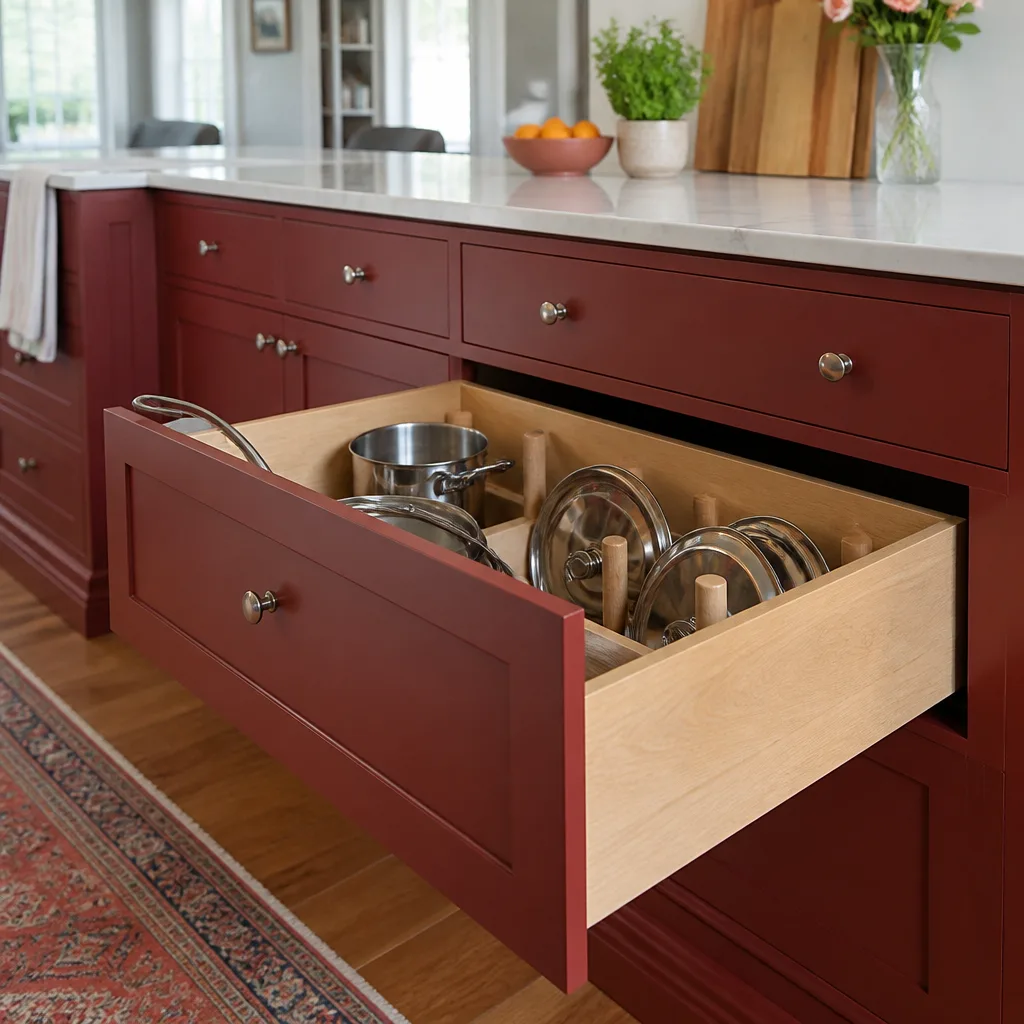
- Every 6 months: Check every hinge and drawer slide. Tighten screws, adjust door alignment, and lubricate drawer slides with a dry silicone spray (not oil, which attracts dust).
- Annually: Condition wood cabinets with a wood-safe conditioner or a light application of furniture wax. Do not use pledge-style sprays with silicone on painted or stained finishes, and never use an abrasive pad on a factory finish.
- Every 2-3 years: Inspect the caulk and filler at cabinet-to-wall and cabinet-to-ceiling joints. A hairline crack there isn’t a structural problem, but it’s a place moisture can get in behind the cabinet.
Keep the cabinets out of direct afternoon sun from a west-facing Irvine window. UV exposure fades wood finish and yellows the white painted doors that are popular in Irvine kitchens. A simple shade or window film saves a lot of finish wear.
Plumbing Checks Specific to a Remodeled Kitchen
A remodeled kitchen’s plumbing is mostly hidden, which is exactly why it deserves a scheduled look. The three systems that fail first are the sink supply lines, the garbage disposal and the dishwasher. This is the plumbing maintenance we walk homeowners through at project close.
- Supply lines under the sink. Braided stainless lines are the standard today, but even the best ones have a service life of about 5 to 8 years. Inspect them annually for bulging, cracking or weeping at the fittings. Replace at the first sign of wear. A failed supply line under a cabinet is a costly kitchen flood.
- Garbage disposal. Run it weekly with a full flow of cold water. Cold water is what flushes food through; hot water lets fats re-solidify downstream. Clean the splash guard (the rubber flap at the drain) by pulling it out and washing it in warm soapy water monthly; this is the part most homeowners never touch, and it’s where the smell comes from. If the disposal trips, press the reset button on the base before calling anyone. Never put your hand in the disposal; use the wrench or a tool.
- Dishwasher door gasket. Wipe the rubber gasket around the door with a damp cloth monthly. Food and grease build up on it and cause the door to leak. Run a cleaning cycle with a dishwasher cleaner every 3 months if you have hard water, which Irvine does.
- Dishwasher spray arms. Pull the spray arms out every 3 months and check the small holes for mineral clogs. In Irvine, hard water leaves a white scale that partially plugs the holes and cuts washing performance before the machine shows any sign of failure.
- Faucet aerator. Unscrew the aerator at the tip of your Moen or Delta faucet and rinse it every 3 to 6 months. It traps mineral scale and sediment, and a slow-flowing or spitting faucet is almost always a clogged aerator, not a failing faucet.
The same water quality that clogs aerators also shortens the life of the rubber parts in sinks, showers and appliances across the home. If you’re noticing scale in the kitchen, the guide on bathroom remodeling in Irvine covers the fixture-level side of the same problem.
Irvine Water Quality and What It Does to Your Fixtures
Irvine’s water is hard. That’s a real, measurable fact with real consequences for a kitchen: mineral scale deposits on every surface that sees water, and it accumulates fastest on the parts that are touched least. Knowing this changes your maintenance frequency.
Hard water doesn’t damage a well-built kitchen, but it does accelerate clogging in the small passages – faucet aerators, dishwasher spray arms, the water inlet on a coffee maker, the mesh screen in a refrigerator water dispenser. Where a soft-water homeowner might clean an aerator once a year, an Irvine homeowner should check it every three to six months. Dishwasher cleaning tabs, which are cheap and easy to run, do more work here than in most of the country.
Irvine’s indoor climate is gentle on wood cabinets and stone countertops. There’s no deep winter freeze, no heavy indoor humidity, no long heating season. Cabinets don’t shrink and swell the way they do in colder climates. The downside is dry air and a lot of cooking, so grease film is really the main enemy of wood finishes here. A monthly wipe-down goes further in Irvine than an annual conditioning treatment.
If you’re considering a whole-home remodel, the same material-care logic applies in every room, and our general contractor in Irvine team can lay out a full-home maintenance schedule along with the build.
What Voids a Workmanship Guarantee vs. What’s Yours to Maintain
This is the single most important section for any homeowner who’s been burned before. A workmanship guarantee should clearly divide what the contractor is responsible for from what the homeowner is responsible for, and that division belongs in the original written guarantee, not in a phone call a year later. Here’s the line, in plain terms.
What the contractor’s guarantee should cover:
- Installation defects, which includes failed caulk joints from a bad original bead, doors that don’t align because of install error, cabinet fasteners that pull out under normal use, drawer slides that fail, and countertop seams that open because of incorrect adhesive or clamping.
- Plumbing connections made by the contractor that leak at the fitting within the guarantee period.
- Any defect traceable to how the work was done rather than how the kitchen was used.
What’s the homeowner’s responsibility:
- Sealing stone counters and grout on schedule.
- Cleaning the range hood filter, dishwasher gasket, and garbage disposal splash guard.
- Replacing supply lines at the end of their service life.
- Cleaning faucet aerators and dishwasher spray arms of scale.
- Any damage from standing water, dropped pots, or a household plumbing failure outside the scope of the remodel.
The line matters because a good guarantee is useless if nobody knows where it ends. Our 365-Day Done Right Promise is in writing on every project: if the work fails inside the guarantee period, we come back and fix it at no charge, and the second visit is free. That includes the settling issues from the first 90 days. It does not cover the homeowner tasks on the list above, which is why we’re writing them down in this guide and at project close.
A Month-by-Month Irvine Maintenance Calendar
Here’s the calendar in a single view. It fits on the fridge, and it matches the schedule we hand every Irvine homeowner at the end of a remodel.
- Monthly: Wipe cabinet fronts, clean the garbage disposal splash guard, and wipe the dishwasher gasket.
- Every 3 months: Clean the range hood filter, run a dishwasher cleaning cycle, check the faucet aerator, and inspect the spray arms.
- Every 6 months: Check hinge tension and drawer slides across all cabinets, lubricate the drawer slides, and inspect the supply lines under the sink.
- Annually: Do the water test on stone counters, condition wood cabinets, inspect caulk joints at the counter and sink, and check the gasket on the dishwasher door.
- Every 12-18 months: Re-seal natural stone countertops and grout; more often around the sink and cooktop.
- Every 5-8 years: Replace the braided stainless supply lines under the sink, regardless of how they look.
If you keep this calendar, most of a remodeled kitchen will still look and function like new at 10 years. That’s the value of a kitchen remodel – and the cost of skipping the maintenance. In Irvine, where full kitchen remodels typically run $18,000 to $55,000 depending on layout, cabinet line and countertop material, the annual maintenance cost is dramatically less than the eventual replacement cost of the items that fail without it.
Common Mistakes to Avoid
- Waiting for a failure before any maintenance. Nobody schedules cabinet hinge checks until a door hangs crooked and the hinge has started to tear the wood. The check at six months is a five-minute task that prevents a $300 repair.
- Using vinegar on granite or marble. A common mistake from the “natural cleaner” movement. Acid etches natural stone, and the dull patch is permanent. A pH-neutral stone cleaner is the only thing that should touch the surface.
- Never re-sealing grout. A backsplash that isn’t re-sealed every 12 to 18 months stains permanently within a few years of daily cooking. In Irvine’s hard water, mineral scale plus an unsealed grout line is a permanent problem.
- Skipping the faucet aerator cleaning. A slowly-flowing faucet gets misdiagnosed as a failing fixture when a rinse is all it needs. This one is especially common in Irvine kitchens, where scale builds up in every aerator faster than most homeowners expect.
- Assuming the guarantee covers consumables. A supply line is a wear item with a service life. No guarantee should cover a homeowner’s failure to replace it, and knowing that early saves an argument later.
- Standing water on stone counters. Even sealed granite can absorb water at an unsealed edge. Wiping up spills at the sink and cooktop within minutes is the difference between a countertop that lasts forever and one that stains.
- Letting the range hood filter go untouched. A clogged filter cuts the hood’s airflow to the point of uselessness, and a hood that doesn’t pull smoke is a fire-risk. Clean it quarterly without fail.
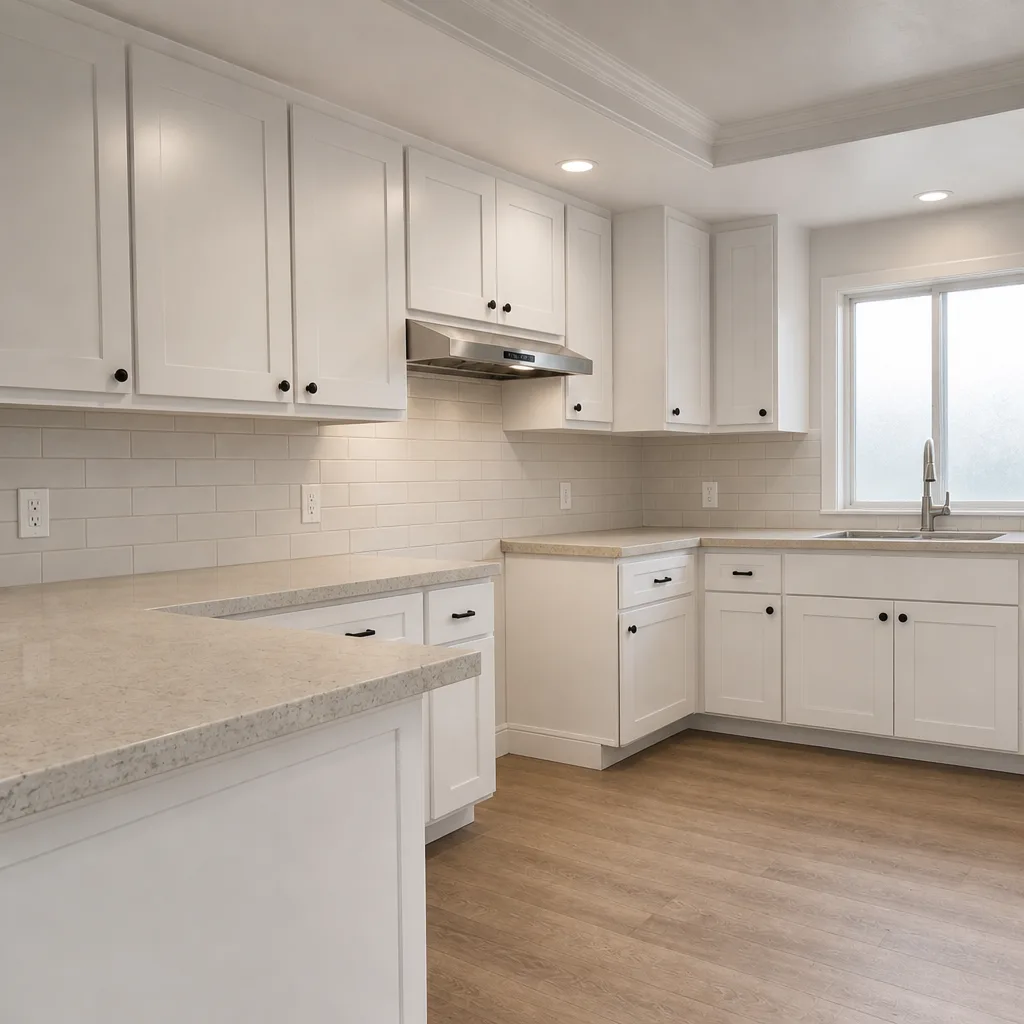
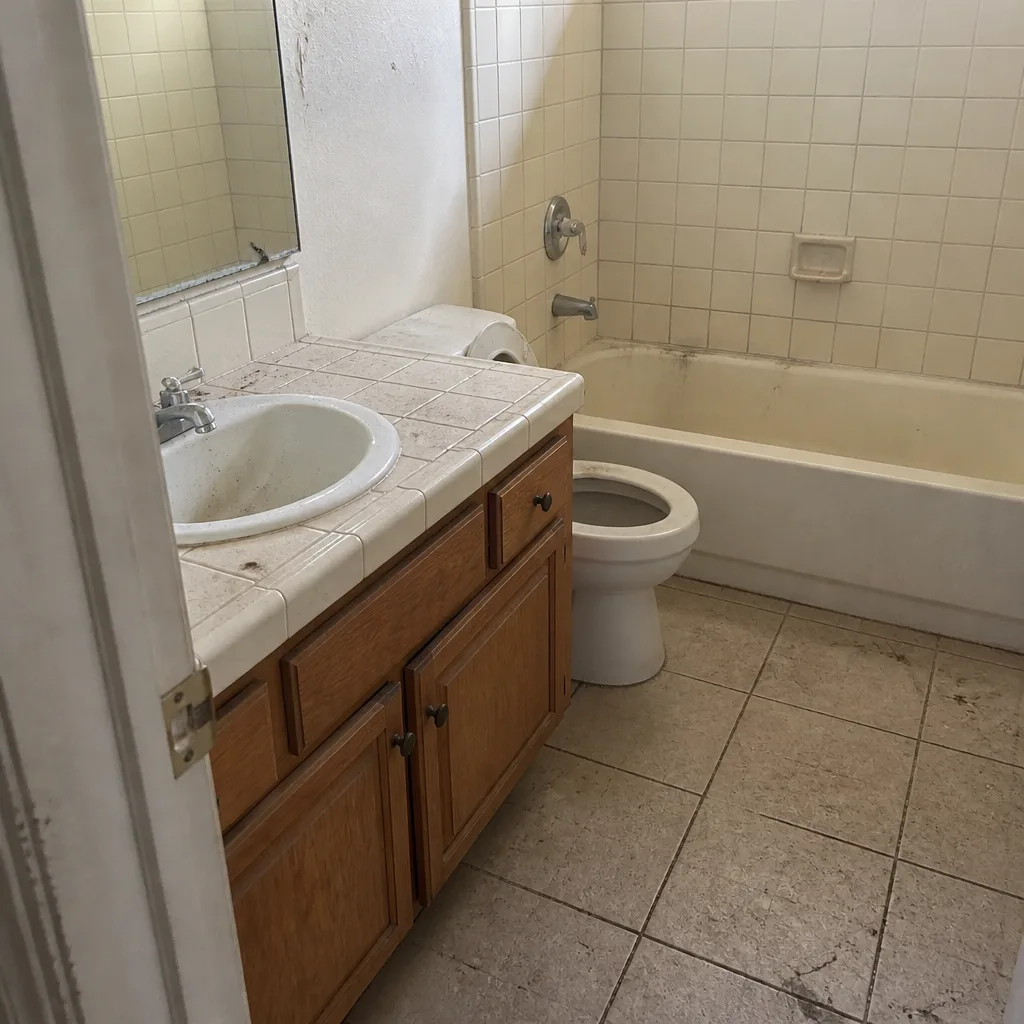
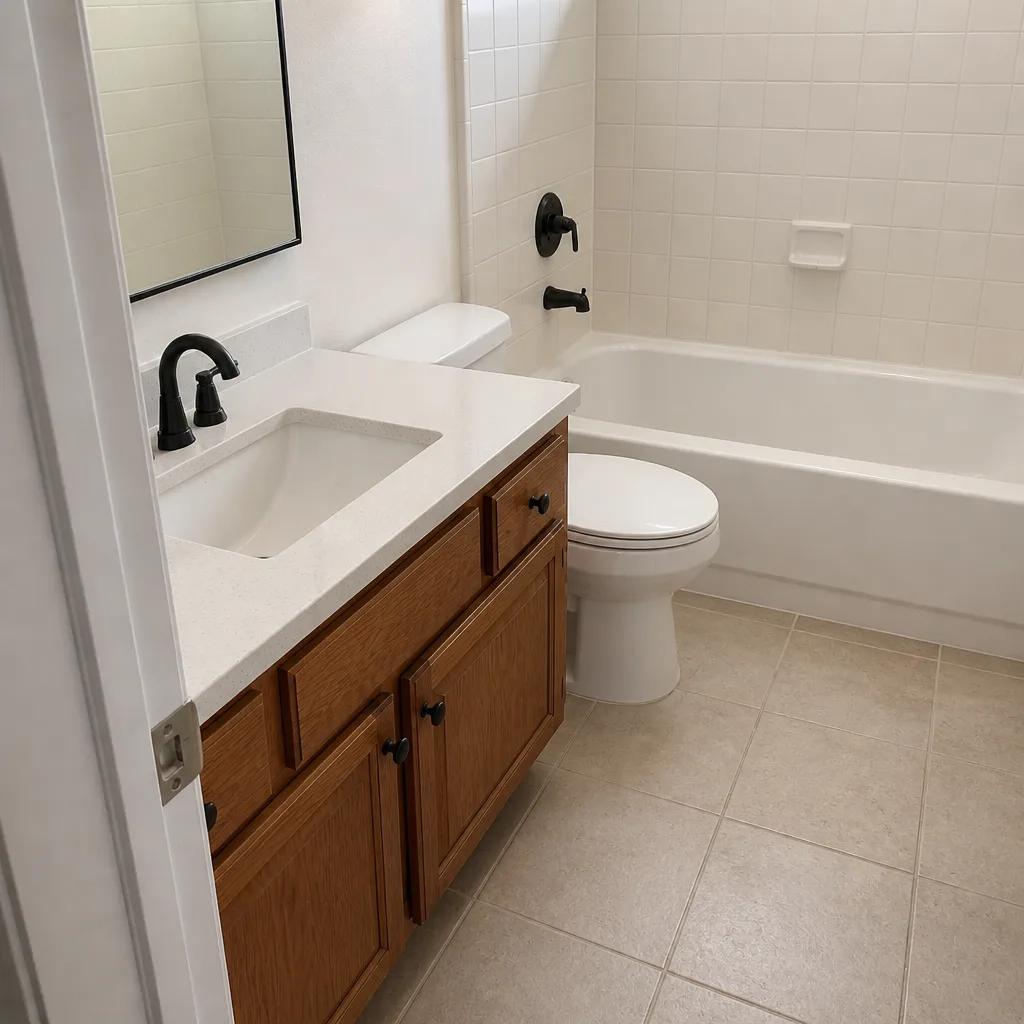
See the difference
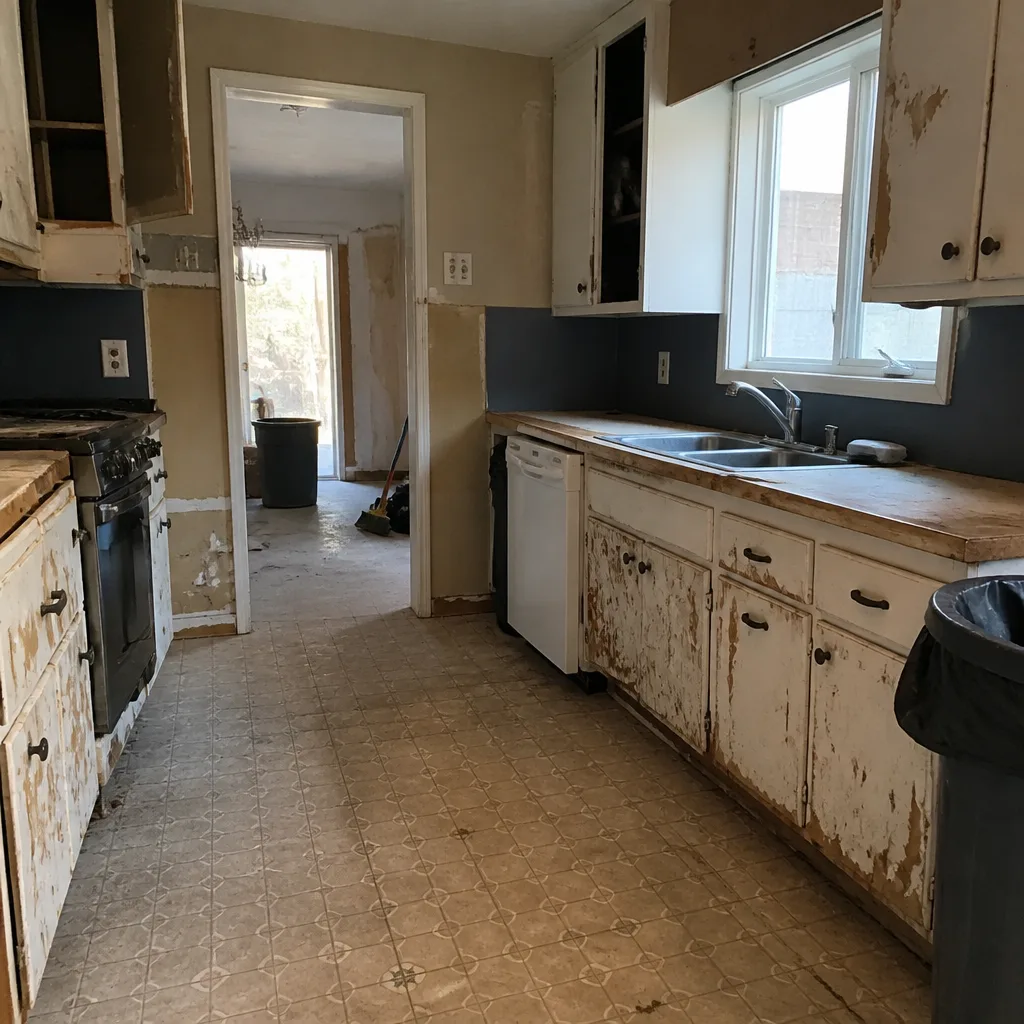 Before
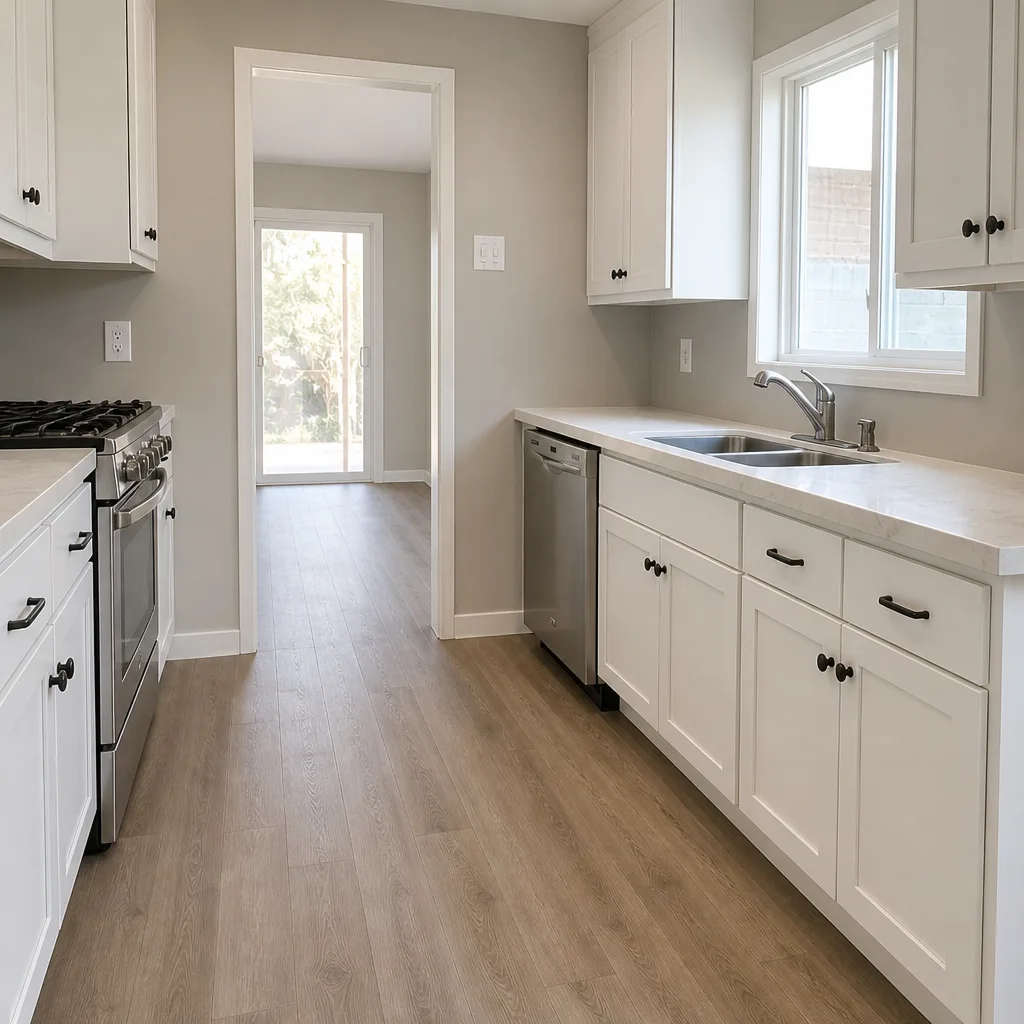 After
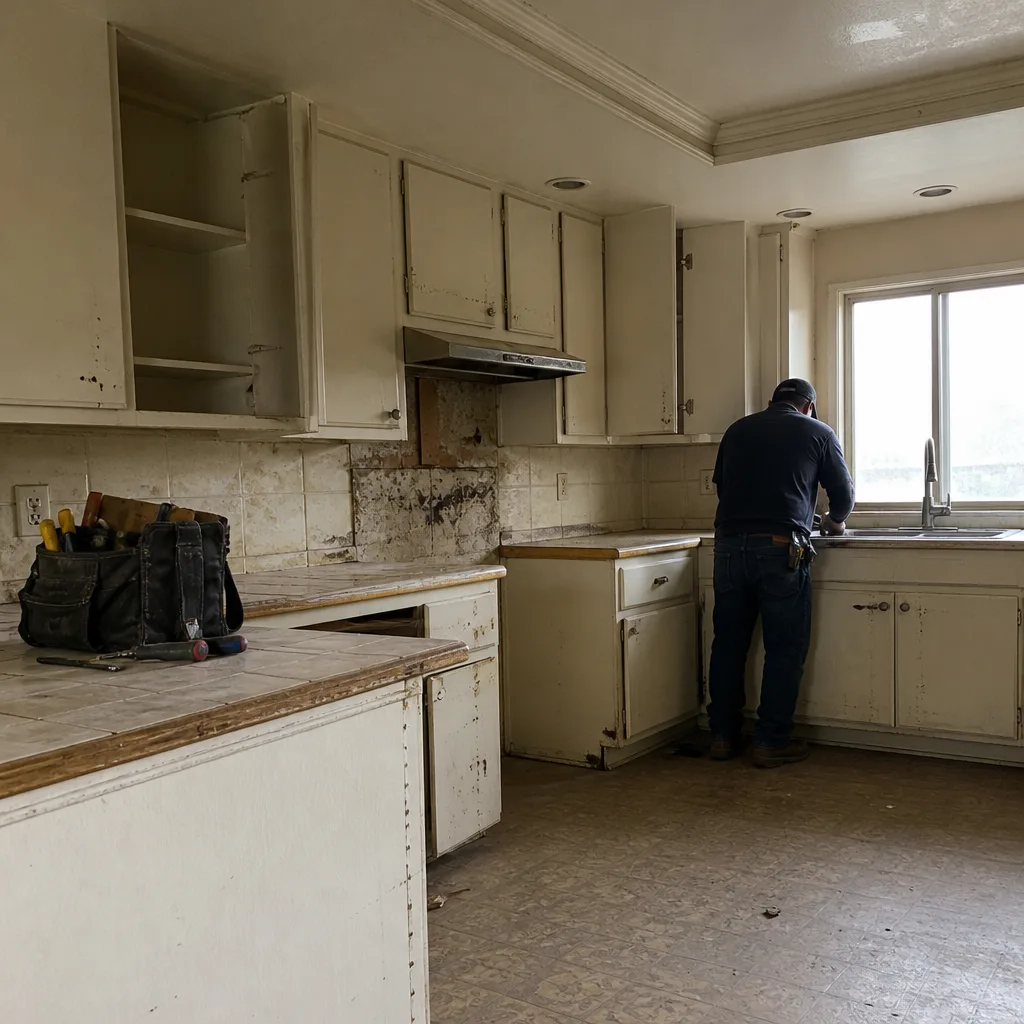 Before
 After
 Before
 After
When to Call a Professional
Most kitchen maintenance is a homeowner task. A few items are not, and knowing which ones to call about is what protects your investment and your guarantee. Call a professional for a caulk joint that’s failed behind a countertop (water behind the counter is a cabinetry problem), for a leak at a supply-line fitting that doesn’t stop when you tighten it, and for a dishwasher or disposal that trips repeatedly after a reset. Call us for anything you think is a workmanship issue – if it’s covered by the 365-Day Done Right Promise, we come out and make it right. Our live phone coverage is real, a person answers 24/7, and there’s no voicemail maze. Penhallow Remodeling Irvine offers free estimates in Irvine – call (888) 704-4104 to schedule yours.
Frequently Asked Questions
Start at 30 days, with a hinge and drawer-slide check and the first range hood filter cleaning. Caulk joints at the sink and countertop get a look at 60 days, and a full walkthrough at 90 days. These early checks catch normal settling before it becomes a repair, and anything that turns out to be an installation issue belongs to your contractor’s workmanship guarantee.
Natural stone countertops need resealing every 12 to 18 months; quartz (Cambria, Silestone, Caesarstone) never does. The reliable way to know is the water test: a tablespoon of water left for 15 minutes, wiped dry; if the stone darkens and stays dark, re-seal. Irvine’s hard water wears sealer a little faster around the sink, so check there first.
Yes. Irvine’s water carries a lot of dissolved minerals, and those minerals deposit on every water-wetted surface. Faucet aerators, dishwasher spray arms and appliance inlets clog faster here than in soft-water cities, so clean the aerator and spray arms every 3 to 6 months and run a dishwasher cleaner every 3 months. A scale-clogged aerator is a five-minute fix; a failing dishwasher is not.
Installation defects are covered: bad caulk from the original work, misaligned doors from install error, failed drawer slides, and a leaking supply-line fitting installed by the contractor. Homeowner tasks are not: sealing, cleaning filters, replacing supply lines at end of life, and any damage from misuse. That dividing line belongs in the written guarantee at the start of the job, not added later.
With the maintenance calendar followed, cabinet frames and stone counters last far longer than their manufacturers’ warranties – typically 20 years or more for good cabinetry and a lifetime for a quality quartz counter. The parts that fail early are the consumables: supply lines, aerators, grout sealer, caulk. Those are the five-year items, not the ten-thousand-dollar items.
Call the contractor who did the work first, and check the written guarantee. At Penhallow Remodeling Irvine, our 365-Day Done Right Promise covers work that fails inside the guarantee period; we come back and fix it at no charge, and the return visit is free. Call (888) 704-4104 to schedule a free estimate or a warranty visit.
The Bottom Line

A remodeled kitchen is an investment with a maintenance schedule that almost nobody hands you. The short version: check hinges, drawer slides, caulk and the hood filter in the first 90 days; clean the hood filter, dishwasher and disposal every quarter; reseal natural stone and grout every 12 to 18 months; replace supply lines every 5 to 8 years. In Irvine, the hard water makes the faucet aerator and dishwasher spray arm checks more frequent than average. Keep the calendar and your kitchen looks like new at a decade. Want the full schedule in writing, along with a free estimate and a real number before any work starts? Call Penhallow Remodeling Irvine at (888) 704-4104. Every project comes with a written price up front, background-checked uniformed technicians, and our 365-Day Done Right Promise in writing. Start at the Penhallow Remodeling Irvine home page or see the kitchen remodeling in Irvine service for the full detail.
Written by the team at Penhallow Remodeling Irvine.