Last updated November 18, 2026



Free written scope consultation - allowances, timeline, and change-order rules on paper before a single trade is scheduled
Kitchen Remodeling Troubleshooting: Common Problems and How to Fix Them
Cabinet doors that won’t close flush. A countertop seam that’s a visible dark line instead of a hairline. A dishwasher that suddenly doesn’t fit the opening it was measured for three weeks ago. None of this is bad luck, and none of it means the whole kitchen has to come out. In our experience, nearly every mid-project problem traces back to a single skipped measurement, an uncoordinated delivery, or a decision that got rushed before demo day. This guide walks through what actually goes wrong in Irvine kitchens, what the documented fix looks like, and how to have a productive conversation with your contractor instead of a frustrated one.
Quick Answer
Most kitchen remodeling problems mid-project are fixable without tearing out finished work. Out-of-plumb walls cause most cabinet door gaps and are corrected with proper shimming. Countertop seam and sink reveal problems are usually layout errors caught early enough to re-template. Appliance fit failures almost always come from trusting a “standard” opening instead of the actual appliance spec sheet. The rest – cracked grout at corners, tile lippage, backsplash haze – are finish issues with known remedies. A written guarantee on every project is what separates a fix from a fight.
Styles & brands we work with
- Kitchen remodeling
- Bathroom remodeling
- Home additions & ADU
- Roofing
- Windows & doors
- Driveway & pavers
- Fence
Table of Contents
- Cabinet Installation Problems and What Causes Them
- Countertop Issues: Seams, Overhangs and Sink Reveals
- Appliance Fit Failures: Why “Standard” Isn’t
- Tile Backsplash Problems That Show Up After Grout Dries
- When a Problem Appears After the Contractor Has Left
- Common Mistakes to Avoid
- When to Call a Professional
- Frequently Asked Questions
Cabinet Installation Problems and What Causes Them
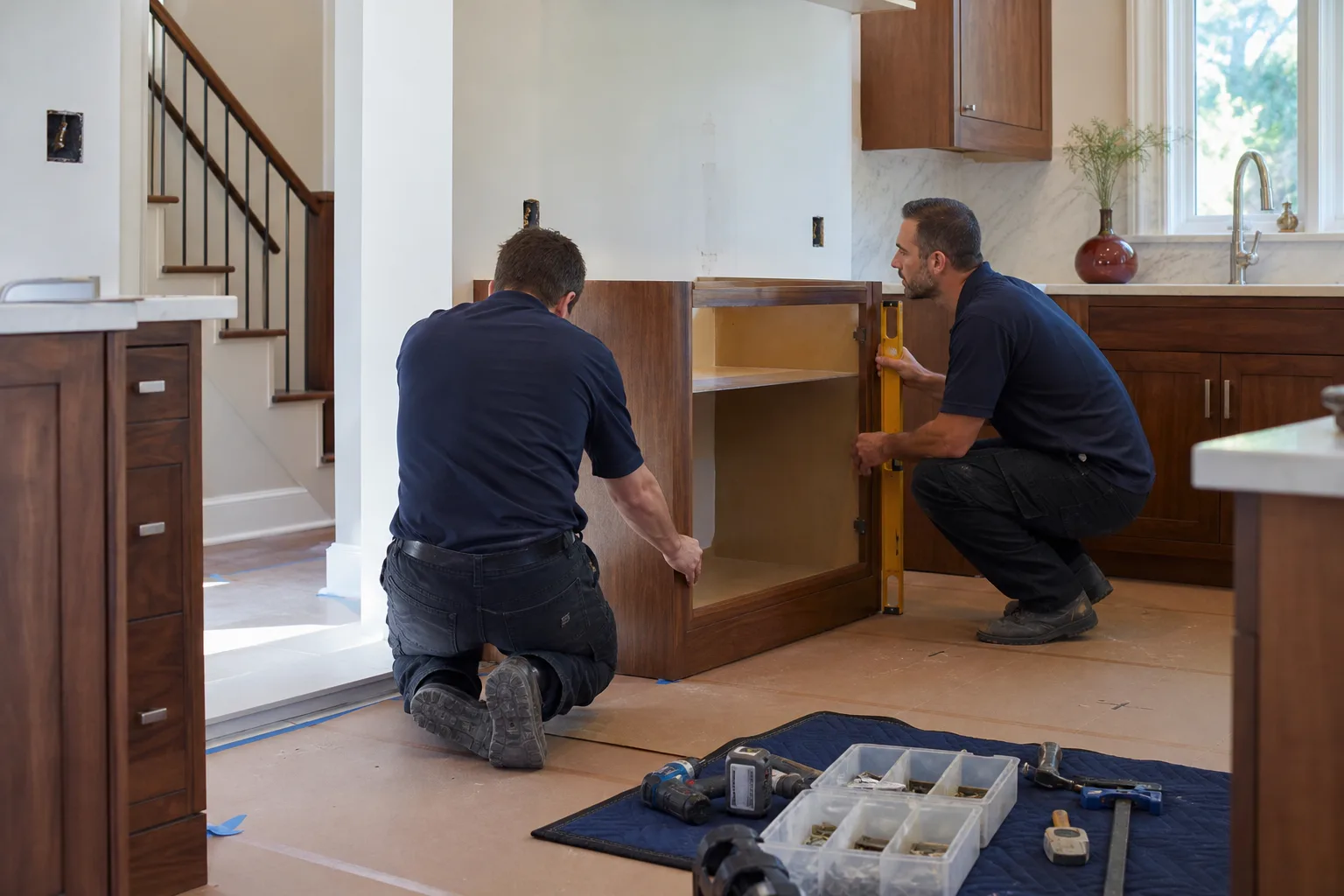
Cabinet problems are the most common mid-project complaint we hear about in Irvine, and the cause is almost always the wall behind the cabinet, not the cabinet itself. Older homes in neighborhoods like Woodbridge and Turtle Rock were framed to tolerances that a modern cabinet line won’t forgive. A wall that’s out of plumb by half an inch over six feet will show up as a door gap at the top or bottom of a run, and no amount of adjusting the hinge will close it.
Here’s how the fix actually works, and when it signals something bigger:
- Shim the cabinet, not the door. The installer planes the high spot, inserts shims at the low corner, and re-checks plumb with a level across the full run. A properly shimmed cabinet sits flat and the doors close with an even reveal.
- Check the rail height. If the top rail sits too low or too high relative to the adjoining cabinet, the doors will never align even after shimming. This is a layout error, and the fix is resetting the cabinet before the countertop is templated.
- Address crown molding gaps at the ceiling. Ceilings are rarely level. The gap between crown molding and ceiling is closed with a scribe molding or a small backer, not by forcing the crown down and cracking the joint.
Shimming is normal and acceptable. What isn’t acceptable is a cabinet that’s been shimmed so far off the wall that a filler strip is visible from the side, or a run where the shims are compensating for a wall that’s badly out of square. That’s a sign the layout was never checked against the actual room, and it’s worth a conversation before the countertop goes on. Our Kitchen Remodeling in Irvine process includes a pre-installation wall survey for exactly this reason.
Countertop Issues: Seams, Overhangs and Sink Reveals
Countertop problems fall into two buckets: fixable on site, and requires a re-template. Getting the distinction right saves weeks. In Irvine homes with Cambria quartz or Silestone, the seam is the most common complaint, and it’s almost always a placement decision made on the template, not a fabrication flaw.
- Seam placement. A seam in the middle of a high-visibility run will show. It should sit at a natural break – an inside corner, a sink edge, or a cabinet division – and it should be color-matched to the slab. A seam that’s visible from across the room is a placement mistake, and the fix is a re-cut, not a re-polish.
- Overhang inconsistency. Standard overhang is 1 to 1.5 inches. If one section of the counter sits two inches past the cabinet and the next sits half an inch, the cabinets or the template are off. Minor variance can be dressed at the edge; significant variance requires re-templating.
- Undermount sink reveal. The sink should sit flush with an even reveal around all four sides. An uneven reveal means the sink was mounted before the counter was set, or the cutout was made from a template that didn’t match the actual sink.
Here’s the rule we use: if the problem is visible when you stand at the sink and look down, it’s worth fixing. If it’s a seam in a low-traffic corner with a clean color match, it’s a judgment call. We install Cambria quartz, which carries its own lifetime warranty alongside ours, so a fabrication defect is covered on two layers. That’s worth knowing before you accept a “that’s just how quartz looks” answer.
Appliance Fit Failures: Why “Standard” Isn’t
A “standard” 36-inch range opening is not always 36 inches. This is the single most common appliance problem we see in Irvine remodels, and it’s entirely preventable. The range opening is sized to the appliance spec sheet – the actual cutout dimension from the manufacturer – not to the nominal width printed on the showroom tag. A slide-in range with a control panel that overhangs the opening by a quarter inch will not slide in, and the cabinet run has to be modified.
The refrigerator is the other frequent failure. A refrigerator that’s one inch too tall for the cabinet surround usually has three options:
- Trim the surround. If there’s a filler panel above the fridge, it can often be cut down without touching the cabinet box.
- Lower the floor platform. For a built-in surround, the platform the fridge sits on can sometimes be dropped.
- Swap the appliance. If the fridge was ordered after cabinet fabrication (a sequencing error), swapping to a shorter model is sometimes faster than modifying the cabinet.
The lesson is sequencing. Appliance selections need to be locked in writing before cabinet fabrication begins, and the spec sheet needs to go to the installer, not just the model number. When we run a kitchen in Irvine, we require the spec sheet for every appliance before the cabinet order is placed. That one step prevents most of the appliance fit failures we’re called in to fix on jobs someone else started. If you’re planning a broader project, our General Contractor in Irvine page covers how we sequence the trades.
Tile Backsplash Problems That Show Up After Grout Dries
Backsplash problems are notorious because they don’t appear until the grout has cured, which is usually a day or two after the tile setter has left. Three issues account for nearly all of them.
- Grout haze. A white film left on the tile face after grouting. It’s residue from the grout, and it’s removed with a haze remover and a soft pad once the grout has fully cured. It’s cosmetic and fixable, but it has to be done before the tile is sealed.
- Cracked grout at inside corners. This is the one that confuses homeowners. Grout at an inside corner will always crack, because the two planes of the wall move independently with temperature and settling. That joint should be caulk, not grout. If your grout cracked at a corner within weeks, the fix is to rake it out and caulk it, not to regrout. We use a color-matched caulk that reads as grout but flexes.
- Lippage between tiles. One tile edge sits higher than its neighbor. The ANSI standard allows a small amount of lippage depending on tile size and joint width – roughly 1/32 inch for large-format tile with a narrow joint, more for pressed-edge tile. If the lippage is within the standard, it’s acceptable. If it’s visible from a standing position and you can catch a fingernail on it, it’s worth raising.
Schluter trim and movement joints exist for exactly this reason: they absorb the movement that grout can’t. If your backsplash was installed without any movement accommodation at the corners and against the counter, that’s the root cause, and the fix is caulk at those joints, not a full re-tile. Irvine’s dry summers and mild winters still move a house enough to crack rigid grout at a corner over the first year.
When a Problem Appears After the Contractor Has Left
This is where a written guarantee changes the entire conversation. A verbal promise to “make it right” is worth what it’s printed on, and the homeowner ends up chasing a phone number that goes to voicemail. A written guarantee on every project means the remedy is defined before the problem exists: who comes back, within what window, and at what cost.
The 365-Day Done Right Promise is the standard we work to. If a cabinet door warps, a grout joint cracks, or a seam opens inside the guarantee period, we come back and fix it at no charge. There’s no re-inspection fee and no service call fee on a return visit. The point isn’t the paperwork; it’s that the conversation after the crew leaves is a scheduling call, not a negotiation. If you’re comparing contractors, ask to see the written guarantee before you sign anything. A contractor who can’t produce one in writing is telling you something about how the after-the-fact conversation will go.
The other thing that matters is who answers the phone. A live person available around the clock means a problem reported on a Saturday doesn’t wait until Monday. That’s the difference between a small fix and a small fix that’s had two days to get worse.
Common Mistakes to Avoid
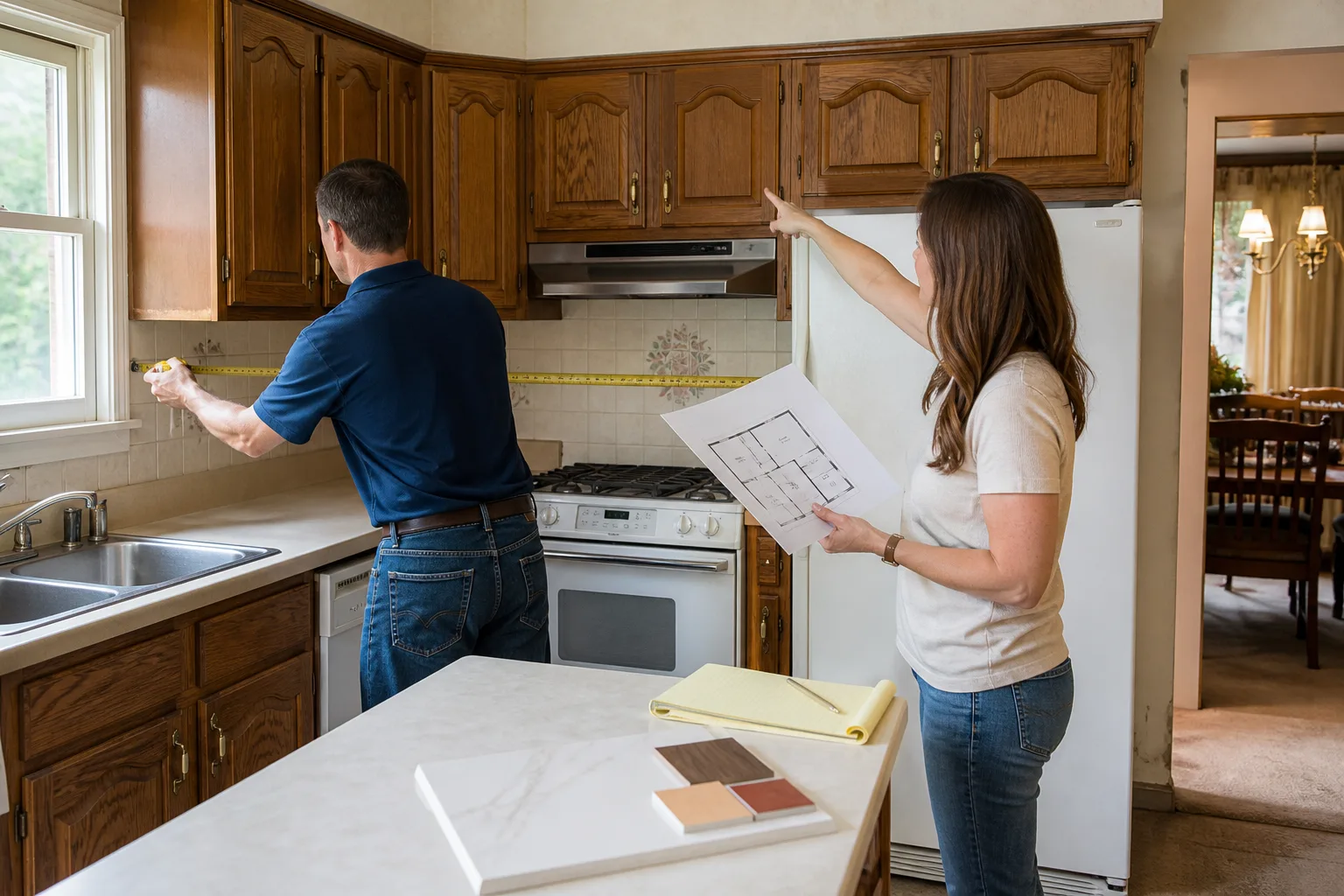
- Approving the cabinet order before the wall survey. In Irvine’s older neighborhoods, out-of-plumb walls are the rule, not the exception. Survey first, order second.
- Trusting a “standard” opening dimension. Always size the opening to the appliance spec sheet, not the nominal width on the tag.
- Skipping the pre-template countertop walkthrough. Seam placement and sink reveal should be agreed on site before the template is cut, not after the slab is fabricated.
- Grouting inside corners. Corners need a caulk joint. Grout there will crack, and the fix is a caulk joint anyway.
- Selecting appliances after cabinet fabrication. This is the single biggest cause of mid-project appliance fit failures we see.
- Accepting a verbal guarantee. If it isn’t in writing, it isn’t a guarantee, it’s a hope. Get the 365-day terms on paper before work starts.
- Using a contractor who won’t give a written price before demo. A verbal estimate that changes at the door is the most common reason a kitchen remodel goes sideways financially.
When to Call a Professional
Some problems are worth a phone call even if you think you can live with them. If a cabinet run is visibly out of plumb, if a countertop seam is dark and visible from across the room, if the dishwasher doesn’t fit the opening, or if grout keeps cracking at the same corner after a re-grout, those are signs the underlying cause hasn’t been addressed. They’re fixable, but they need eyes on them, and the earlier the better. The same goes for anything that appears after the contractor leaves – a written guarantee is only useful if you use it.
Penhallow Remodeling Irvine offers free estimates in Irvine with a written price before any work starts. Call (888) 704-4104 to schedule yours. If you’re not sure whether a problem needs a full fix or just a conversation, start with the conversation. If you’re planning a larger project, our Bathroom Remodeling in Irvine page covers the same principles on the other most-remodeled room in the house.
Frequently Asked Questions
Correcting shimmed cabinet alignment typically runs $150 to $400 if the cabinets are already installed and the fix is shim and hinge adjustment. If the run needs to be reset before the countertop is templated, cost depends on the scope, and it’s usually rolled into the installation rather than billed separately. Call (888) 704-4104 for an exact quote – estimates are free.
Sometimes. A seam that’s slightly proud or slightly miscolored can often be re-polished and re-colored on site, which runs a few hundred dollars. A seam that’s badly placed – in the middle of a high-visibility run – usually requires re-cutting and re-templating, which means a new slab section. The placement is the deciding factor, not the color.
Because that joint should be caulk, not grout. The two walls move independently with temperature and settling, and rigid grout can’t absorb that movement. The fix is to rake out the cracked grout and replace it with a color-matched caulk that flexes. Regrouting the same corner will crack again.
The ANSI standard allows roughly 1/32 inch for large-format tile with a narrow joint, and more for pressed-edge tile. If you can catch a fingernail on the edge from a standing position, it’s worth raising with the installer. Minor lippage within the standard is acceptable and won’t collect water.
Most full kitchen remodels run 6 to 10 weeks from demo to final walkthrough, depending on cabinet lead time and whether the layout changes. Appliance and cabinet lead times are the biggest variable right now, which is why we lock those in writing before fabrication begins.
If the work fails inside the guarantee period – a door that warps, a grout joint that cracks, a seam that opens – we come back and fix it at no charge, with no re-inspection fee. There’s a free second visit if a repair fails. The terms are in writing on every project, before work starts. Call (888) 704-4104 to review the terms for your project.
The Bottom Line
Most kitchen remodeling problems are predictable, and most are fixable without tearing out finished work. Cabinet door gaps come from out-of-plumb walls and are corrected with proper shimming – or caught early enough to reset the run. Countertop seams and sink reveals are layout decisions made on the template, so they need to be agreed on site before fabrication. Appliance fit failures come from trusting a “standard” opening instead of the spec sheet. Backsplash problems that appear after grout dries are usually a missing caulk joint or haze residue, both with known fixes. The through-line is the same: a written price before work starts and a written guarantee after it ends is what turns a problem into a scheduled fix instead of a fight. Every project operates under The Kingswell Way: say the price, show up in the window, leave the place cleaner than we found it.
Written by the team at Penhallow Remodeling Irvine.
See the difference
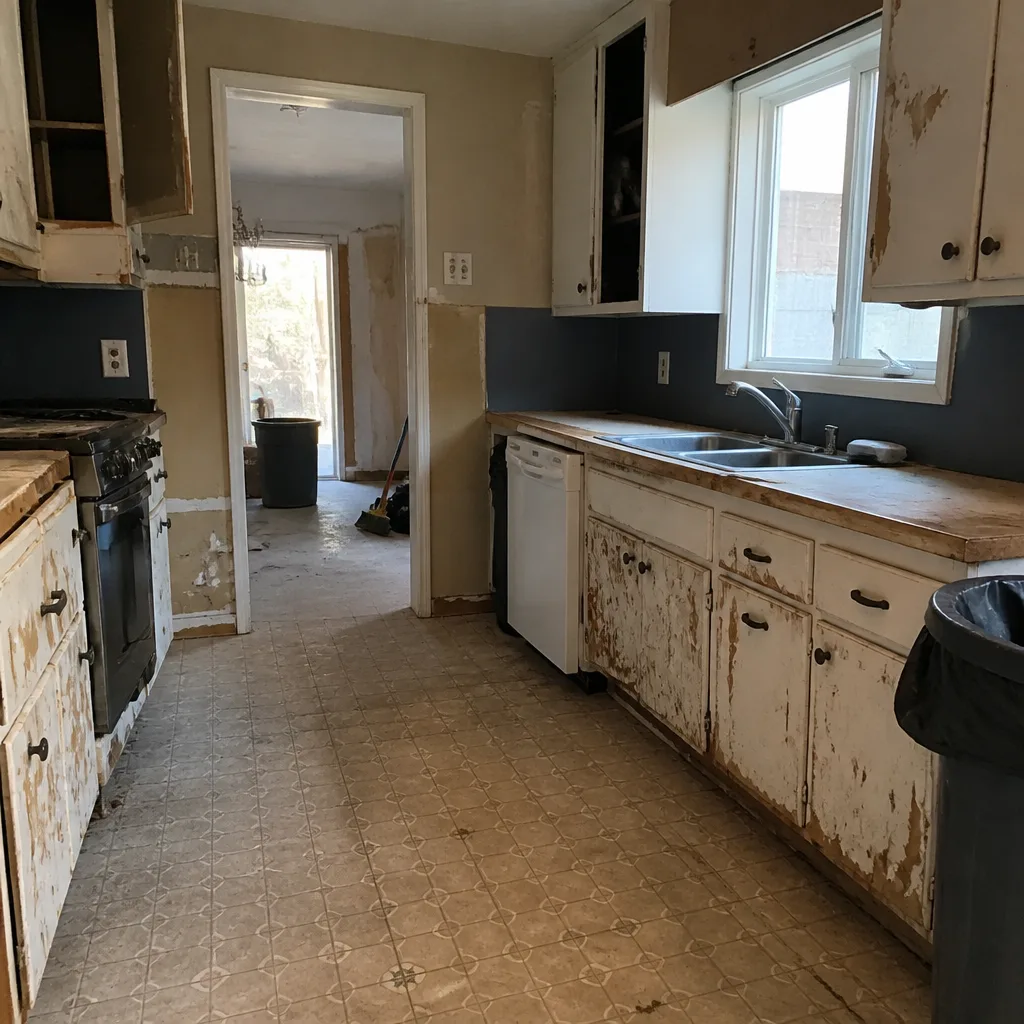 Before
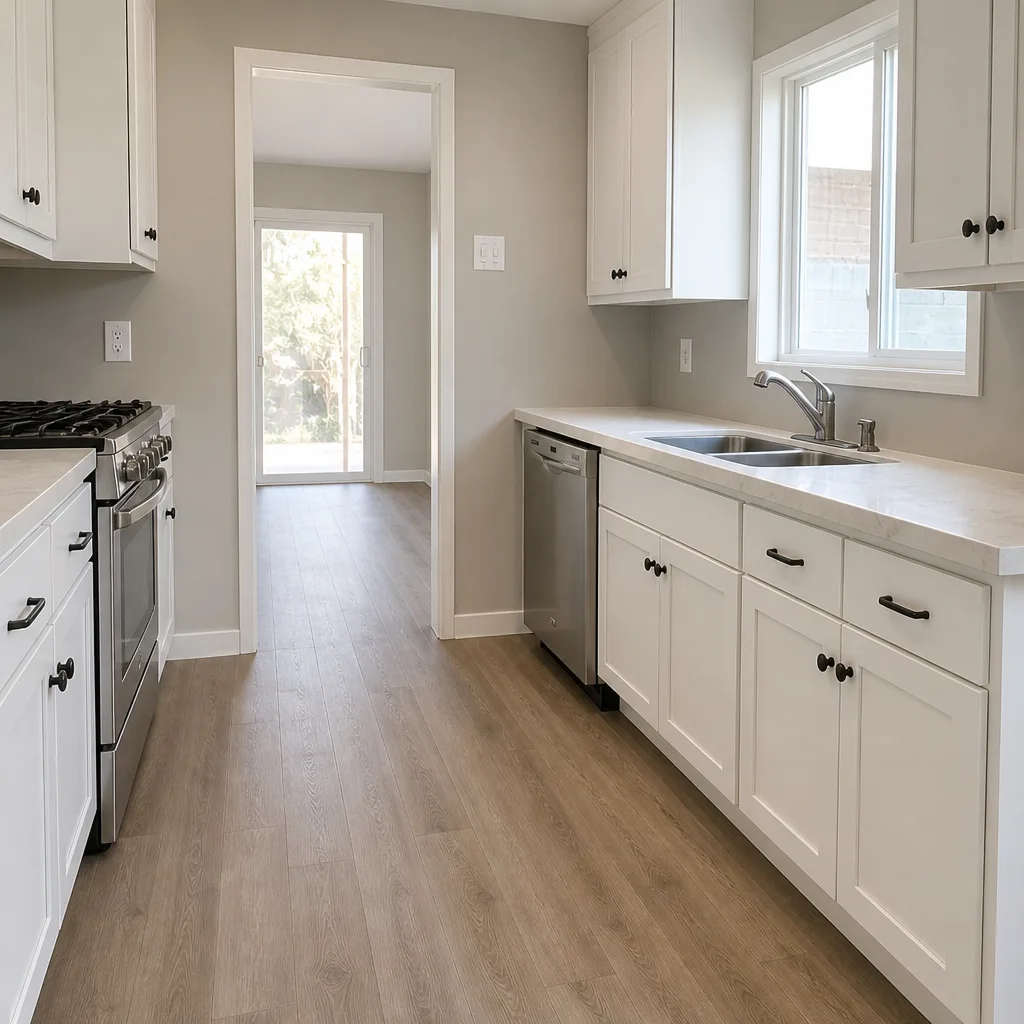 After
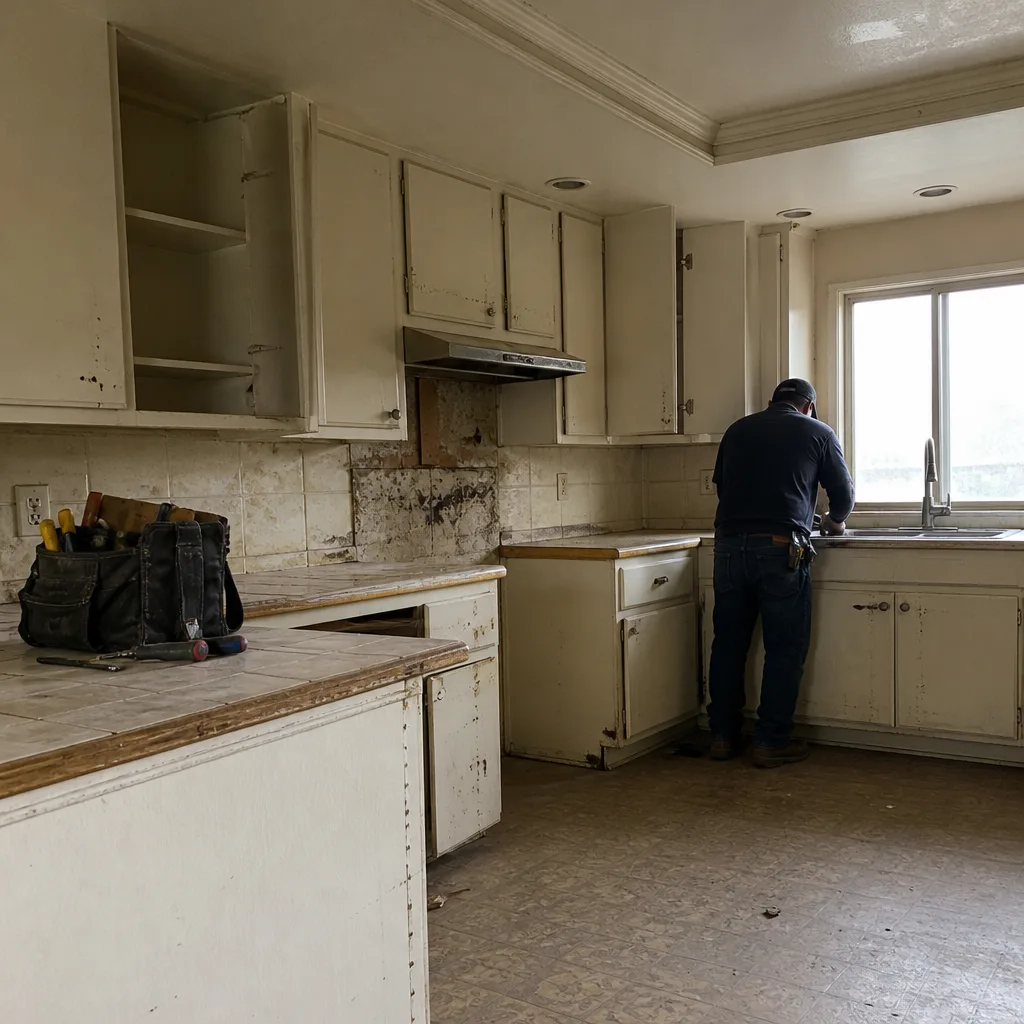 Before
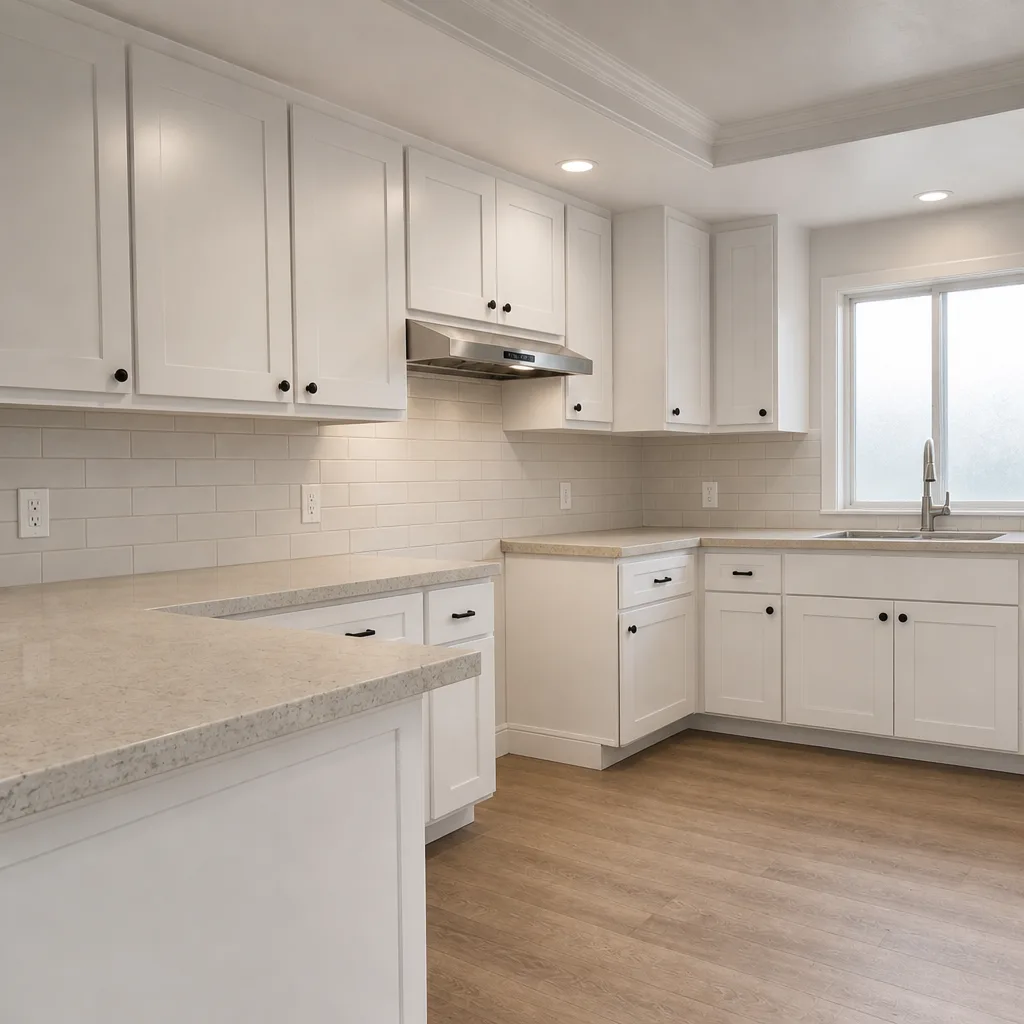 After
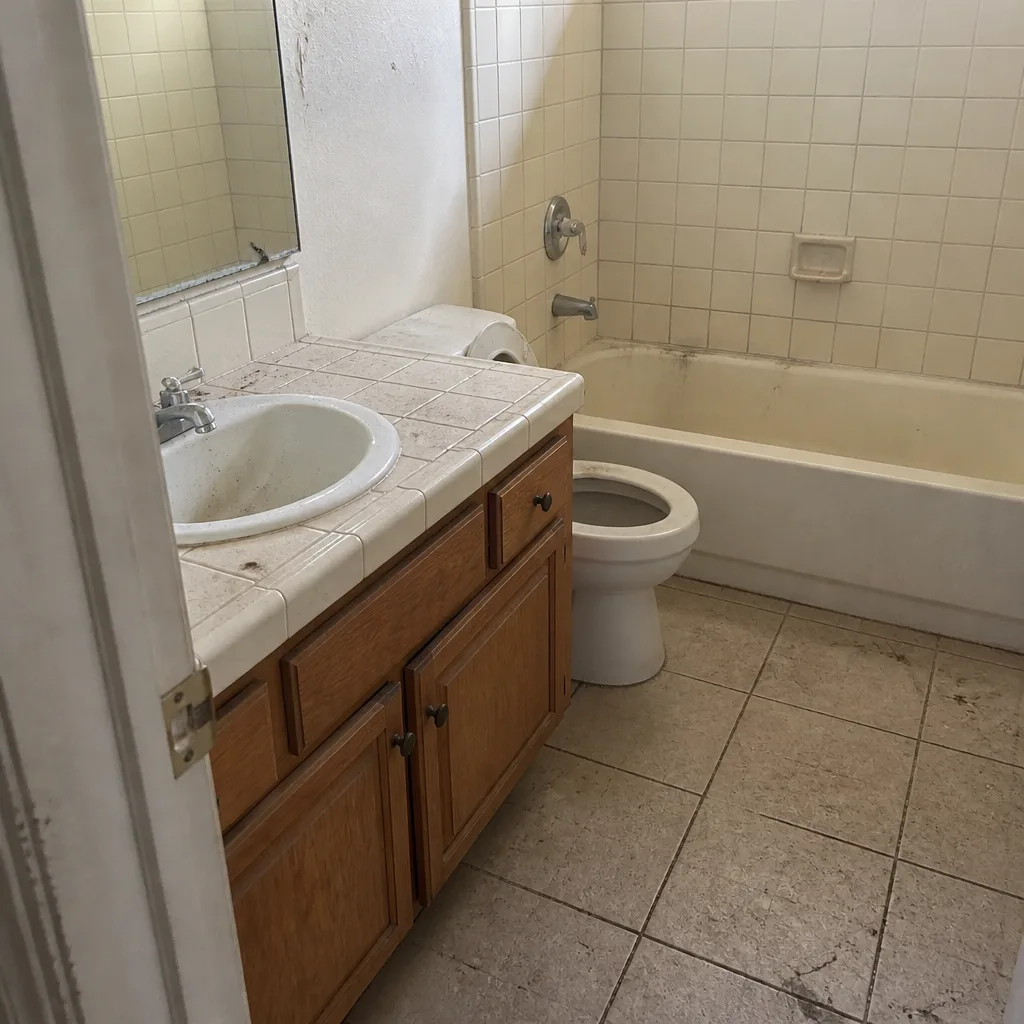 Before
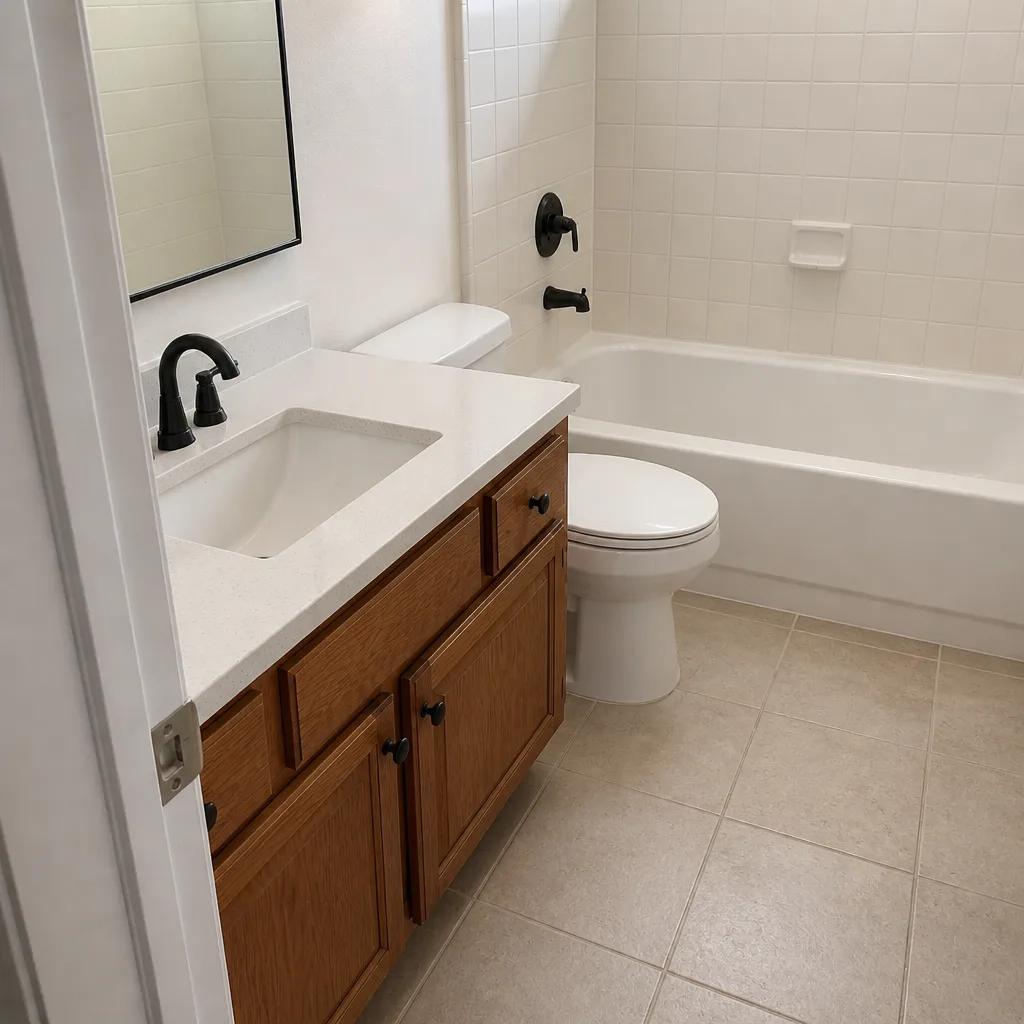 After