Last updated November 18, 2026






Free written scope consultation - allowances, timeline, and change-order rules on paper before a single trade is scheduled
DIY vs Professional Home Remodeling: What’s Safe to Do Yourself
A YouTube tutorial can teach you to tile a backsplash in 20 minutes. It won’t tell you that an improperly waterproofed substrate behind that tile will grow mold for 18 months before you smell it. That gap between what a video shows and what a wet, humid Southern California bathroom actually does is where most DIY regret lives. The real question isn’t whether you’re handy enough to do the work. It’s whether a mistake on this particular task can be undone in an afternoon or requires tearing out a wall. This guide gives you a plain framework for drawing that line, Irvine code triggers to watch for, and a way to split a remodel so the reversible work stays yours.
Quick Answer
Safe DIY tasks are the ones with reversible risk: painting, swapping hardware, refacing cabinets, landscaping, and demolition prep. Leave structural changes, waterproofing, electrical work, and anything touching a load-bearing wall to a licensed professional, and understand that in Irvine certain projects require permits regardless of your skill level. If you can undo a mistake in an afternoon without opening a wall, it’s probably yours to own.
Styles & brands we work with
- Kitchen remodeling
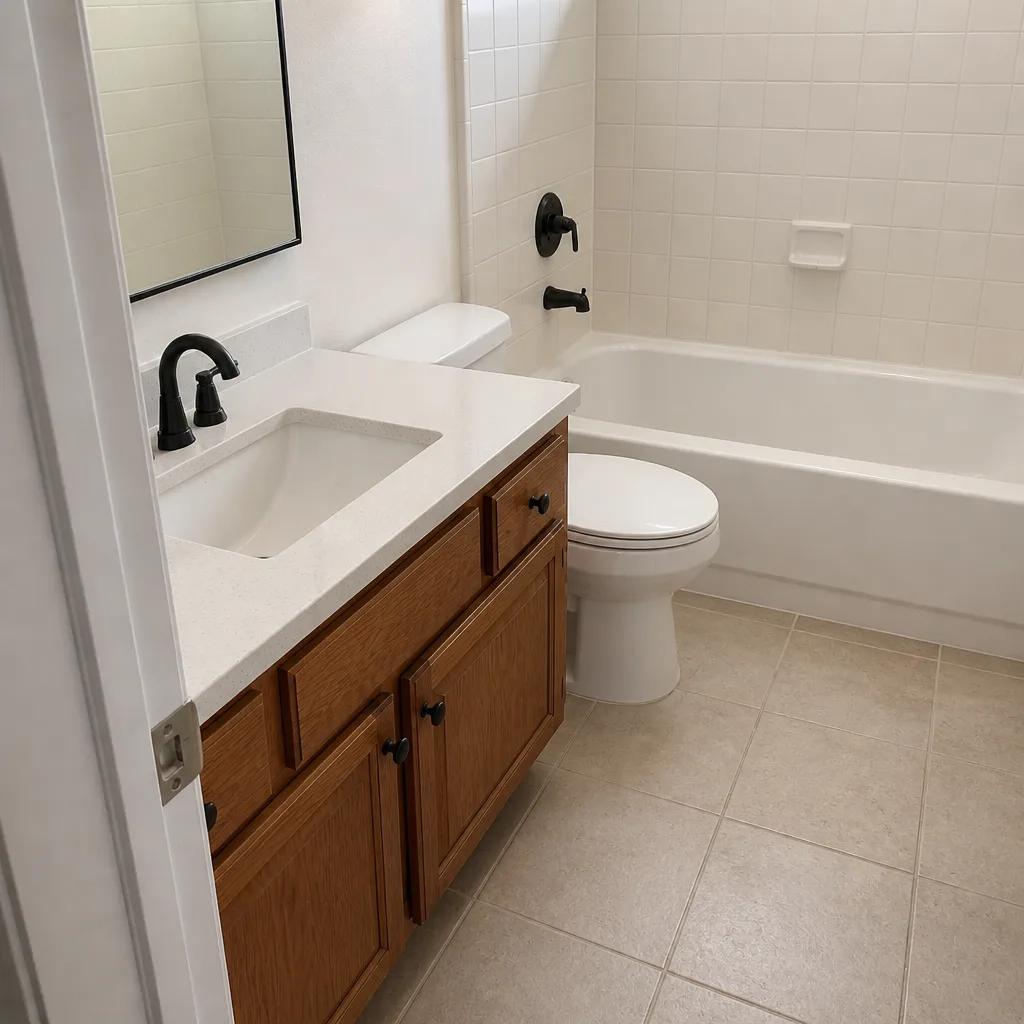
- Bathroom remodeling
- Home additions & ADU
- Roofing
- Windows & doors
- Driveway & pavers
- Fence
Table of Contents
- The Reversibility Test
- California Permit Triggers That Make DIY Illegal
- Low-Reversibility-Risk Tasks You Can Safely Own
- Tasks That Look Simple But Aren’t
- How to Split a Project Without Losing the Guarantee
- What Irvine Homeowners Specifically Should Know
- Common Mistakes to Avoid
The Reversibility Test
Forget the skill question. Ask a different one: if this goes wrong, what does it cost to undo it?
A coat of paint that comes out the wrong shade is a weekend and $80 in primer. A tile job installed over a substrate that wasn’t waterproofed correctly is a full demolition of that wall in 18 months, plus whatever mold remediation costs. Same afternoon of effort going in. Completely different exit ramp.
We test every task on three questions:
- What’s the removal cost? If undoing the work means cutting out drywall, calling a trade back, or re-opening a permit, it’s not reversible.
- What’s the detection delay? Bad paint is visible immediately. Bad waterproofing, bad electrical load math, and bad structural changes fail months or years after you’ve hung the towel bar and moved on.
- What’s the consequence ceiling? A crooked backsplash is ugly. A water leak behind a shower wall is a floor replacement and possibly a mold claim. A fire from an overloaded circuit is worse.
The clean rule of thumb: if you can undo the mistake in an afternoon with tools you already own, without touching drywall or hiring anyone back, take the job. If undoing it requires opening a wall, it belongs to a professional.
California Permit Triggers That Make DIY Illegal
Skill is beside the point on some projects. In California, and specifically in Irvine, certain work requires a permit whether you’re a homeowner with 30 years of experience or hiring a licensed contractor. Doing permitted work without a permit is a code violation that follows the house, not the person who did it.
Common trigger points in Irvine:
- Moving or removing any wall until you’ve confirmed with the city whether it’s load-bearing
- Adding or relocating electrical outlets, circuits, or panel work
- New plumbing lines, moved fixtures, or gas line changes
- Structural changes: beams, headers, posts, new openings
- Water heater and HVAC replacements
The inspection consequence is the part homeowners underestimate. If work is done unpermitted and a later buyer’s inspector catches it, you’re facing either retroactive permitting and inspection (which often means opening up the work to see it) or a price reduction at sale. In Irvine’s resale market, a disclosure line about unpermitted electrical work is a real dollar number off the offer. We’ve watched deals renegotiate over a single unpermitted outlet addition. It’s not worth it.
Low-Reversibility-Risk Tasks You Can Safely Own
Here’s what we tell homeowners who want to keep their hands on the project. These are the jobs where a mistake costs you time, not a wall.
- Painting. Walls, ceilings, trim, cabinets if you’re careful. The worst failure is the wrong color or a bad coat, and it’s fixable by sanding and starting over.
- Hardware swaps. Cabinet pulls, door knobs, drawer slides, towel bars, light fixtures on existing junctions (not new circuits). Swapping a Kohler faucet onto existing supply lines is well within reach for a careful homeowner; running a new line is not.
- Cabinet refacing and repainting. This is one of the highest-value DIY upgrades in a kitchen and it doesn’t touch structure. Refacing a boxed cabinet with new doors and veneer is a weekend job and fully reversible if you hate it.
- Landscaping. Beds, plantings, pavers on a sand base, mulch, and low-voltage pathway lighting. Just know that anything involving irrigation tied into your plumbing or a new gas line to an outdoor grill crosses into permit territory.
- Demolition prep. Pulling old tile, removing cabinets, taking down non-load-bearing drywall (after confirming with a contractor it’s non-load-bearing). If you want to save money on a larger general contractor in Irvine project, doing your own demo is one of the safest ways to shave labor cost.
None of these touches the water, the power, or the structure. That’s the pattern. If it stays on the surface of the house, it’s usually yours to own.
Tasks That Look Simple But Aren’t
This is where homeowners get hurt. These tasks read as one-video jobs and aren’t.
Tile and Waterproofing
The tile itself is easy. What matters is the cement board substrate (the moisture-resistant layer behind your tile) and the waterproofing membrane over it. Skip a proper membrane and moisture sits inside the wall for months before you see a crack or smell the problem. By then you’re tearing out the wall to fix it. We use Wedi and Schluter systems on bathrooms we build for exactly this reason, and we don’t advise homeowners to take this on solo in a wet room.
Electrical Outlets and Load Calculations
Adding an outlet looks like running a wire and connecting three of them. What it actually requires is a load calculation on the circuit, arc-fault and ground-fault protection done right, and a permit that gets inspected. Overloaded circuits are how kitchen fires start. This is not a DIY task.
Anything Touching a Load-Bearing Wall
You can’t tell by tapping. The wall holding up the room is often not where you think it is, and the fix for a cut beam is structural engineering, not spackle. Get a professional opinion before you cut anything.
How to Split a Project Without Losing the Guarantee
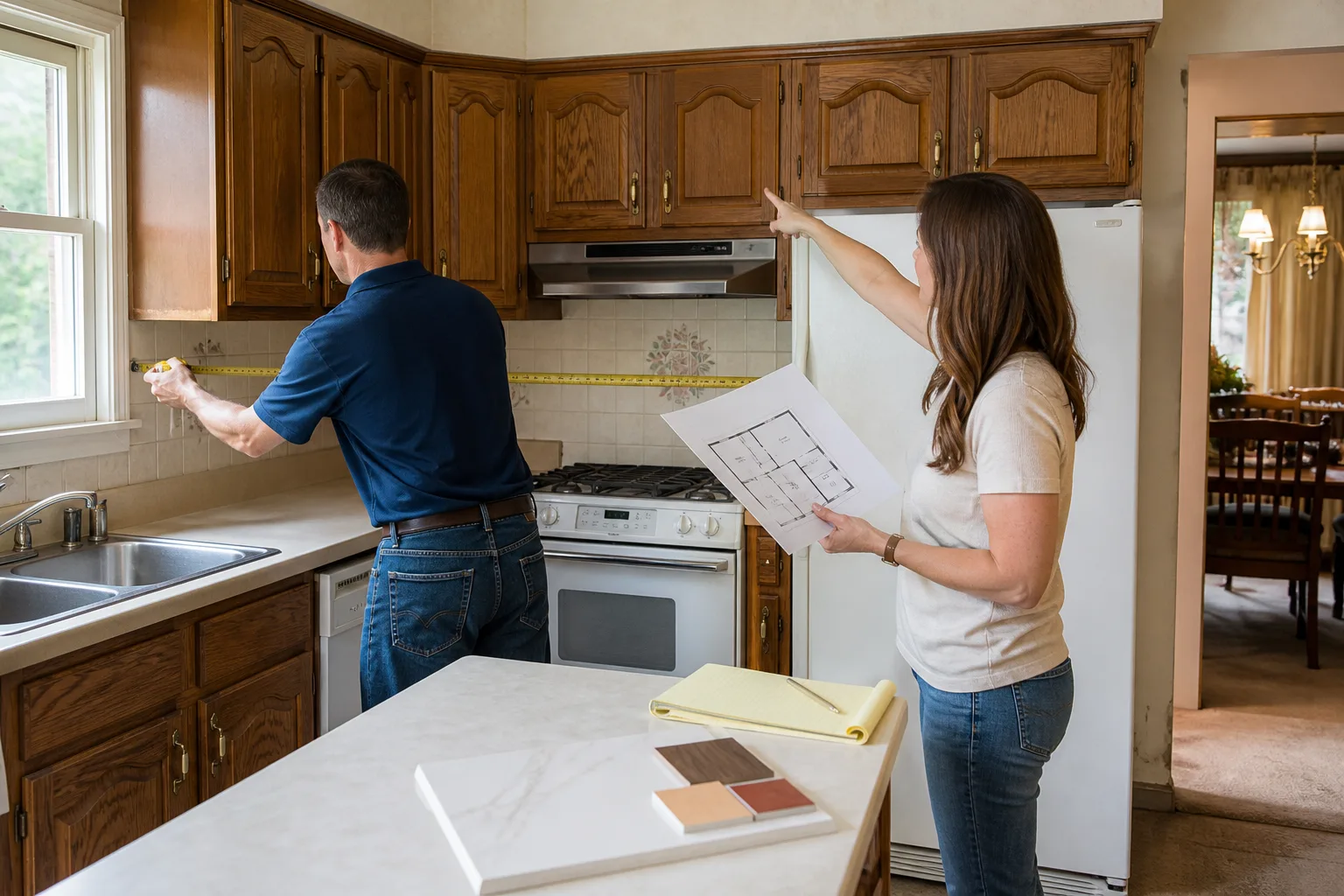
We’ve done this on dozens of Irvine kitchen remodeling in Irvine and bathroom projects. You can absolutely split a remodel: homeowner on the reversible work, contractor on the irreversible. The move that protects you is agreeing on the split in writing, before anyone picks up a tool.
The working structure that holds up:
- Contractor scopes the irreversible work first. Structure, rough plumbing, electrical, waterproofing, tile setting. This goes in the written price.
- Homeowner owns the reversible. Demo (after confirmation), painting, painting again, hardware, fixtures on existing junctions, landscaping around the finished project.
- Sequencing is documented. Your painter needs to know when the cabinets are getting hung. Your contractor needs the wall paint finished before the trim goes in. The schedule goes in writing.
- Guarantee scope is defined per section. This is the part most homeowners miss. If you paint the wall, we don’t warrant the paint. If we set the tile over substrate we installed, we do warrant that, and it’s covered by the 365-Day Done Right Promise.
We install KraftMaid and Wellborn cabinetry, Cambria, Silestone, and Caesarstone quartz, and Moen and Kohler fixtures, and each of those carries its own manufacturer warranty alongside ours. Knowing which layer of guarantee covers which part of the split is what keeps your warranty intact.
What Irvine Homeowners Specifically Should Know
Irvine has a few realities that shape this decision more than a generic guide would.
Climate. Irvine’s warm, dry summers and mild winters mean the outside of your house is forgiving. Inside bathrooms and kitchens, the humidity is real. A poorly sealed shower is going to fail slower here than in a wet climate, which is exactly why the mistake hides longer. Detection delay in Irvine is measured in seasons, not weeks.
HOA rules. A large share of Irvine homes sit under an HOA, and exterior changes (siding material, roof color, fence replacement) often need HOA approval before they need a city permit. Pulling that approval is on you unless you contract it out. James Hardie siding is a common HOA-approved choice because the color handoff from the manufacturer matches what you proposed.
Master-planned plumbing. Many Irvine tract homes were built with shared plumbing walls between bathrooms and kitchens. Moving a fixture sometimes means opening a wall that connects two rooms, which is a much bigger project than the same task in an older custom home. Get a scoped opinion before you commit.
Resale market. Irvine’s resale values reward documented, permitted, warranted work. A kitchen remodel with a written scope and permit history sells the home. A pile of unpermitted DIY tricks does not.
Common Mistakes to Avoid
- Skipping the waterproofing membrane. It’s the single most expensive shortcut in a bathroom, because fixing it means tearing out the wall you just built. Use a real membrane and don’t eyeball it.
- Cutting a wall before confirming it’s not load-bearing. Tap-testing and guessing doesn’t work. Get a contractor to look at the structural plan or open a small inspection hole first.
- Doing electrical work unpermitted. In Irvine this is not a minor code issue; it becomes a resale disclosure and an unpermitted-work markup on your buyer’s inspection report.
- Starting demoltion before the contract is written. We’ve watched homeowners pull cabinets in anticipation, then get a verbal estimate that balloons once the contractor sees what was under them. The written price protects the homeowner. Sign it before demo starts, always.
- Assuming a verbal ballpark is a price. A verbal estimate is a conversation. A written price is a number you can hold someone to. If it’s not on paper before work starts, it’s not the price.
- Mixing DIY and warranty work without agreeing on scope. If you paint over a contractor’s prepped wall and later the paint fails, that’s on you. Define who owns which layer before the first brush goes down.
- Choosing a bidder who doesn’t show up in a window. A contractor who can’t commit to an arrival window in writing won’t commit to showing up on day one of your project either.
See the difference
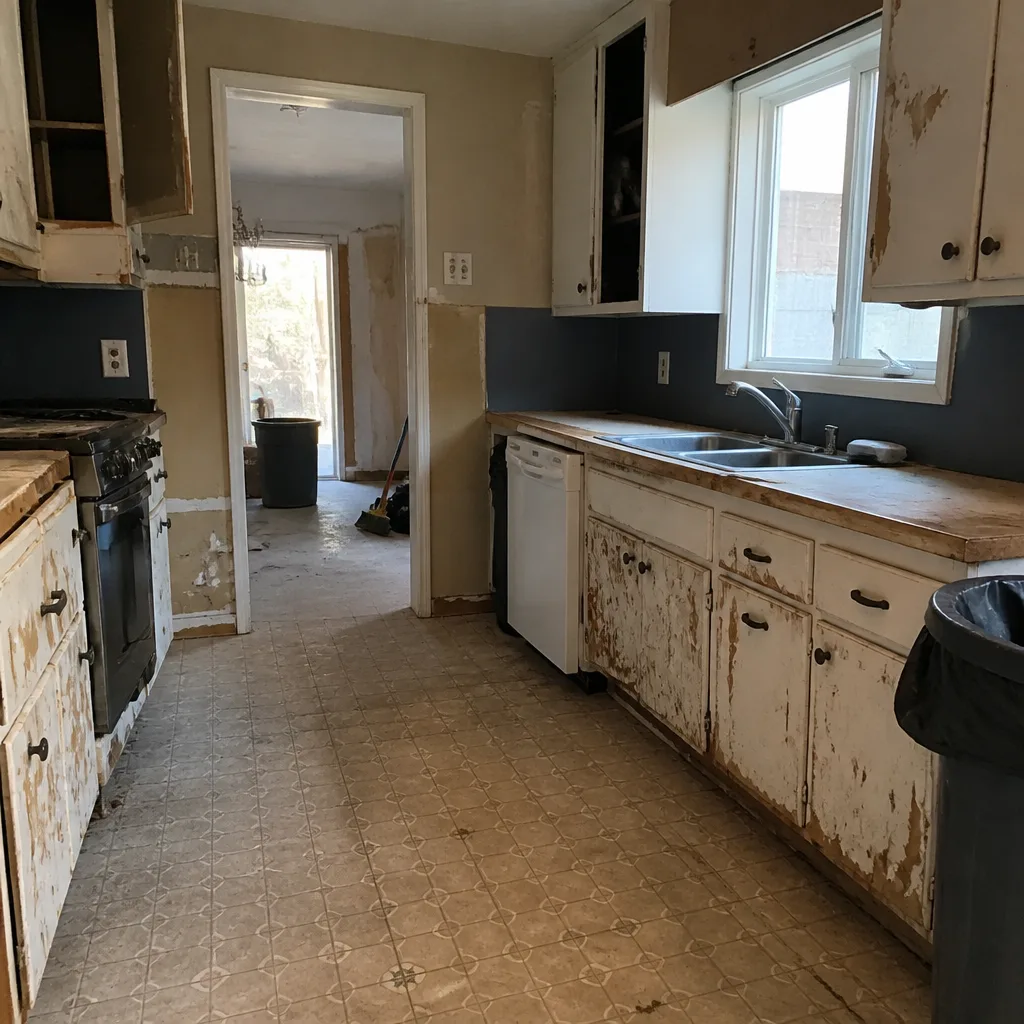 Before
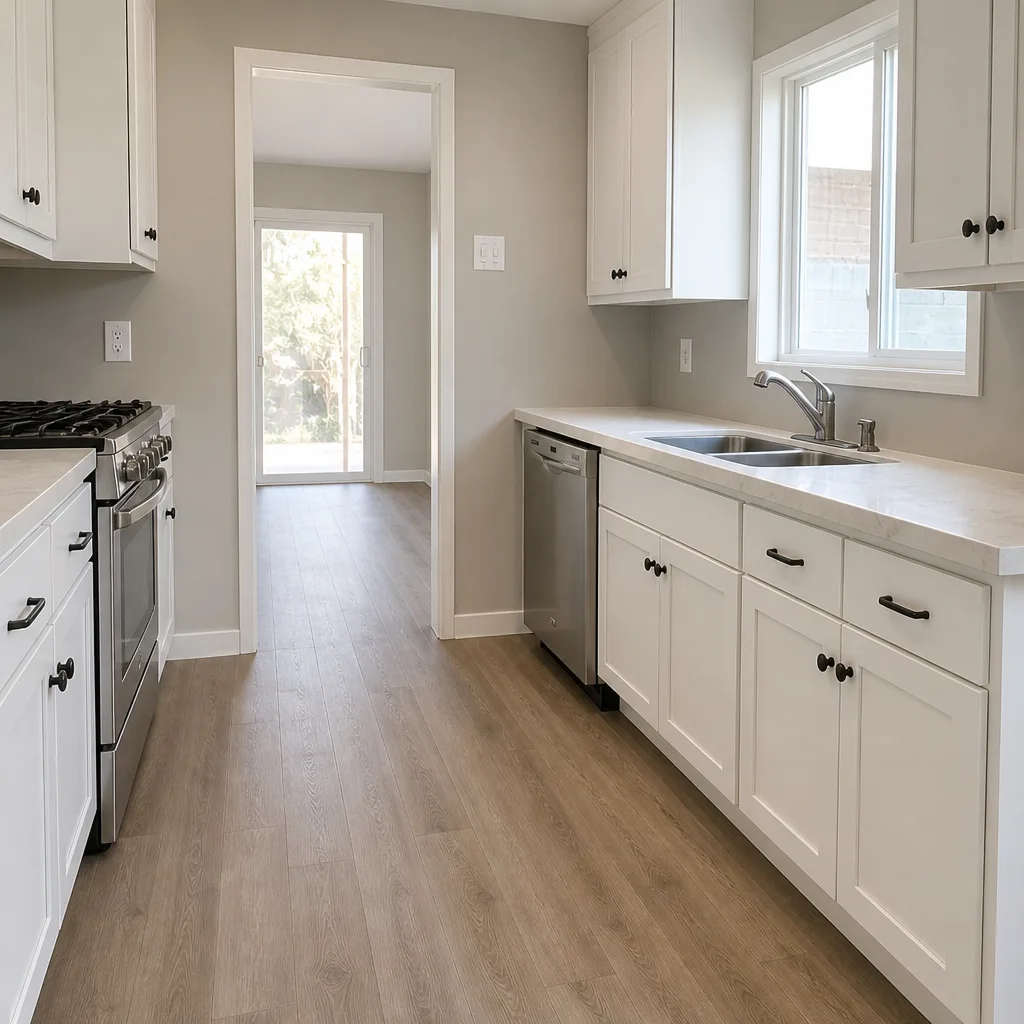 After
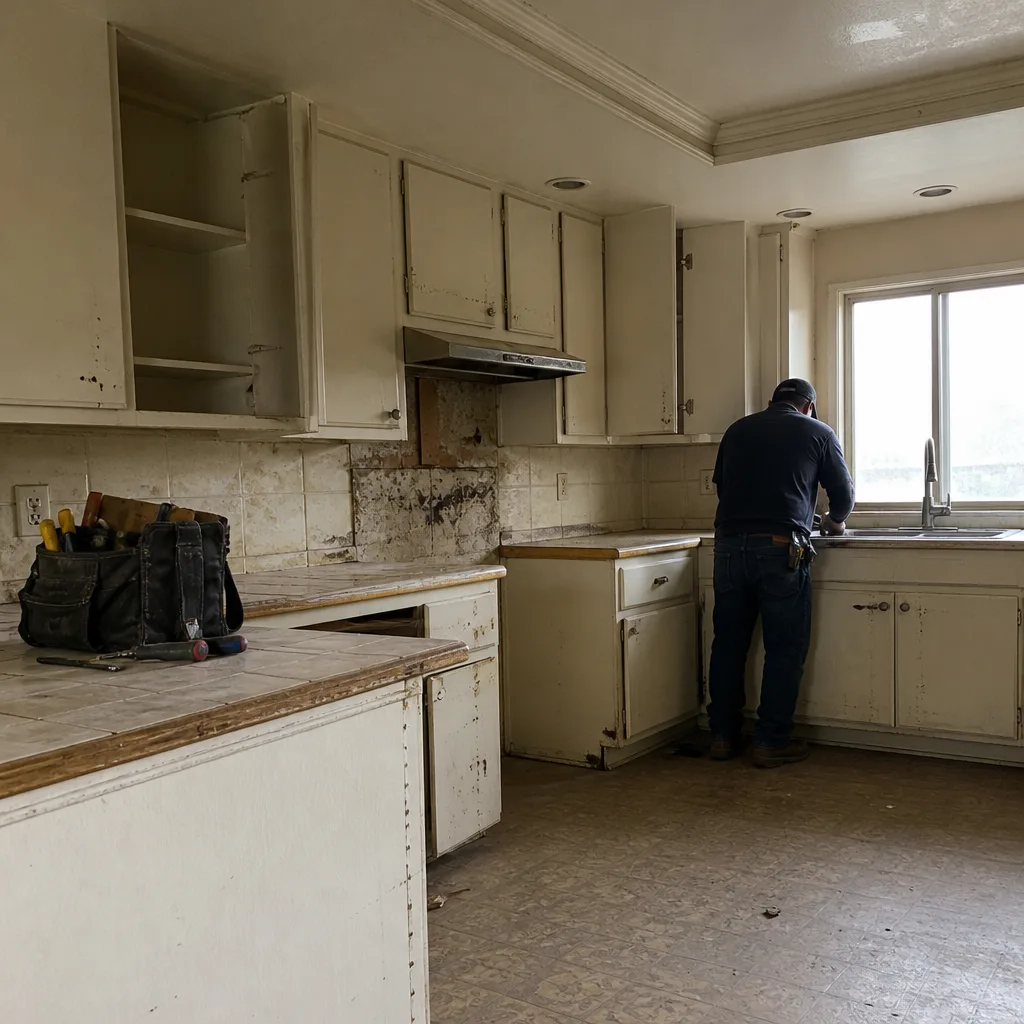 Before
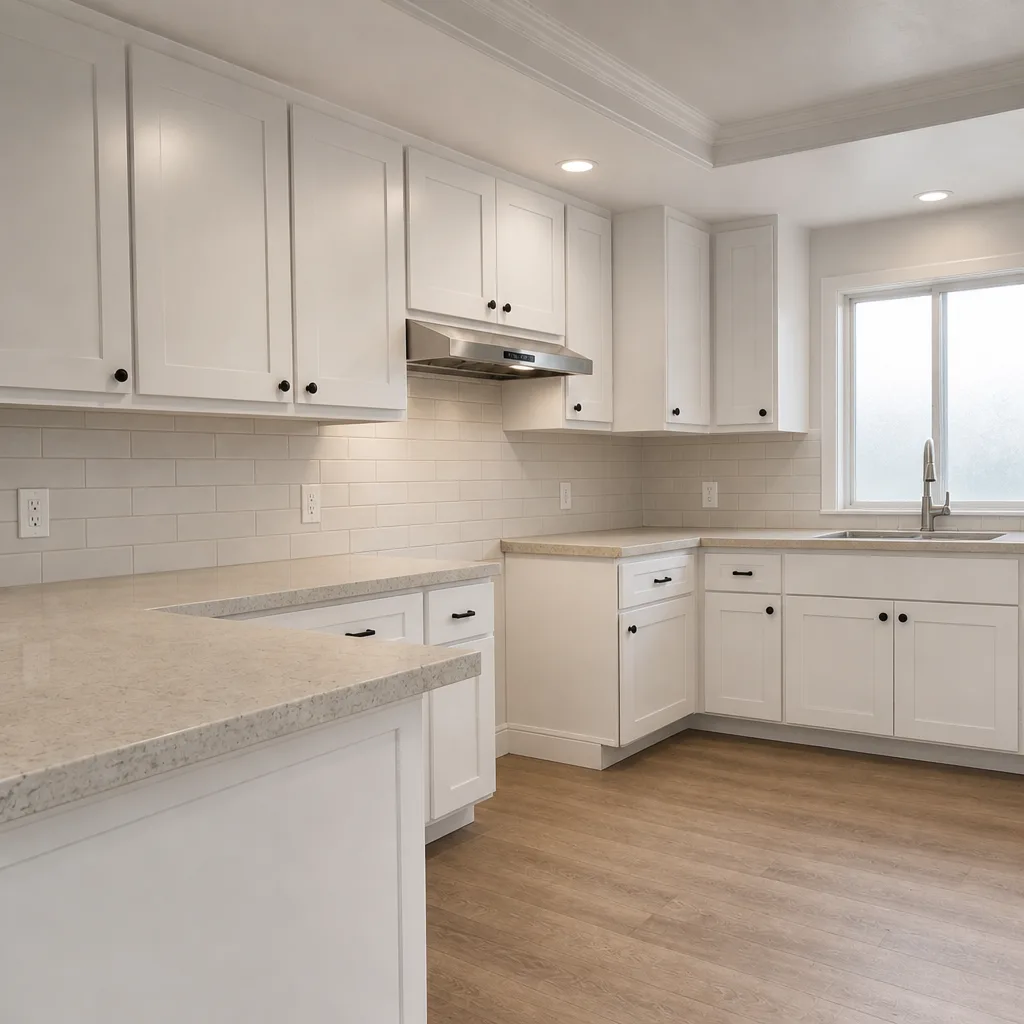 After
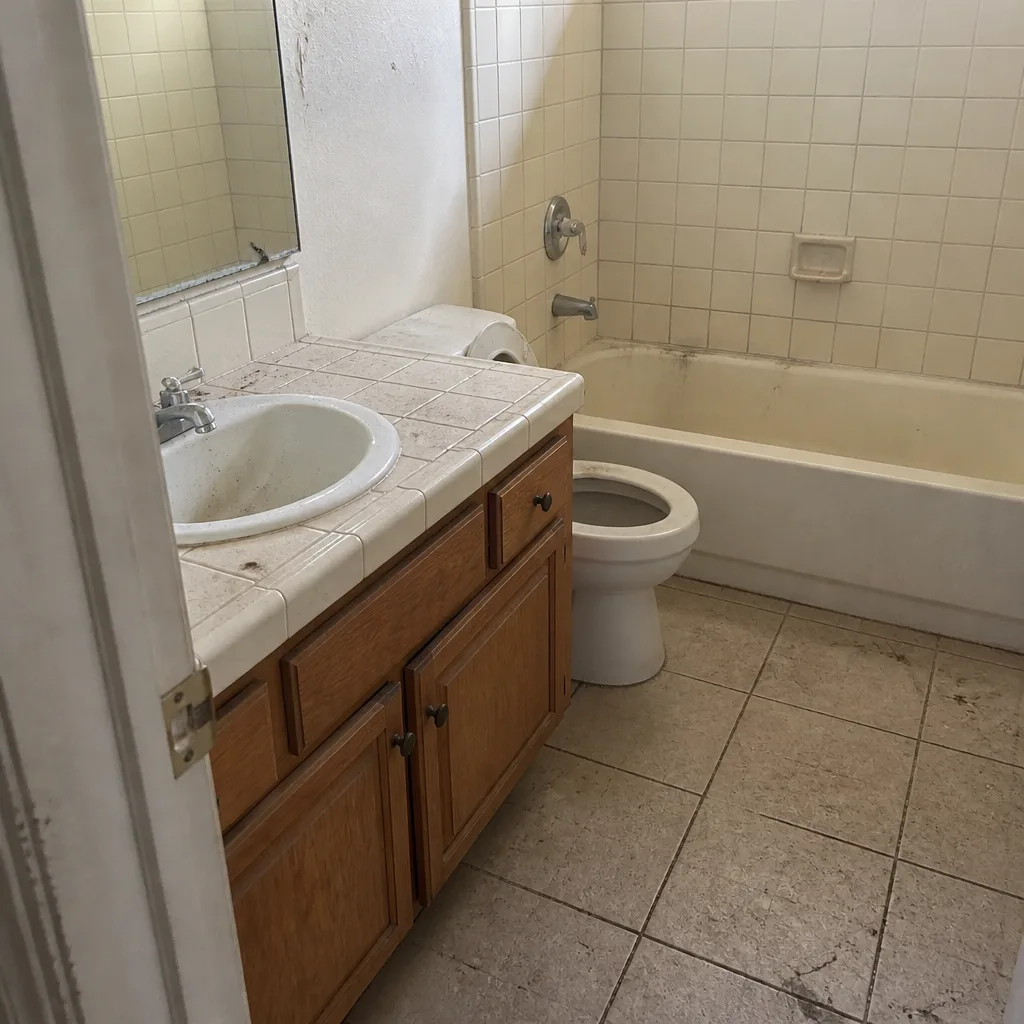 Before
 After
When to Call a Professional

Call a licensed professional the moment a project crosses any of these lines: structure, water, power, gas, or a permit. That includes any wall you aren’t sure about, any new electrical circuit, any change to plumbing or drainage, and every wet-room waterproofing job. Call when you’re on a timeline (a wedding, a move-in, a sale), when the project is high-visibility (a kitchen you’ll use every day), or when you’re not sure how to read the structural plan. That last one isn’t a weakness. It’s the exact question to ask a contractor before you start.
Penhallow Remodeling Irvine offers free estimates in Irvine. Our technicians have up to 22 years of experience, every technician is background-checked and arrives in uniform, and every project comes with a written price before any work starts. Our bathroom remodeling in Irvine team can pull the scope that fits your timeline. And when the split is right, we’ll tell you which pieces you can safely keep. Call (888) 704-4104 to schedule yours.
Frequently Asked Questions
Yes, a backsplash is one of the safest DIY tasks you can take on, and a cosmetic tile install on existing drywall in a kitchen typically doesn’t require a permit in Irvine. That said, a backsplash over a wet kitchen wall still benefits from a proper tile substrate. If it’s in a bathroom shower, that changes: the substrate and waterproofing matter more than the tile itself, and those are best left to a professional.
No. Removing a wall is never a DIY task, because whether it’s load-bearing is a structural question and cutting it wrong threatens the house. The work also requires a permit in Irvine, and the inspection process will look at how the load was transferred. If you want more open kitchen, ask a general contractor to scope it before you cut anything. Call (888) 704-4104 for a free estimate.
Replacing a faucet at the same location, using existing supply lines, typically doesn’t require a permit. Adding a new electrical outlet or a new circuit does, and so does moving a plumbing fixture to a new location. The dividing line is whether you’re swapping something in place or adding something new. When in doubt, ask before you start; an inspection is cheaper than undoing work. Call (888) 704-4104 for a quick scoping call.
The safest dollar savings come from doing your own demolition, painting, and landscaping around the finished project, while letting a contractor handle the structural, plumbing, electrical, and waterproofing work. That split is exactly what drops labor cost without touching the irreversible tasks. Get the split in writing so the guarantee stays intact on the contractor’s portion. Call (888) 704-4104 to price a split project.
A typical Irvine bathroom remodel takes 3 to 5 weeks when a contractor handles the structural and tile work. If you paint and handle demo, expect the project to stretch by about a week depending on your schedule, because the contractor’s sequence is built around the irreversible steps being done on time. Our techs will give you the arrival window in writing, and we don’t move it on you. Call (888) 704-4104 to scope your timeline.
Any work a contractor performed is covered by their written guarantee, and our 365-Day Done Right Promise covers the work we do for a full year. Work you performed yourself (paint, hardware, landscaping) isn’t covered by the contractor’s guarantee, because we didn’t install it. That’s exactly why the split scoping conversation matters before work starts. Call (888) 704-4104 to get a written scope of what we cover.
The Bottom Line
Skill level is the wrong question. Reversibility is the right one. If you can undo a mistake in an afternoon without opening a wall, take the job. If undoing it requires a permit, a licensed trade, or demolition, hand it off. Painting, hardware swaps, cabinet refacing, landscaping, and demo prep are yours. Structure, waterproofing, electrical, and anything touching a load-bearing wall are for a professional. Document the split in writing before anyone picks up a tool, understand which layer of the guarantee covers which part, and check your Irvine permit triggers on anything irreversible. Call Penhallow Remodeling Irvine at (888) 704-4104 for a free estimate on the parts that need a pro. Every project gets a written price before work starts.
Written by the team at Penhallow Remodeling Irvine.