
Last updated November 18, 2026








Free written scope consultation - allowances, timeline, and change-order rules on paper before a single trade is scheduled
General Contractor Maintenance Schedule: What to Do and When
Caulk around a new window or exterior threshold isn’t decorative. It’s a water barrier with an 18-to-24-month lifespan, and when it cracks, the moisture that gets behind it can cost ten times the original remodel in structural repairs. That’s the part nobody tells you when the crew packs up: a finished remodel isn’t maintenance-free. It has a care calendar, and skipping it can void manufacturer warranties faster than most homeowners realize. This guide walks through what to inspect, touch up, and test at 30 days, six months, and one year after a project closes in Irvine, plus how to log it all so a warranty claim two years from now actually holds up.
Quick Answer
After a remodel, plan three checkpoints: a 30-day walkthrough for drywall seams, paint, caulk lines, and hardware tightness before your contractor’s correction window closes; a six-month review of caulk, exterior trim, and any manufacturer-warranty components like windows or HVAC; and a one-year inspection of seasonal wear, foundation movement, and sun-exposed finishes. Document each one with dated photos and notes. In Irvine’s dry, sunny climate, exterior caulk and sun-facing trim degrade faster than in cooler regions, so those items deserve a closer look than a general checklist suggests.
Styles & brands we work with
- Kitchen remodeling
- Bathroom remodeling
- Home additions & ADU
- Roofing
- Windows & doors
- Driveway & pavers
- Fence
Table of Contents
- The 30-Day Post-Project Walkthrough
- Components With Manufacturer Warranties That Require Owner Maintenance
- The Six-Month Checkup
- Seasonal Inspection Points for Southern California’s Climate
- How to Log and Photograph Maintenance for Warranty Protection
- Homeowner Tasks vs. Licensed Contractor Tasks
- The One-Year Review
- Common Mistakes to Avoid
The 30-Day Post-Project Walkthrough
Most remodeling contracts include a correction window – a defined period after completion when the contractor returns to fix anything that settled, cracked, or didn’t finish clean. That window is often 30 to 90 days, and it’s the single most valuable maintenance appointment you’ll get. Miss it, and small fixes become your expense.
Walk the job in daylight with a notepad, a pencil, and your phone camera. Here’s what to look for:
- Drywall seams and corners. Run a hand along inside corners of new walls. Hairline cracks at seams are normal settling and get fixed for free during the correction window. Cracks wider than a credit card, or cracks that reappear after repair, are not normal and should be flagged.
- Paint touch-ups. Look for brush marks, lap lines, and spots where the finish looks thin over fresh drywall. Check the transition where new paint meets old at doorways.
- Caulk lines. Press a fingernail into the caulk around windows, thresholds, and wet-area joints. Fresh caulk should feel firm, not tacky. Any gap or pull-away gets re-caulked now, not later.
- Hardware tightness. Open and close every cabinet door, drawer, and door handle. Loose pulls and hinges after 30 days are routine and should be snugged during the walk.
- Tile and grout. Tap tile with a coin. A hollow sound over a newly set floor or shower can mean a void under the tile – worth documenting before the window closes.
- Doors and thresholds. Check that exterior doors latch without a shove. In Irvine’s heat, wood and composite door frames can shift slightly in the first month.
Write down every item, even the minor ones. A contractor working to a written guarantee – the kind that puts the correction window in writing before the job starts – will expect the list. If your project was a kitchen or bath remodel here in Irvine, this walkthrough also confirms the fixtures and finishes match what was specified. We treat the 30-day list as a real appointment, background-checked and uniformed, because getting the small items right is what makes the rest of the schedule manageable.
Components With Manufacturer Warranties That Require Owner Maintenance
Here’s the part that surprises homeowners: many of the products in a remodel carry long warranties – often lifetime on the cabinet finish, or 20 years on window glass – but those warranties are conditional. Read the fine print and you’ll find language like “ordinary care and maintenance” or “failure to perform required maintenance voids coverage.” Skip the maintenance, and the manufacturer can decline the claim even in year three.
The link between a written price and warranty validity runs through documentation. When you buy cabinetry from a line like KraftMaid or Wellborn, or countertops in Cambria or Silestone quartz, the brand warranty doesn’t disappear – but it’s your job to keep records that show you cared for the product. Quartz, for example, can be damaged by sitting hot pots straight off the stove, and a scorch mark usually falls outside the manufacturer’s coverage.
Components to watch closely:
- Windows. Most window warranties require that weep holes at the bottom of the frame stay clear and that caulk joints are maintained. A clogged weep hole in an Irvine wind-driven rain event is a common claim denial.
- Roofing underlayment. Even a partial reroof during an addition carries a warranty that assumes the roof is inspected annually. Debris buildup on a low-slope section traps moisture.
- HVAC. A replaced or relocated unit needs filter changes on the manufacturer’s schedule – typically every 30 to 90 days – and an annual professional service. Miss those and the compressor warranty is at risk.
- Exterior siding. James Hardie siding and similar products hold paint and finish for years, but the warranty expects joints and penetrations to be checked and caulked seasonally.
Keep every product manual and warranty card that comes with your project. Put them in one folder – paper or digital. If you ever file a claim, you’ll want the model number and the purchase record in one place.
The Six-Month Checkup
By six months, the settlement period is mostly over and the seasonal cycle has done its work. This is the checkup that catches the problems the 30-day walk couldn’t, because the building has now seen one full shift of temperature and humidity.
Start with the exterior envelope. In Irvine, the combination of strong sun on south- and west-facing walls and occasional winter rain means caulk at window and door perimeters, exterior trim joints, and threshold junctions takes the hardest hit. Inspect every caulk seam with a flashlight in the morning, when raking light shows gaps best. Cut out and re-caulk any seam that has shrunk, cracked, or pulled away. Use a paintable, exterior-grade sealant; interior caulk on an exterior joint is a wasted afternoon.
Move inside and check the items on this list:
- Cabinet hinges and drawer slides. Re-tighten screws that have worked loose. A little paraffin wax on wooden drawer glides quiets squeaks.
- Grout and sealant in wet areas. Grout in a shower floor and caulk at tile-to-tub joints should still be intact. A soft spot or discoloration in the caulk means it’s trapping water.
- Paint on exterior trim and fascia. Chalky or peeling paint on sun-facing boards is a warning. In Irvine’s climate, exterior trim can need touch-up paint sooner than inland cut-and-caulk schedules suggest.
- Doors and windows. Confirm they still latch, slide, and seal against the weatherstripping. Adjust or lubricate as needed.
- The hardware and finish you’re responsible for. If you installed a new Kohler or Moen fixture, check for drips at the supply and drain connections and follow the manufacturer’s care instructions for the finish.
Log what you find and photograph it. That six-month record becomes the foundation of every warranty claim you might file later.
Seasonal Inspection Points for Southern California’s Climate
Irvine sits in a warm, dry, sunny climate with thin rainfall concentrated in winter months. That climate shapes the maintenance calendar in ways a generic national checklist gets wrong. For example, a northern contractor’s advice to check the gutter twice a year assumes heavy leaf fall; in Irvine, sun damage to exterior finishes and stucco is the bigger recurring issue. And structural concerns are different too.
Watch these areas specifically:
- Stucco patching. Exterior stucco at assembly joints – where an addition meets the original house, or where a new window sits in an old wall – can develop hairline cracks as the two walls move at different rates. Small cracks get patched with stucco patch and repainted. Cracks that widen into a visible step or repeat in the same place deserve a professional look.
- Sun-exposed trim. South- and west-facing fascia and window trim take the most UV in Irvine. Check these first. Touch-up paint before the wood goes soft saves a rot repair later.
- Drought-stress foundation movement. When the soil dries and shrinks, foundations move. Watch for new cracks at ceiling corners, doors that stick in summer and free up in winter, and windows that bind seasonally. These can be cosmetic or a sign of a deeper issue; a structural engineer or licensed contractor can tell the difference.
- Rain-season water intrusion. Before the first winter rain, check that window weep holes, thresholds, and any exterior step-down drain away from the house. Pair a seasonal rain check with paver maintenance – sweep sand back into joints between pavers set from a line like Techo-Bloc or Cambridge, and check that setting beds haven’t washed out.
- Hardscape joints. Mortar or joint sand between pavers, and grout at step risers, dry and crack over the summer. Re-sand or re-point before rainy season, not after.
In our experience across Irvine projects, the two items that fail first are caulk on sun-facing joints and any dry joint in hardscape or tile. Address both before the first rain and you prevent most of the costly water issues.
How to Log and Photograph Maintenance for Warranty Protection
A warranty claim is only as strong as the record behind it. If a window manufacturer claims you didn’t maintain the frame, or a cabinet finish peels and you need to show the space was cared for, a dated photo log is your evidence. It takes minutes and it’s defensible.
- Create a project folder. Store every manual, warranty card, and product spec sheet in one place. Note the brand and model on each.
- Photograph each checkpoint. Take wide shots showing the room and close-ups of the item. Timestamp matters: use the phone’s metadata or write the date on a note in the frame.
- Write a short log entry. What you checked, what you found, what you did. “June 2026: re-caulked south window seam, logged.” Two sentences is enough.
- Keep receipts for maintenance supplies and any paid repairs. If a professional touched the item, the invoice is part of the record.
- Note the manufacturer maintenance schedule for each product. For a new HVAC unit or window line, copy the required maintenance intervals into your log.
Store the folder where you’ll find it in two years – a cloud folder or a labeled fireproof envelope. When you call a manufacturer about a finish failure, you’ll have a photo of the finish on day one and the day you filed. That contrast is the difference between a claim that gets approved and one that stalls.
Homeowner Tasks vs. Licensed Contractor Tasks
Some maintenance is yours to handle, and some of it requires a licensed contractor – not just for safety, but to preserve permit compliance. Doing structural, gas, or electrical work yourself after a remodel can void the warranty on the very work you’re protecting, and in some cases create a code violation that complicates a future sale.
Here’s the split we give Irvine homeowners:
- Handle yourself: caulking exterior joints, touch-up paint, tightening cabinet hardware, cleaning window weep holes, changing HVAC filters, replacing light bulbs, sweeping and re-sanding paver joints, and wiping down quartz countertops per the manufacturer’s care guide.
- Call a licensed professional: any repair to electrical wiring, plumbing repair inside a wall, gas appliance work, and anything that touches the structural system – wall removal, header work, foundation concerning cracks, or roof underlayment repair. Permits and inspections apply here, and putting non-permitted work over permitted work can cost you at resale.
A good rule: if the task requires opening a wall, altering a utility line, or changing the structure, it’s a licensed task. Caulk and paint – even on a brand-new window – are yours. This is where working with a general contractor in Irvine who provides a written scope and warranty helps, because the scope tells you exactly what you’re responsible for and what’s covered.
The One-Year Review
At the one-year mark, you’ve seen a full seasonal cycle, and the building has revealed which of its components need regular attention. This is the point to look at the whole job, not just single items.
Re-check the exterior caulk and any paint used at assembly joints. Walk the roof edges and fascia where sun and rain meet. Look at the interior for any new cracks at ceiling corners or door frames. Then review your log against the list of warranted items: if a window is binding, a cabinet finish is failing, or a fixture drips, the one-year review is the right time to file – most manufacturer warranties have time windows for cosmetic claims, and filing before the deadline is easier than arguing afterward.
This is also the year to consider a professional inspection of the foundation and the moisture envelope if you live in an older Irvine neighborhood where soil movement is more pronounced. Several of our projects in established parts of Irvine have picked up small issues at the one-year point that were caught before they became structural. A one-year professional review is inexpensive compared with a repair.
If your project included a whole-home remodel, treat the one-year review as a full building walk-through. For kitchen and bathroom remodel work specifically, check the items that see the most water and heat – shower surrounds, counter edges, and the supply connections under sinks. If a fitting or finish fails inside the guarantee period of a kitchen remodeling in Irvine project, the written guarantee is what gets it fixed without a fee.
Common Mistakes to Avoid
- Skipping the 30-day walkthrough. Many homeowners assume a contractor will notice and fix small defects. They won’t unless you list them, and the correction window closes quietly. Schedule it the day the crew leaves.
- Using interior caulk outside. In Irvine’s sun, interior grade caulk on an exterior joint cracks within a season. Use exterior grade every time.
- Discarding the warranty packet. Cabinetry, windows, and countertops each carry their own paperwork with specific maintenance requirements. If you toss the box and the packet, you lose the claim record.
- Letting sun-facing trim go soft. Touch-up paint on a south-facing fascia is a five-minute job. Left until the wood rots, it’s a repair. In our experience, this is the single most common preventable failure in Irvine homes.
- Doing permitted work yourself then filing a claim. DIY electrical or structural repair can void the product warranty and complicate permit compliance. Use a licensed contractor for those.
- No photo record. A claim filed two years later with no dated photos is a hard case to win, even when you’re right. Photograph every checkpoint.
- Ignoring seasonal foundation movement. A door that sticks only in summer is easy to shrug off. Track it – if it’s a new symptom, get it looked at before it becomes a structural repair.
See the difference
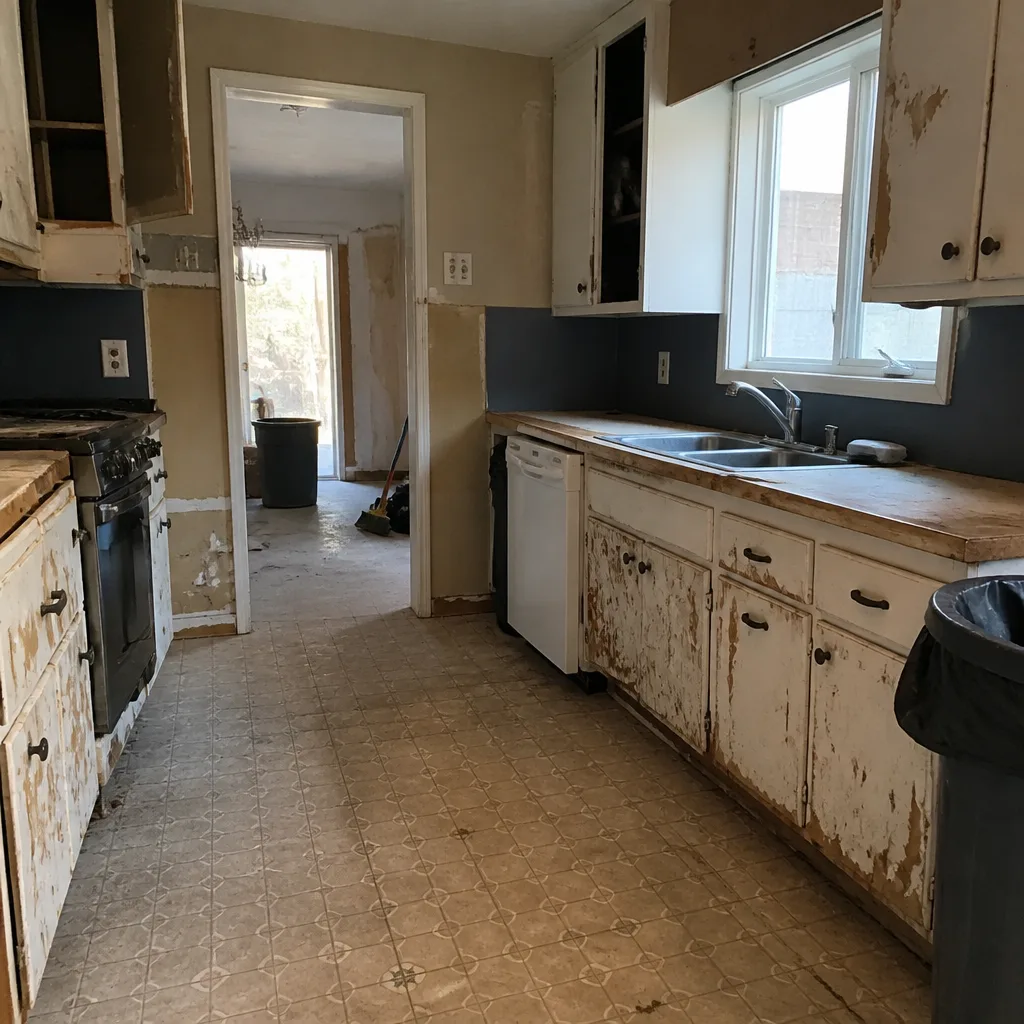 Before
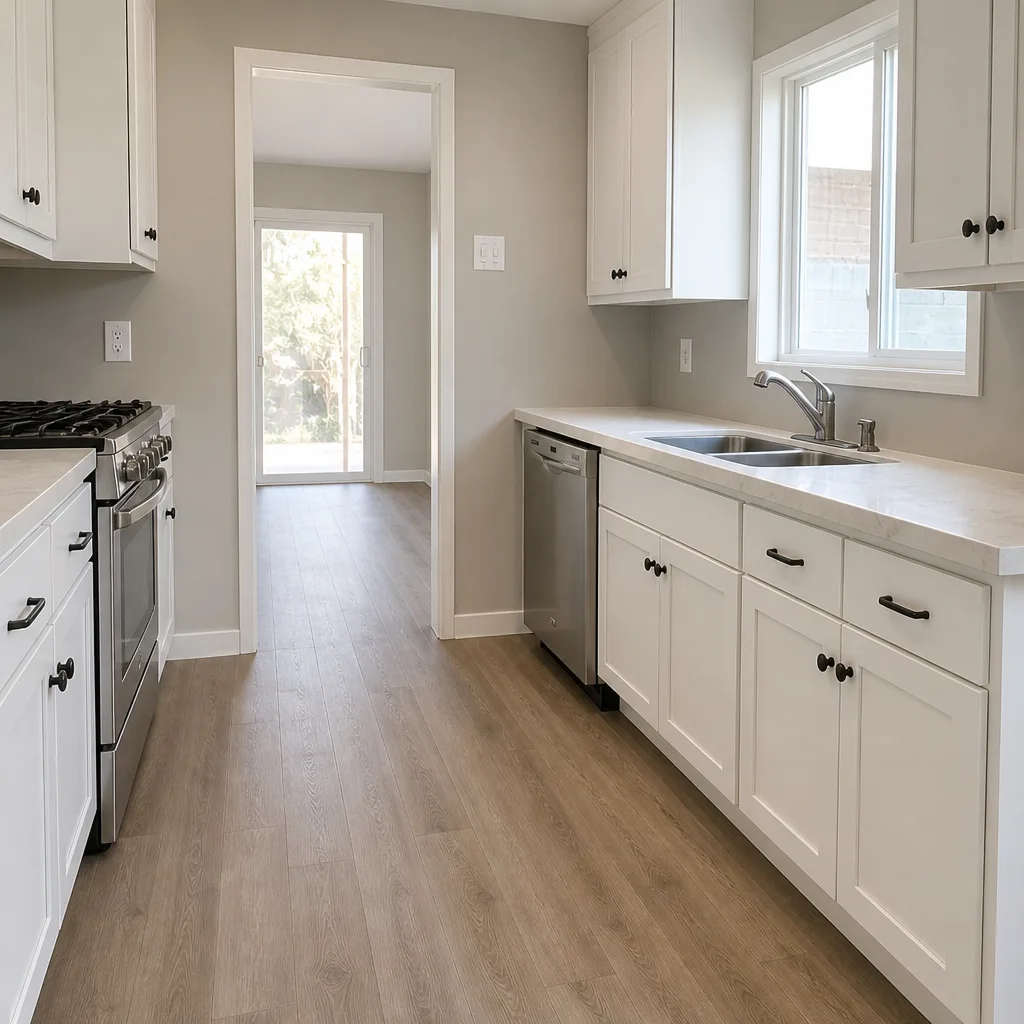 After
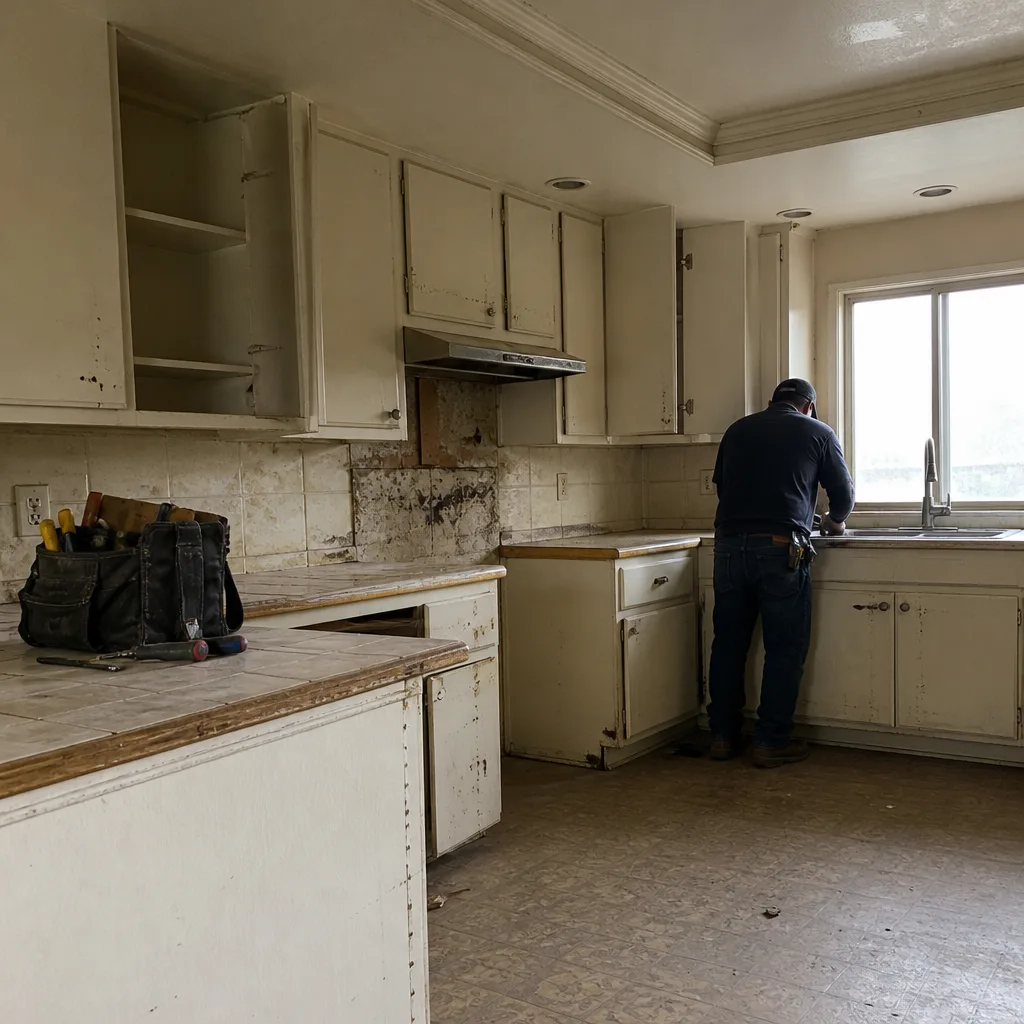 Before
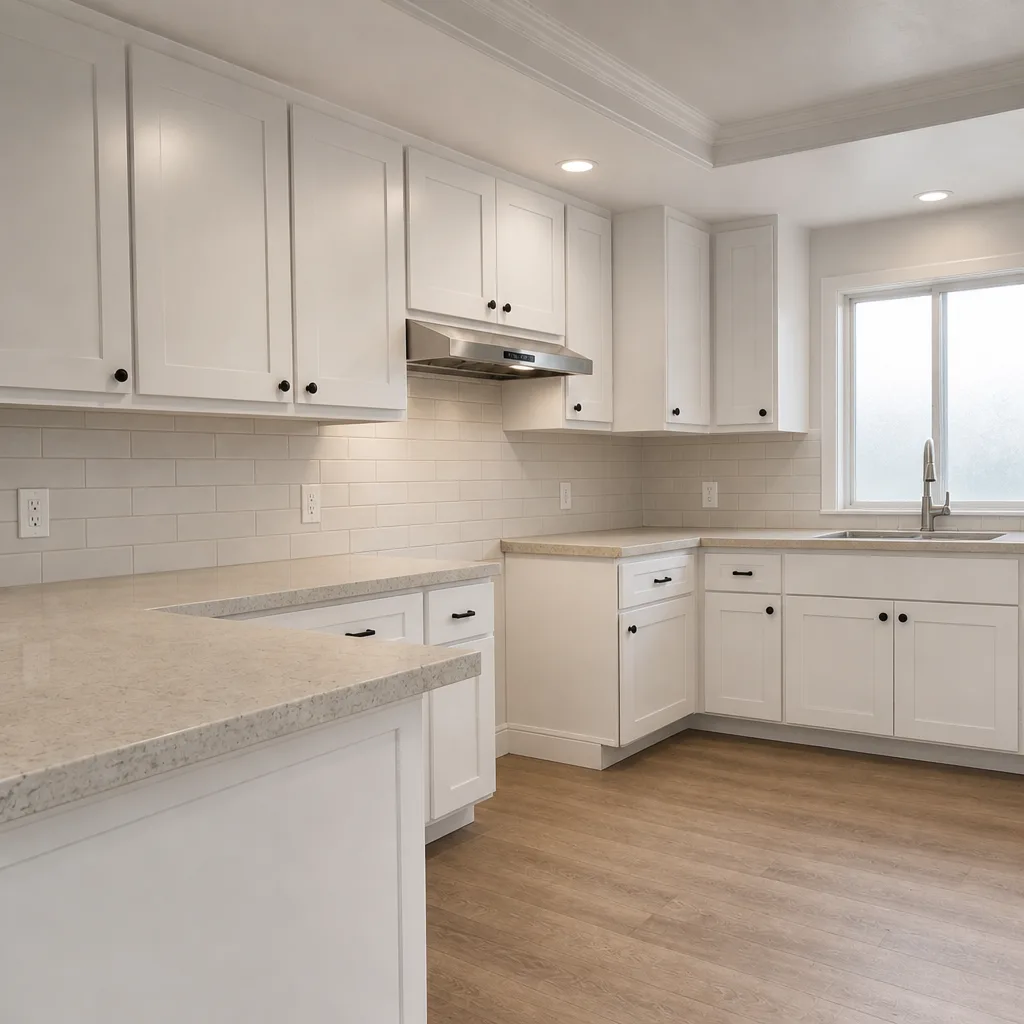 After
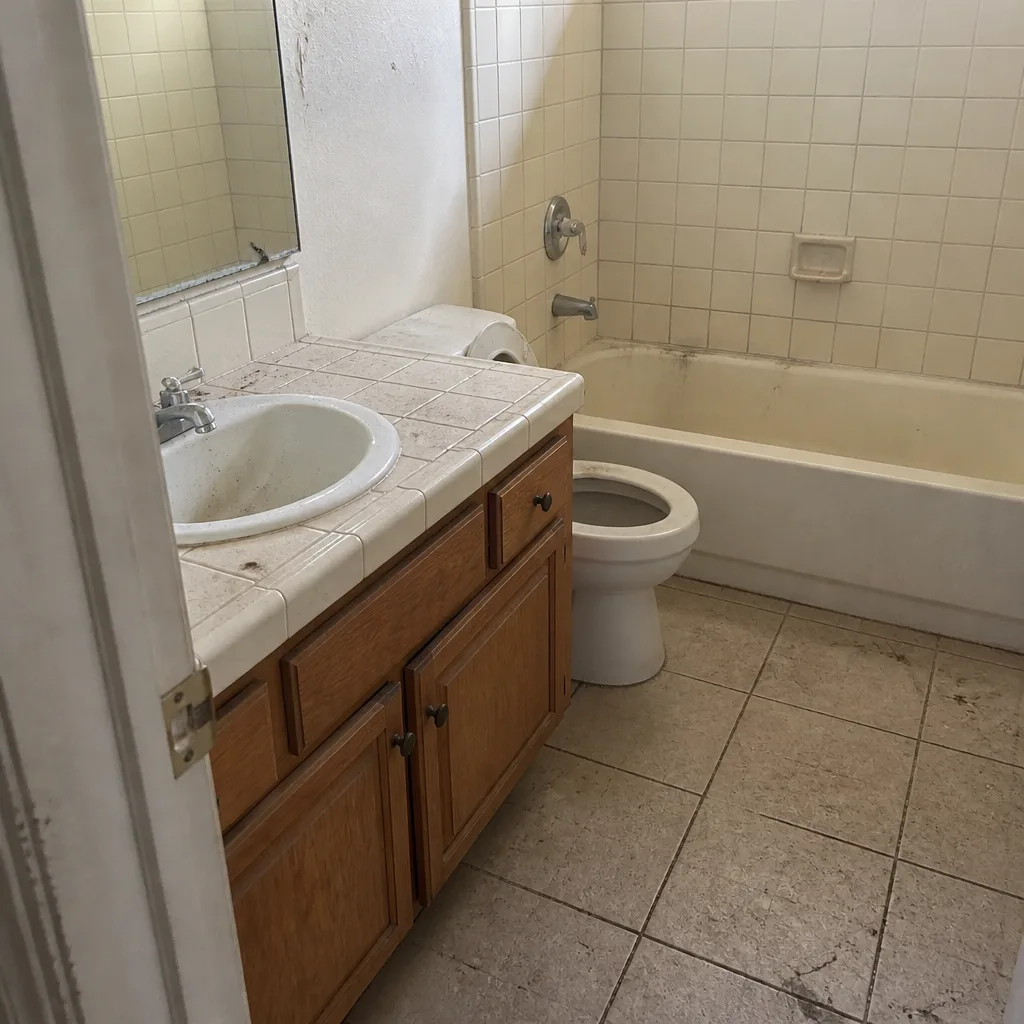 Before
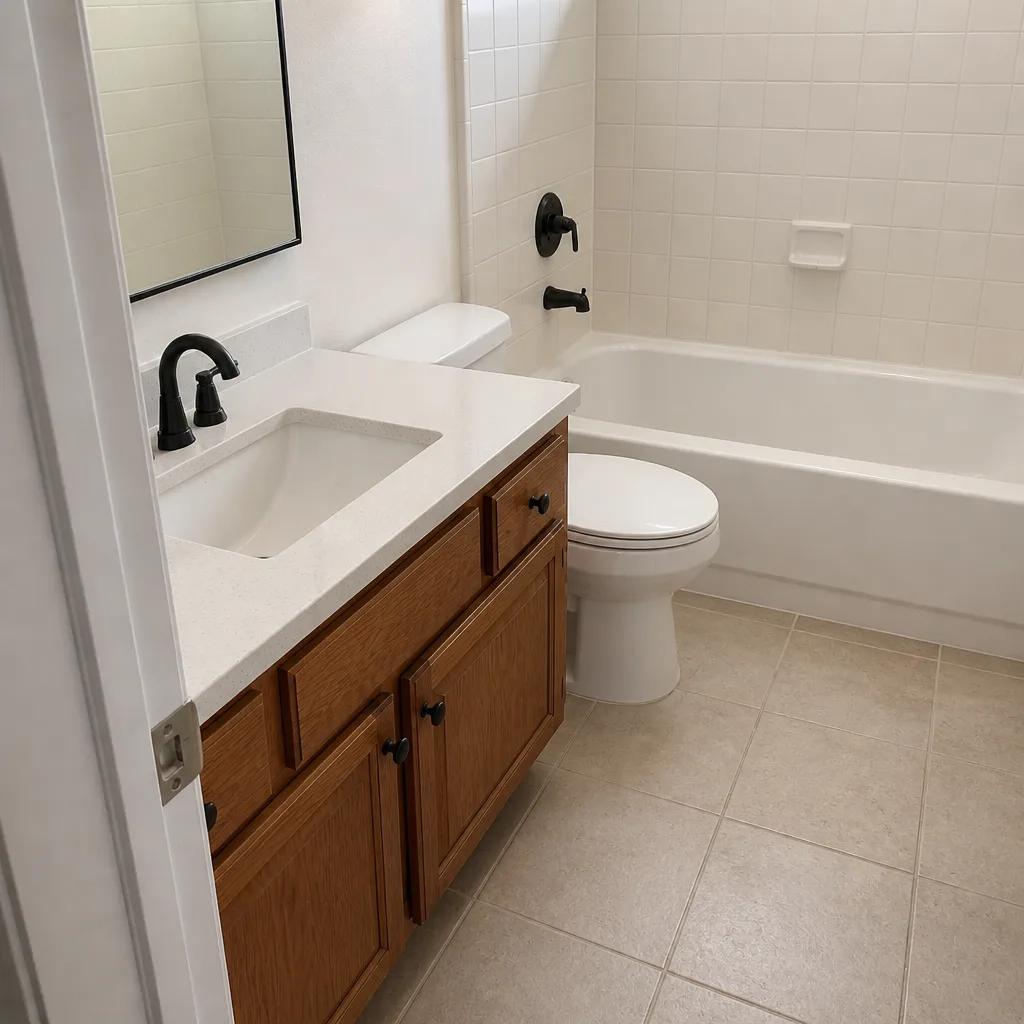 After
When to Call a Professional
Call a licensed professional when maintenance becomes repair – when a crack widens, a window binds seasonally, a fixture leaks inside a wall, or exterior stucco cracks repeat in the same spot. Also call if a manufacturer’s warranty requires a professional service you can’t perform, like an annual HVAC inspection, and if any item covered by a written guarantee fails within its term. A professional can tell you whether the next step is a warranty claim or a repair, and doing that early saves money.
Penhallow Remodeling Irvine offers free estimates in Irvine – call (888) 704-4104 to schedule yours. We’ll walk the project with you, review your maintenance log, and tell you plainly what’s routine care and what needs attention.
Frequently Asked Questions

Thirty days after completion, and ideally before your contractor’s correction window closes. At that point, drywall seams, paint, caulk lines, and hardware have had time to settle, so you can catch real defects and get them fixed under the correction agreement. Walk the job in daylight and write down every item, even the small ones.
Yes. Irvine’s warm, dry, sunny climate with concentrated winter rain means exterior caulk and sun-facing trim on the south and west walls degrade faster than in cooler regions, and stucco cracks at assembly joints appear sooner. Before the first winter rain, check that window weep holes and thresholds drain away from the house. Those two items, caulk and drainage, prevent most water damage.
With Penhallow, no. Every homeowner gets a written price before any work starts, so the number on day one is the number on the invoice. We treat that as a standing commitment: no verbal estimates that change at the door, no surprise line items after demo. If a hidden condition turns up that genuinely requires a new scope, you approve it in writing before we touch it.
For work that requires a permit, yes – permits are part of the project scope, and we handle pulling and inspection. Small maintenance tasks like caulking and paint touch-up don’t need permits, but structural, electrical, and plumbing repairs inside walls do. Keeping that work licensed and permitted is what protects both the warranty and your home’s records at resale.
Every project carries a written guarantee, and the 365-Day Done Right Promise backs it up: if the work fails inside the guarantee period, we come back and fix it at no charge. If a repair fails, we return for a free second visit – no service call, no re-inspection fee. The written terms spell out what’s covered and what isn’t, and you keep a copy from day one.
Most of it is a few hours spread across the year: a 30-day walkthrough, a six-month caulk and exterior check, and a one-year review. The bigger items – HVAC service, foundation inspection – take a scheduled visit. Logging each checkpoint in a photo folder takes minutes, and it’s what makes a warranty claim defensible. If something looks wrong, call us at (888) 704-4104; estimates are free.
The Bottom Line
A remodel isn’t the end of a project – it’s the start of a care calendar. Do the 30-day walkthrough while the correction window is open. At six months, re-seal exterior joints and check any manufacturer-warranty components. At one year, review the whole job and file any claims before their deadlines. In Irvine’s climate, sun-facing caulk and trim fail first, so inspect them twice a year and photograph everything. That log is what makes a warranty claim hold up two years later. And when a task needs a licensed contractor, call Penhallow Remodeling Irvine at (888) 704-4104 for a free estimate.
Planning a larger project? Compare our bathroom remodeling in Irvine service to see how a written price and a written guarantee change a remodel.
Written by the team at Penhallow Remodeling Irvine.