Last updated November 18, 2026



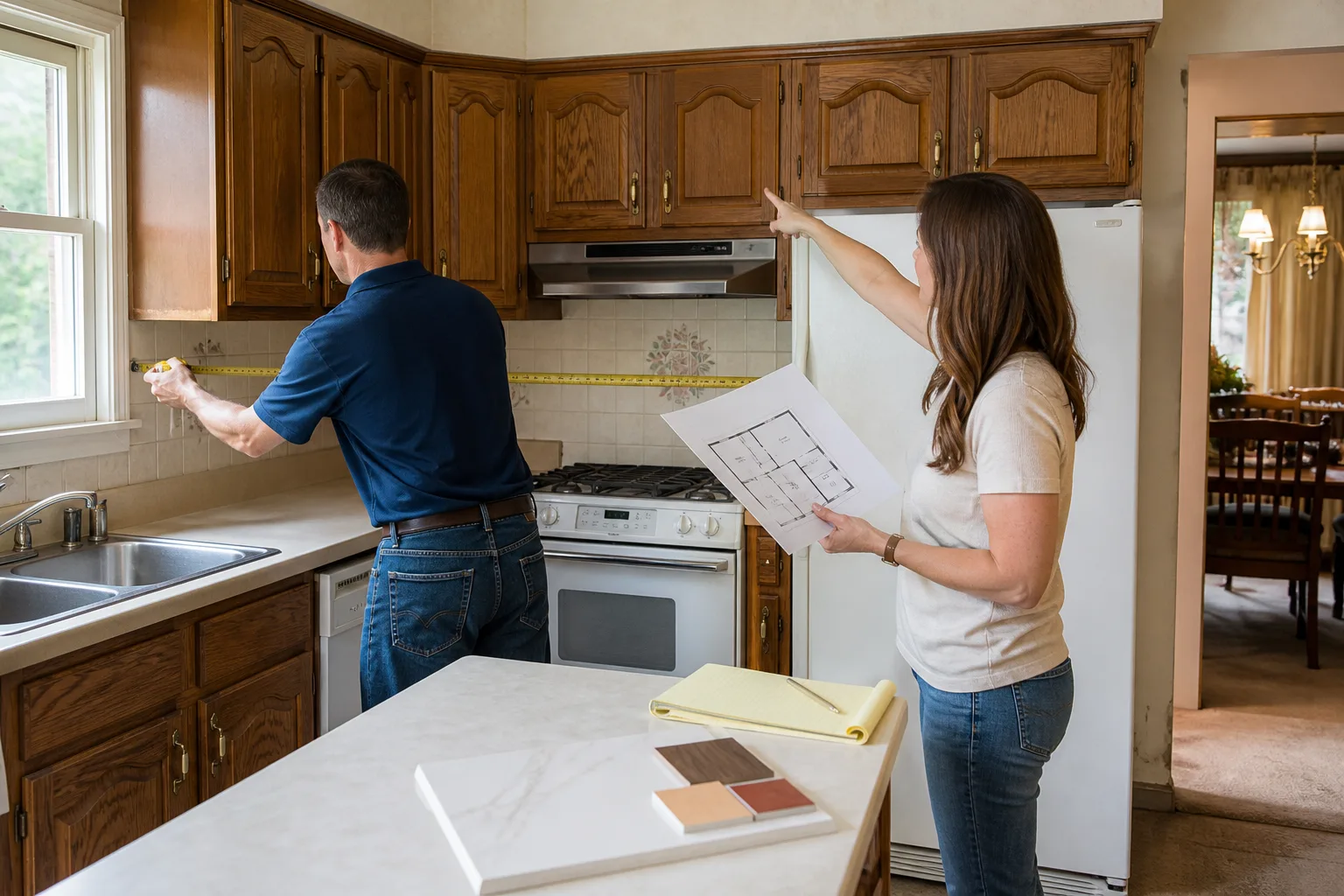
Free written scope consultation - allowances, timeline, and change-order rules on paper before a single trade is scheduled
The Complete Home Remodeling Guide for Irvine Homeowners
Irvine has 38 villages, and most of them have an active HOA architectural committee that reviews exterior changes before the City of Irvine ever sees a permit application. That single fact reshapes how a remodel should be planned here. The City of Irvine runs its own permit office independent of county systems, and a project that clears permitting in two weeks in a neighboring Orange County city can stretch to six in Irvine when the HOA and city reviews are sequenced wrong. This guide walks through Irvine’s actual approval landscape: what needs a city permit, what needs HOA sign-off, which projects need both in a fixed order, how to budget with written prices across a multi-room job, and how to keep a whole-home remodel on schedule once walls come down.
Quick Answer
In Irvine, a home remodel succeeds or stalls based on approval sequencing, not construction skill. Interior work that touches plumbing, electrical, or structural elements needs a City of Irvine permit; exterior changes and many visible alterations also need HOA architectural approval first, before the city application is submitted. Budget with a written fixed price and a realistic contingency, expect the approval phase to run several weeks to a few months depending on village and scope, and never order materials until both approvals are in hand.
Styles & brands we work with
- Kitchen remodeling
- Bathroom remodeling
- Home additions & ADU
- Roofing
- Windows & doors
- Driveway & pavers
- Fence
Table of Contents
- Irvine Permit Jurisdiction: City vs. HOA
- HOA Architectural Review: Timelines and Triggers
- Whole-Home Remodel Sequencing: Rough Work Before Closed Walls
- Written-Price Budgeting Across a Multi-Room Remodel
- Project Management During a Large Remodel
- What Irvine Tract Homes Hide Behind the Drywall
- What Your Written Guarantee Should Cover
- Common Mistakes to Avoid
Irvine Permit Jurisdiction: City vs. HOA
The most common expensive mistake in Irvine remodeling is assuming the city is the only authority. It isn’t. Two separate approval tracks run in parallel, and they don’t talk to each other.
City of Irvine permits cover:
- Any work on plumbing supply or drain lines, including moving a sink, toilet, or shower
- Electrical work beyond swapping a fixture: new circuits, panel changes, added outlets in new locations
- Mechanical work: new HVAC runs, relocated ductwork, range hood venting changes
- Structural changes: removing or modifying a load-bearing wall, new beams, added openings
- Additions, square footage changes, and anything affecting the building envelope
HOA architectural approval covers:
- Exterior paint color changes and front door replacements
- Roofing material or color changes
- Window and sliding door replacements visible from the street
- Patio covers, pergolas, hardscape, fencing, and landscaping changes
- Any addition or exterior modification visible from common areas
Some projects need both, and the order matters: HOA approval first, then the city permit application. Submitting to the city before the HOA has signed off on a project with any exterior component can mean revising plans after the city has already reviewed them, which restarts the clock. For a full picture of what a licensed contractor handles across these tracks, see our page on general contractor services in Irvine.
HOA Architectural Review: Timelines and Triggers
HOA review timelines vary by village and by the size of the architectural committee’s meeting calendar. Some villages review applications monthly; others meet quarterly. A conservative planning window for Irvine HOA architectural review is four to eight weeks, and a quarterly-meeting village can push that longer if your application lands just after a meeting.
What triggers automatic denial or a re-review:
- Paint colors outside the village’s approved palette (this is the single most common denial)
- Materials that differ from the neighborhood’s established look, even if the material is higher quality
- Incomplete submissions: missing site plan, missing product spec sheets, missing color samples
- Work started before approval, which some HOAs treat as a violation regardless of whether the work would have been approved
How to submit correctly the first time:
- Pull the village’s architectural guidelines before you choose anything. The approved color palette and material list usually exist as a document the HOA will provide on request.
- Submit a site plan showing where the change sits on the lot, not just a product brochure.
- Include manufacturer spec sheets and physical color samples where the guidelines ask for them.
- Get written confirmation of receipt and the expected review date. A verbal “we’ll look at it” is not a timeline.
- Keep the approval letter. City inspectors and future buyers may both ask for it.
We’ve watched Irvine homeowners lose six weeks to a paint color that was one shade off the approved palette. The fix is cheap; the delay isn’t.
Whole-Home Remodel Sequencing: Rough Work Before Closed Walls
In a whole-home remodel, the sequence is not a style preference. It’s code and inspection logic. Mechanical, electrical, and plumbing rough work has to be installed, inspected, and signed off before any wall gets closed up. Skip that order and you’re opening finished walls later at your own cost.
The rough-in sequence in a typical Irvine whole-home renovation:
- Demolition and structural work. Load-bearing changes, new openings, and beam installation happen first, with structural inspection scheduled before framing is covered.
- Mechanical rough-in. HVAC ductwork, new returns, and venting are run and inspected.
- Electrical rough-in. New circuits, panel work, and outlet locations are wired and inspected.
- Plumbing rough-in. Supply and drain lines are run, pressure-tested, and inspected.
- Framing and insulation inspection. Often combined with the above depending on the jurisdiction, but confirmed with the city before walls close.
- Drywall and finish work. Only after every rough inspection passes.
The coordination problem is real: three separate trades, three separate inspection sign-offs, and a city inspector’s calendar that doesn’t wait. On a multi-trade job, the contractor’s job is to sequence the inspections so trades aren’t tripping over each other in the same walls. That’s part of what separates a managed remodel from a series of independent subcontractors working in the same house.
Written-Price Budgeting Across a Multi-Room Remodel
A verbal estimate across a whole-home remodel is a guess dressed up as a number. The reason isn’t dishonesty, it’s that the scope is genuinely unknown until walls open, and a contractor who quotes confidently before demo is either padding the number or planning to change it. The honest approach is a written fixed price for the defined scope, plus clearly stated allowances for the items that can’t be fixed until selections are made.
Typical Irvine remodel ranges (real numbers, not “prices vary”):
- Kitchen remodel, mid-range finishes: $28,000 – $65,000 depending on layout changes, cabinet line, and countertop material
- Bathroom remodel, single full bath: $14,000 – $32,000 depending on tile scope, fixture tier, and whether plumbing relocates
- Whole-home remodel across 1,800 – 2,600 sq ft: $110,000 – $280,000, driven mostly by how much plumbing and electrical moves
How to structure the budget:
- Ask for line-item pricing, not a lump sum. You should be able to see what cabinets cost separately from what labor costs.
- Allowances should be stated with a dollar figure and a selection deadline, not left open. An “allowance to be determined” is how a price balloons after demo.
- Contingency for Irvine tract homes: budget 10 – 15% on homes built before the mid-1990s and 8 – 10% on newer construction. Older Irvine tracts regularly hide cast-iron drain sections, aluminum branch wiring, and undersized subfloor that only shows up after demo.
- A legitimate fixed-price contract names the scope, the material brands and lines, the allowance amounts, the payment schedule tied to milestones, and the change-order process. It should be signed before materials are ordered.
Countertop and cabinetry lines matter to the budget because they carry their own warranty layers behind the workmanship. We install Cambria quartz and Wellborn cabinetry, and those manufacturers back their products alongside our own guarantee, which gives a homeowner a chain of protection rather than a single point of failure.
Project Management During a Large Remodel
Once work begins, the question shifts from “what does it cost” to “how do I know it’s on track.” A homeowner on a whole-home remodel is entitled to a few basic things as a matter of course, not as a favor.
What you should expect to know at every stage:
- Milestone status. Which phase is complete, which is in progress, and which is next. Weekly is a reasonable cadence on a multi-room job.
- Subcontractor scheduling. Which trades are coming, on what day, and whether an inspection is scheduled before walls close. You should never learn that drywall went up before the electrical inspection from a neighbor.
- Change-order discipline. Any change to scope should come in writing, with a price, before the work is done, not as a line on the final invoice.
- Inspection results. A passed inspection is a fact you should have in hand, with the date and the trade named.
- Job site condition. A managed job leaves the site clean at the end of each day and protects the parts of the house not under construction. In an occupied Irvine home, that’s not a courtesy, it’s part of the work.
We’ve found that most homeowner anxiety on a large job traces back to silence rather than to a problem. A contractor who tells you about a delay on Tuesday is more trustworthy than one who’s cheerful until the final invoice. For a closer look at how kitchen-specific scheduling works, our kitchen remodeling in Irvine page covers the phase-by-phase sequence.
What Irvine Tract Homes Hide Behind the Drywall
Irvine’s tract housing stock spans several decades of construction, and each era carries its own predictable surprises. Knowing which era you’re in helps you budget and schedule honestly.
- Older tracts (1960s – 1970s): Cast-iron drain lines nearing the end of their service life, undersized electrical service, and subfloor that’s often salvageable but needs inspection before tile goes down.
- Mid-era tracts (1980s – 1990s): Polybutylene plumbing in some builds (worth identifying early), aluminum branch wiring circuits in certain developments, and original insulation that has settled enough to matter.
- Newer tracts (2000s forward): Better mechanical systems but tighter framing tolerances and thinner drywall, which changes how cabinet blocking and tile substrate are handled. A cement board substrate (the moisture-resistant layer behind your tile) is standard on wet walls; we’ve pulled plenty of Irvine showers where the original install skipped it and the drywall behind was soft within a few years.
None of these are deal-breakers. They’re simply the reason a written price with a stated contingency beats a low bid that assumes everything behind the wall is perfect.
What Your Written Guarantee Should Cover
A guarantee that covers workmanship but not the trade-specific installation details is a partial guarantee. On a whole-home remodel, you want it to cover each trade that touched your house.
What a strong written guarantee includes:
- Workmanship for all trades. Tile setting, plumbing connections, electrical terminations, cabinet installation, and finish carpentry should each be named, not lumped into a single vague “our work.”
- A defined term. A 365-day window from substantial completion is the standard we hold ourselves to, and it should appear in writing on the project.
- A defined remedy. If something fails inside the window, the contractor returns and fixes it at no charge. A free return visit with no service call fee is the baseline, not a premium.
- The manufacturer layer alongside it. Cabinetry from a recognized line, quartz from Cambria or Silestone, and fixtures from established brands carry their own warranties that sit behind the workmanship guarantee.
- The name of who’s responsible. The guarantee should be issued by the company, traceable, and given to you at project close, not promised verbally at the bid.
Our version of this is the 365-Day Done Right Promise: if the work fails inside the guarantee period, we come back and fix it at no charge, and it’s documented in writing on every project. For a bathroom-specific view of how that plays out across tile, waterproofing, and fixtures, see our bathroom remodeling in Irvine page.
Common Mistakes to Avoid
- Submitting to the city before the HOA approves. On any project with an exterior component, that order guarantees a re-review. HOA first, city second, every time.
- Choosing paint or roofing colors outside the village palette. It’s the most common Irvine denial, and it costs weeks rather than dollars. Pull the guidelines before you shop.
- Accepting a verbal estimate on a multi-room job. A range that lives in someone’s memory isn’t a price. Get it in writing, line by line, before materials are ordered.
- Setting allowances without dollar figures or deadlines. An open allowance is a price increase waiting to happen. Ask for a specific number and a selection date.
- Budgeting zero contingency on an older Irvine tract home. Pre-1990 construction reliably reveals one or two items after demo. The 10 – 15% isn’t pessimism, it’s planning.
- Closing walls before all rough inspections pass. If drywall goes up before the electrical and plumbing sign-offs, you’re paying to open it again. Confirm the inspection dates in writing.
- Skipping the written guarantee at close. A handshake at the end of a job is not a guarantee. Ask for the document, read the trade list, and keep it.
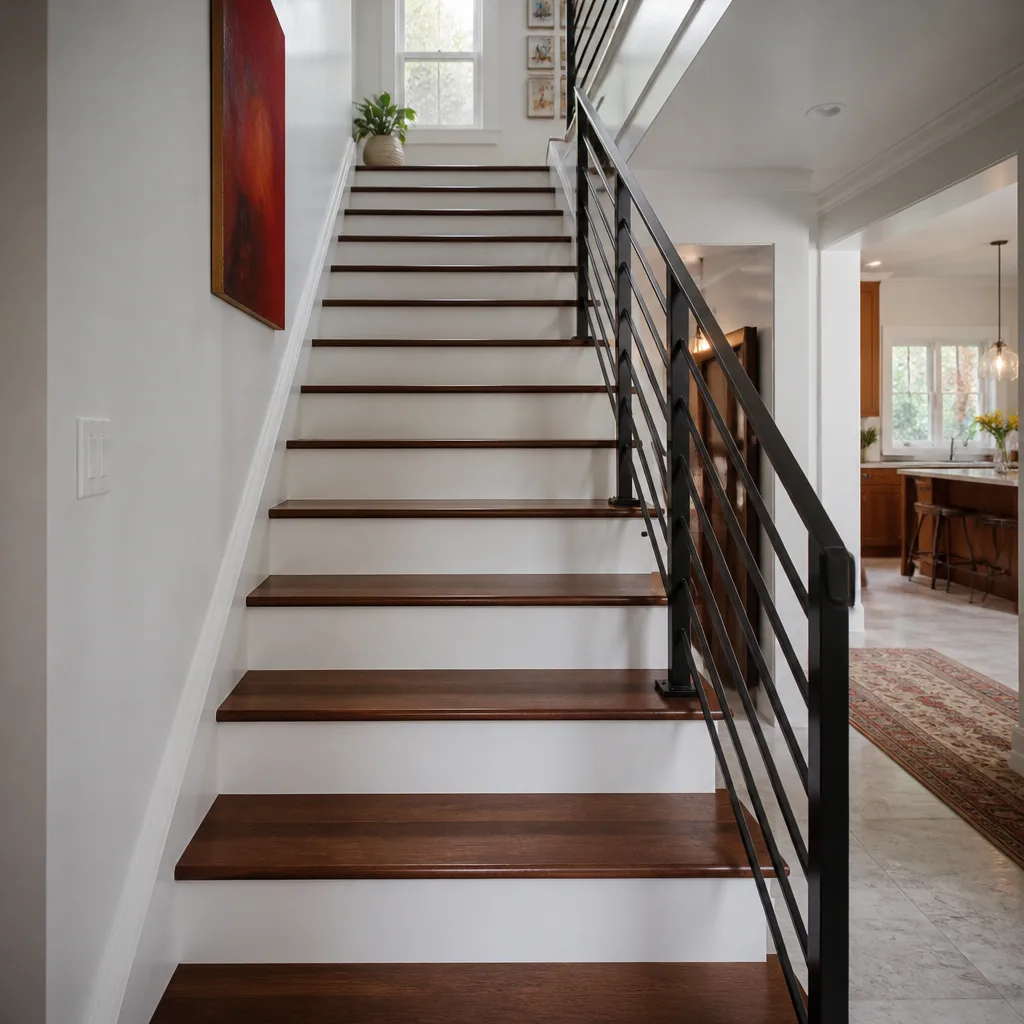
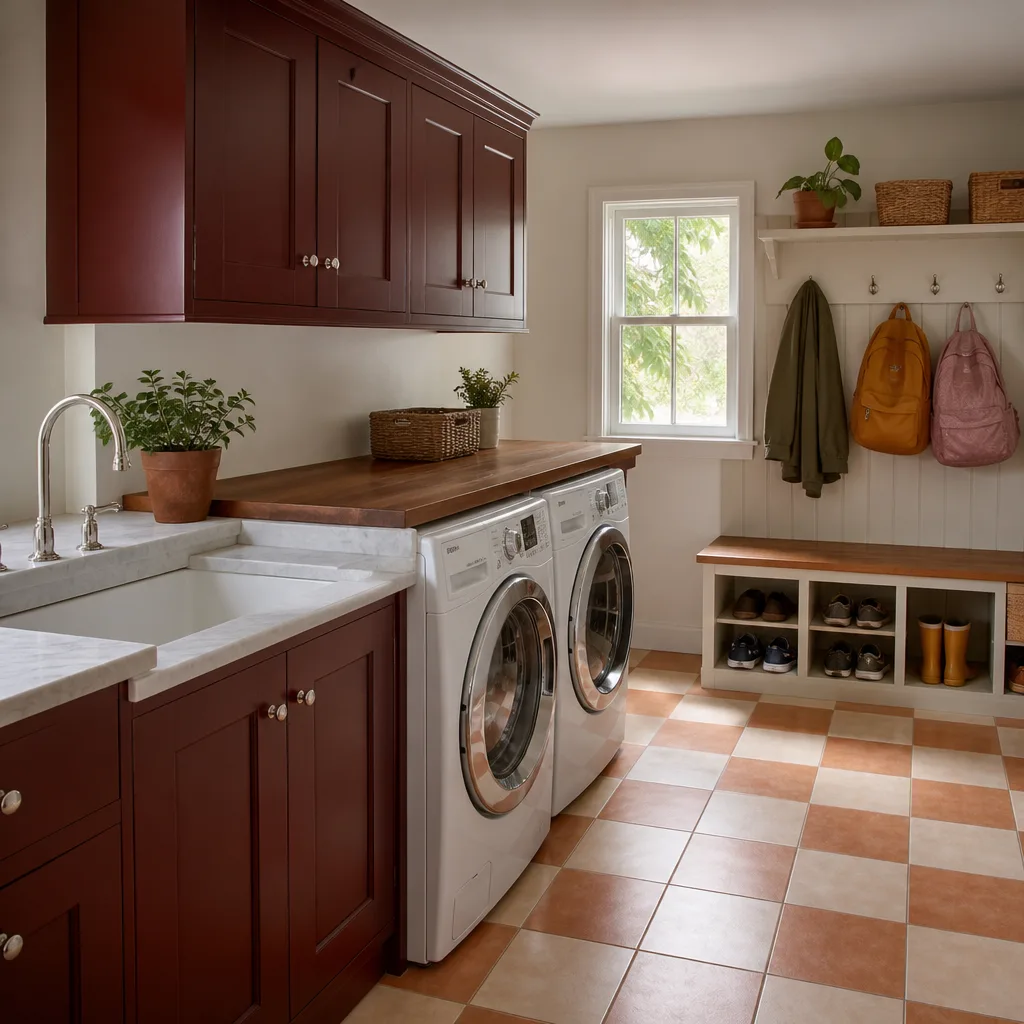
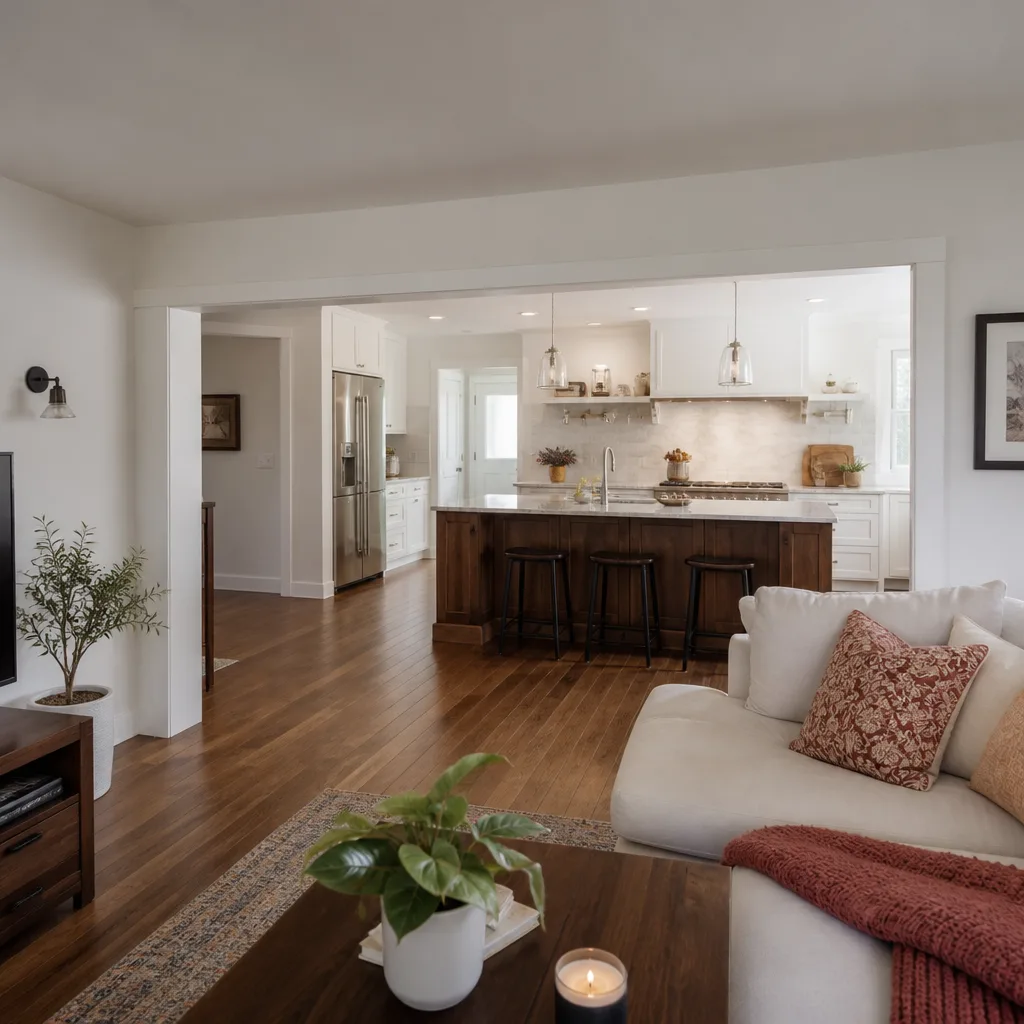
See the difference
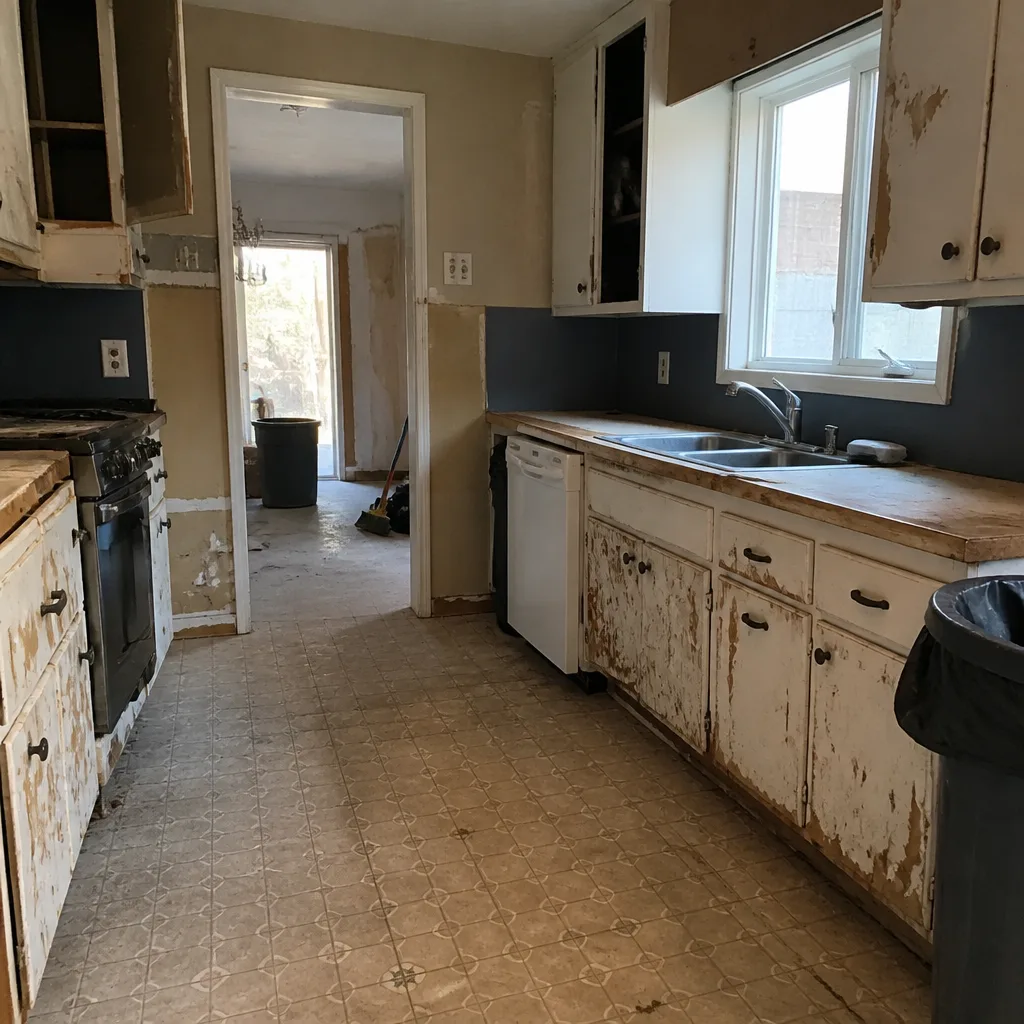 Before
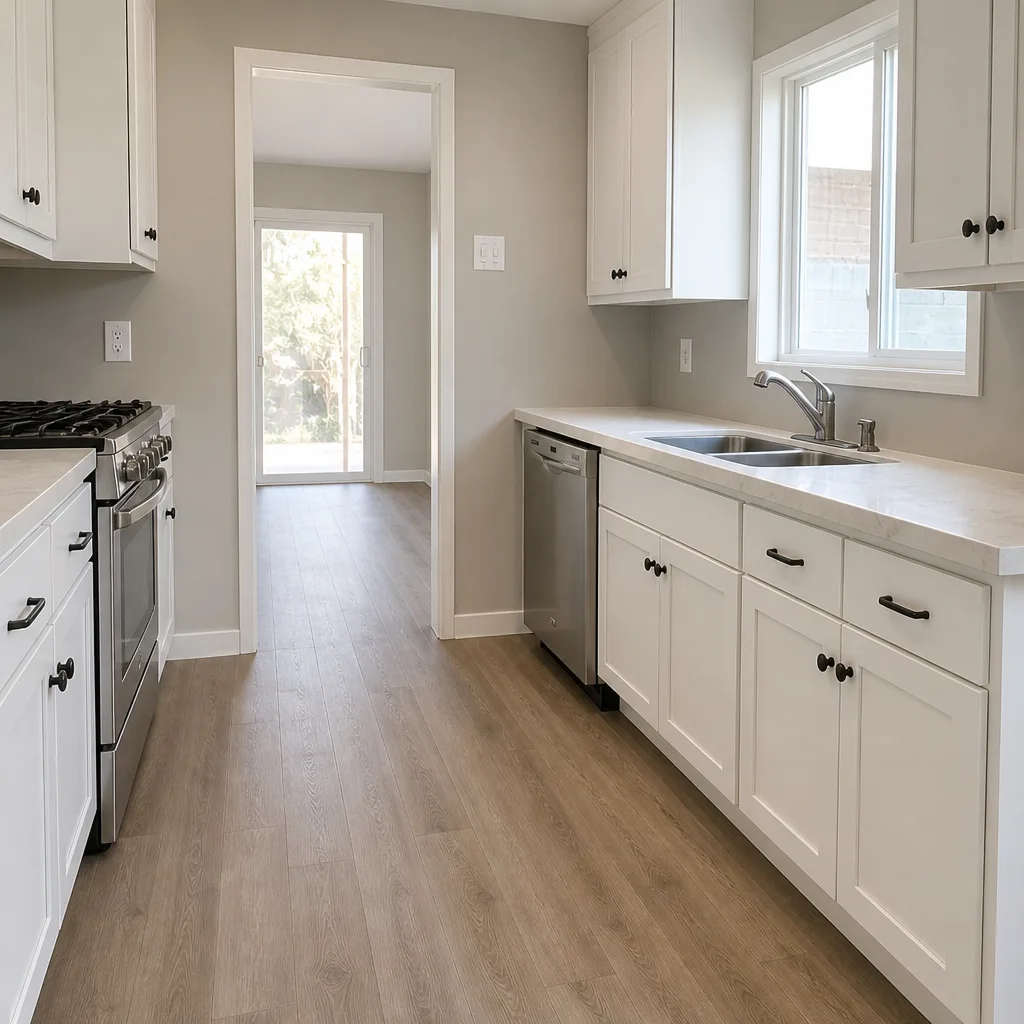 After
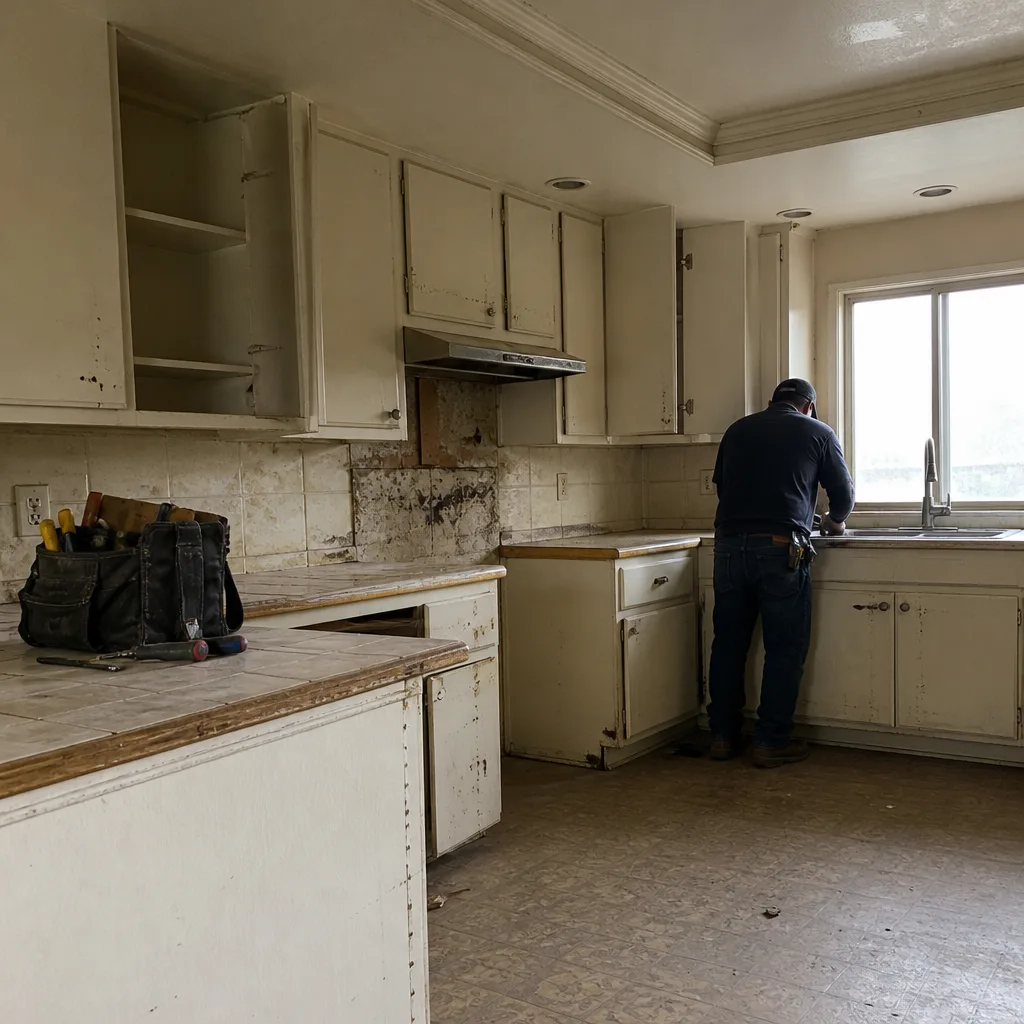 Before
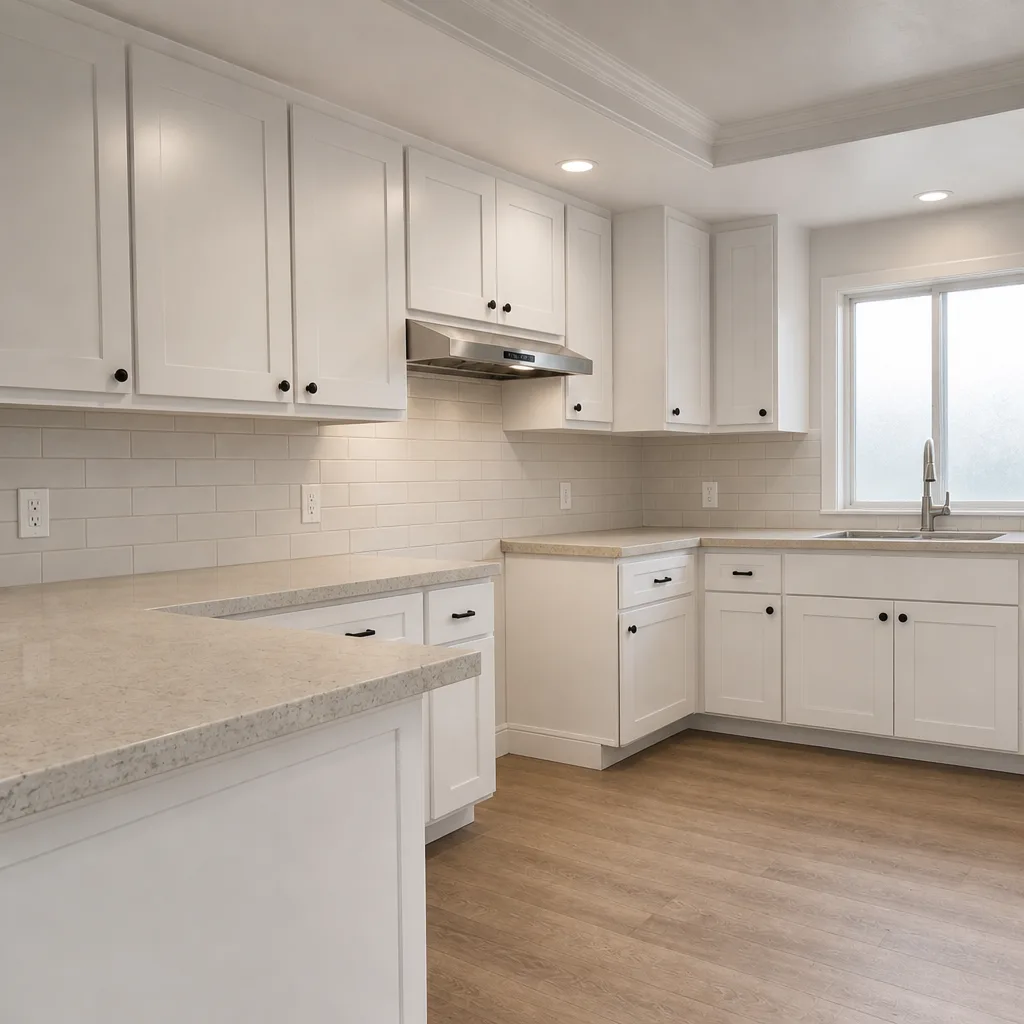 After
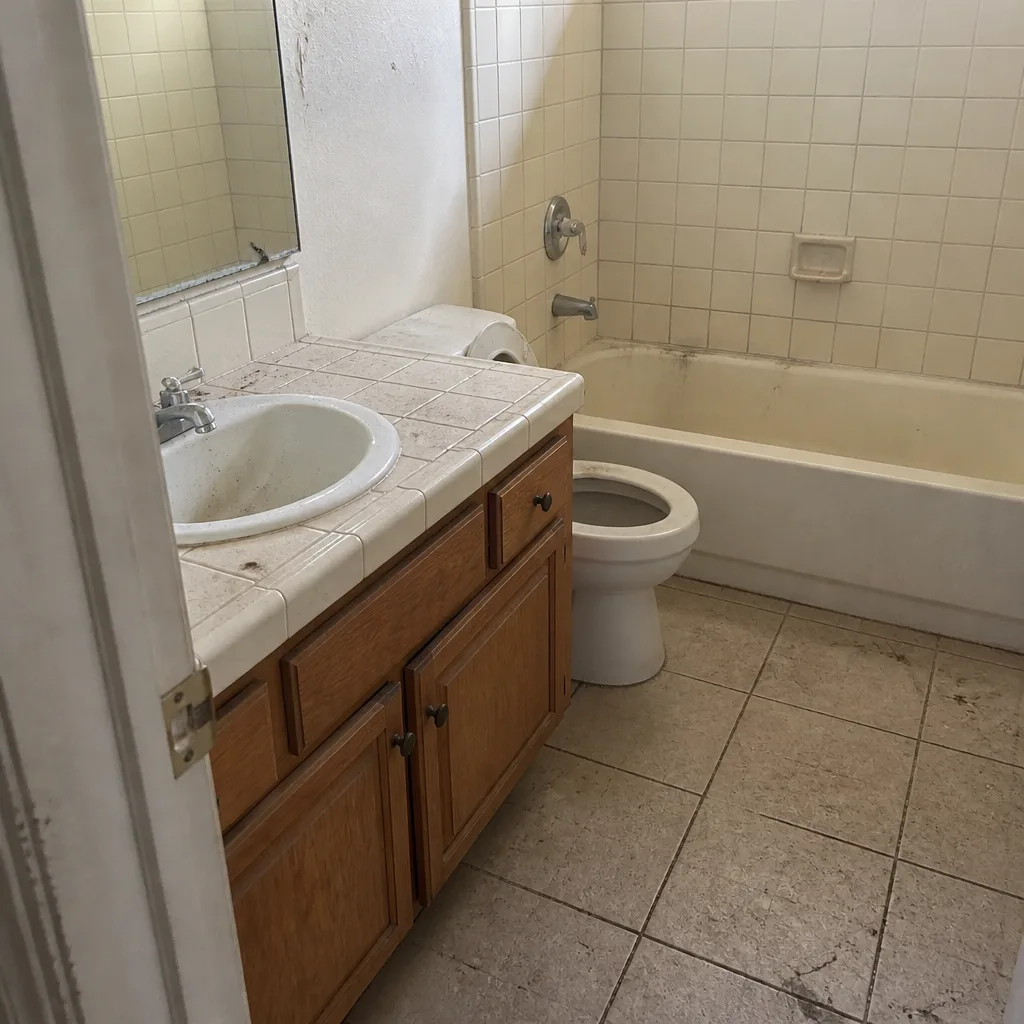 Before
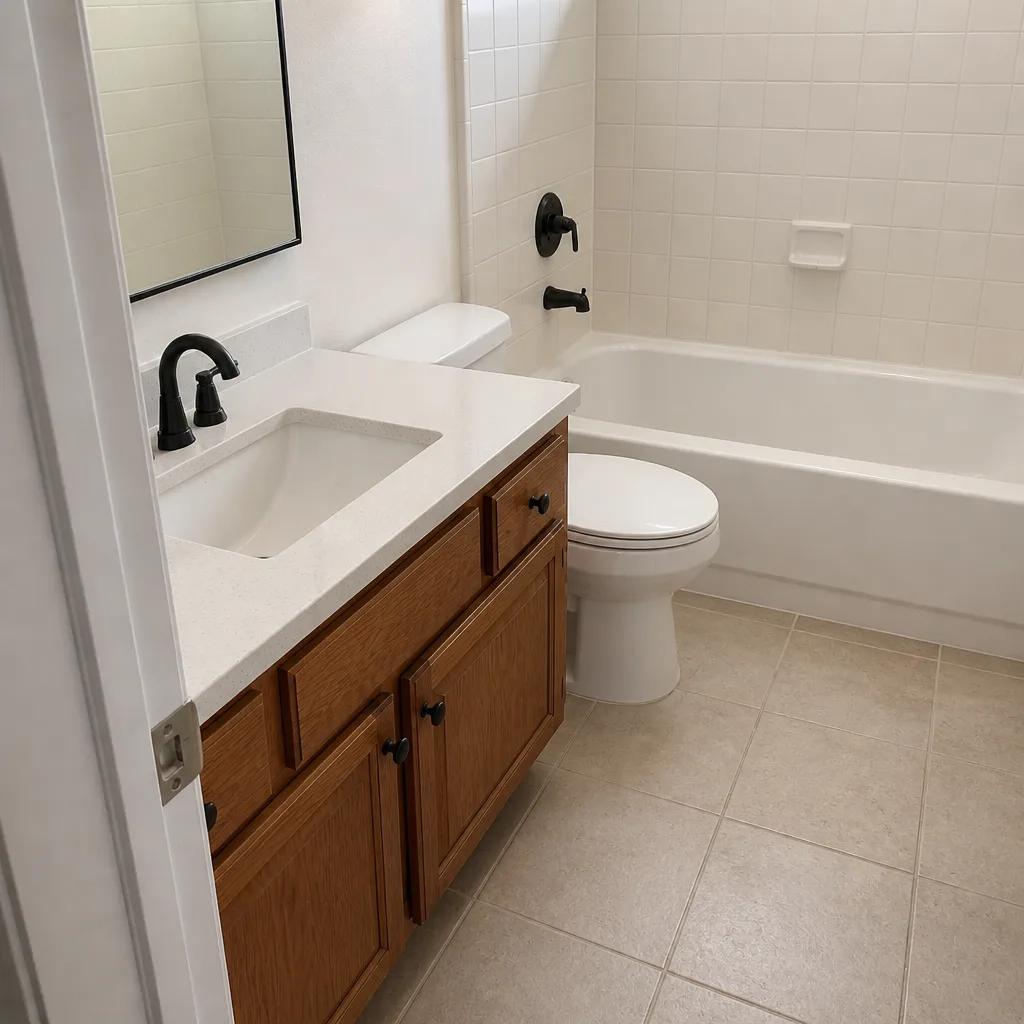 After
When to Call a Professional
Some decisions on an Irvine remodel genuinely need a licensed professional’s judgment, not a weekend’s research. Anything that moves plumbing or electrical, anything structural, anything requiring a city permit, and anything that touches the building envelope belongs with a contractor who handles inspections and sequencing as a matter of routine. The same is true for a whole-home remodel where three or more trades are working in the same house at once: coordinating rough inspections before walls close is the difference between a smooth job and an expensive re-open. If you’re unsure whether your project needs a city permit, an HOA application, or both, that’s a question worth a five-minute phone call before you spend anything. Penhallow Remodeling Irvine offers free estimates in Irvine, with a written price before any work starts. Call (888) 704-4104 to schedule yours.
Frequently Asked Questions
Yes, if the work touches plumbing, electrical, or mechanical systems, you need a City of Irvine permit, and that covers almost every kitchen or bathroom remodel. Cosmetic-only work like repainting or replacing a faucet with an identical model typically doesn’t require one. If your village’s HOA also reviews the change, submit the HOA application first, then the city permit. Call (888) 704-4104 for a free estimate and a clear read on what your project actually needs.
Plan on four to eight weeks for most Irvine villages, with some quarterly-meeting HOAs running longer if your application lands just after a meeting date. The single biggest factor in a fast approval is submitting a complete package the first time: site plan, product specs, and physical color samples where the guidelines require them. Call (888) 704-4104 and we’ll walk through your village’s requirements before you submit anything.
A whole-home remodel across 1,800 – 2,600 square feet in Irvine typically runs $110,000 – $280,000, with the number driven mostly by how much plumbing and electrical moves rather than by finish selections. Kitchens in the same market run $28,000 – $65,000 and full baths $14,000 – $32,000. Call (888) 704-4104 for an exact quote on your project – estimates are free and the price is written before any work starts.
Budget 10 – 15% on homes built before the mid-1990s and 8 – 10% on newer construction. Older Irvine tracts regularly reveal cast-iron drain sections, undersized electrical service, or subfloor issues only after demo, and the contingency is what keeps those surprises from becoming change orders. Call (888) 704-4104 to talk through your home’s era and what to expect.
Not on a properly written fixed-price contract, unless you approve a written change order first. The number on day one should be the number on the invoice for the defined scope; the only legitimate adjustments come from allowances you change or conditions behind the wall that were genuinely unknowable before demo. Ask for line-item pricing and stated allowance amounts up front. Call (888) 704-4104 for a written estimate.
It should name every trade that touched the house, state a defined term, and specify the remedy. On our projects, the 365-Day Done Right Promise covers workmanship across all trades for a full year from completion, with a free return visit and no service call if something fails. Materials from lines like Cambria and Wellborn carry their own manufacturer warranties behind it. Call (888) 704-4104 to see the guarantee in writing before you commit to anything.
The Bottom Line

Remodeling in Irvine rewards patience at the front of the project and discipline through the middle. Clear the HOA architectural review before the city permit on any project with an exterior component, pull the village guidelines before you choose a paint color, and budget with a written fixed price plus an honest contingency of 10 – 15% on older tract homes. Once work starts, insist on milestone updates, written change orders, and confirmed inspections before walls close. And get the guarantee in writing at close, with every trade named. Do those things and the project stays a construction project, which is the way you want it. Our team at Penhallow Remodeling Irvine is glad to review your plans and give you a written number before anything starts.
Ready to put a real number against your Irvine remodel? Call (888) 704-4104 for a free estimate. A live person answers 24/7, technicians are background-checked and arrive in uniform, and you’ll have a written price and a written guarantee before any work begins.
Written by the team at Penhallow Remodeling Irvine.