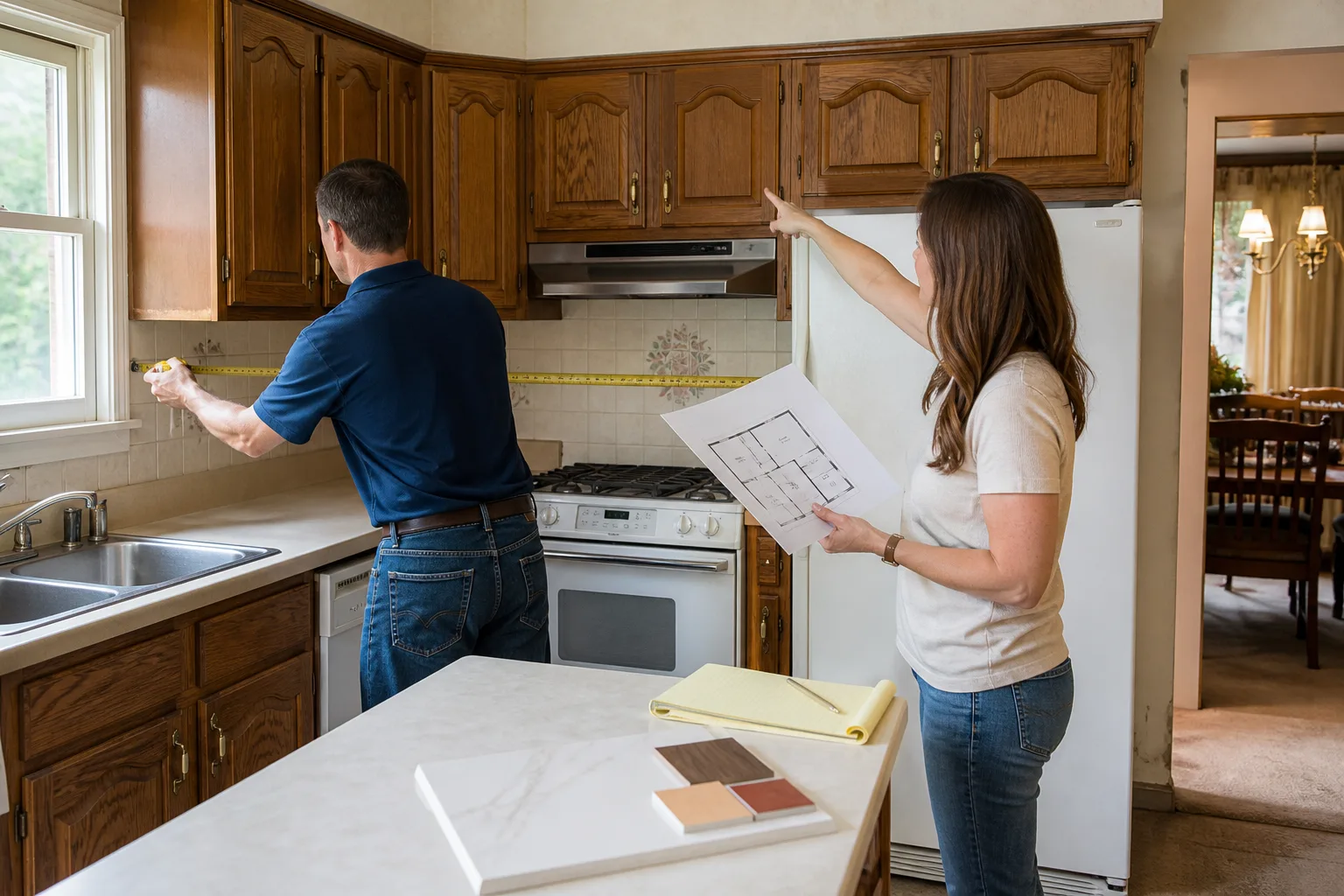
Last updated November 18, 2026








Free written scope consultation - allowances, timeline, and change-order rules on paper before a single trade is scheduled
Construction Emergency Preparedness Guide for Irvine Homes
Most construction emergency guides are written for hurricanes and wildfires. This one is about the emergencies that actually stop a remodel: the asbestos in a 1974 Irvine tract home’s floor tile that halts demo on day three, the gas line nicked behind a kitchen wall, the soggy subfloor a crew finds after a winter rain gets into an open roof deck. These aren’t disasters. They’re Tuesday. And the difference between a two-week hiccup and a six-month money pit is almost always paperwork: what your written contract says, who pays, and what documentation exists before the first prybar swings. Irvine homes built before 1980, and there are more than you’d guess, carry the highest risk of hitting one of these. We’ll walk through each scenario, who’s responsible, and the exact contract language a legitimate contractor should already have in place.
Quick Answer
A construction emergency during a remodel is any discovery or event that legally or physically stops the job: undetected asbestos, a damaged gas or water line, a structural surprise behind drywall, or water intrusion into an open structure. In Irvine, the homeowner typically owns the discovery risk and the contractor owns the workmanship risk, and a written contract should spell out both before demo begins. The right response is always the same: stop work, document everything, and get the cost in writing before anyone touches a tool.
Styles & brands we work with
- Kitchen remodeling
- Bathroom remodeling
- Home additions & ADU
- Roofing
- Windows & doors
- Driveway & pavers
- Fence
Table of Contents
- Pre-1980 Irvine Homes: Asbestos Testing Before Demo
- Hit a Gas Line or Water Main? Here’s Who Pays
- Structural Surprises Behind the Wall
- Water Intrusion Mid-Project: Protection and Documentation
- How to Vet a Contractor’s Emergency Protocol Before You Hire
- Irvine Climate and Construction Risk
- Your Pre-Project Emergency Checklist
- Frequently Asked Questions
Pre-1980 Irvine Homes: Asbestos Testing Before Demo
Irvine’s early residential stock, particularly the neighborhoods built during the 1960s and early 1970s, includes homes where asbestos-containing materials (ACMs) were standard issue. Three materials show up most often: vinyl floor tile and the mastic underneath it, popcorn ceiling texture, and the pipe insulation wrapping heating lines. A fourth, the joint compound used on drywall seams in some mid-century builds, catches people off guard. None of these are dangerous if left undisturbed. All of them become a legal problem the moment demo starts.
Under both federal EPA rules and California’s asbestos regulations, a contractor cannot legally disturb a known or suspected ACM without a licensed abatement contractor handling it. That means testing comes first, and the test should happen before demo day, not after a crew member pulls up the first square of tile.
Here’s how a legitimate process should work:
- Testing happens before demo. A certified inspector (separate from the abatement contractor, in most cases) collects samples and sends them to an accredited lab. Results usually take a few business days.
- The written contract names who pays for testing. Some contractors absorb testing costs into the project; others pass them through. Either is fine as long as it’s written down. A verbal “we’ll figure it out” is not.
- If ACMs are found, abatement is scoped and priced separately. The abatement contractor quotes the job, performs it under containment, and issues a clearance report before your remodel crew returns.
- You receive documentation of clearance. Every crew that touches the space afterward should be able to see the clearance report. Ask for it.
Costs vary, but in our experience in Irvine, testing runs a few hundred dollars per sample set, and abatement of a modest floor area or ceiling texture can run into the low thousands. The number that should worry you is the one with no number at all. When you work with a general contractor in Irvine who gives you a written price before work starts, the asbestos contingency is on the page, not discovered on your invoice.
Hit a Gas Line or Water Main? Here’s Who Pays
A nicked gas line is the emergency that gets the fire department called. A busted water main is the one that quietly ruins your week. Both happen during remodels more often than contractors like to admit, usually because a wall cavity isn’t where the 1950s drawings said it was, or because there were no drawings at all.
The legal and financial picture is layered, and it’s worth understanding before you sign anything.
- The contractor’s liability: If a crew damages a utility line because they skipped the standard call-before-you-dig process (the 811 service) or ignored documented line locations, the contractor typically bears the repair cost. That’s what their general liability insurance is for.
- Your homeowner’s insurance: Many policies cover the resulting water damage to your structure but exclude the cost of repairing the line itself. That’s a critical distinction. Read your policy before demo, not after.
- The written contract: It should state clearly (a) that the contractor will notify 811 before any digging or wall work near utility chases, (b) who pays for line repair if damage occurs, and (c) who covers the resulting water damage. If the contract is silent, you’re negotiating mid-flood, which is not a good position.
A separate, less obvious risk: some original gas and water lines in older Irvine homes weren’t where the plans show, and some weren’t permitted at all. That’s why a professional walkthrough before work begins matters. It’s one of the reasons we put a written price and a defined plan on paper before demo. When the scope is clear in writing and the scope changes, the price change has a starting point. That’s how you avoid the conversation every burned homeowner remembers, the one where the number on day one isn’t the number on the invoice.
Structural Surprises Behind the Wall
You signed a contract to remove a non-load-bearing wall. The contractor opens it up and finds a beam running through it that’s been holding up your second floor since the Kennedy administration. Or the subfloor is rotted through. Or the electrical panel is full of cloth-insulated wiring and needs a full replacement before any new circuit can go in.
These are the most common construction emergencies we see during Irvine remodels, and they’re the ones verbal estimates never account for. The question is never “will there be a surprise?” It’s “how does the contract handle the surprise when it happens?”
A legitimate contract should define the discovery process in three parts:
- The stop-and-document step. Work stops. The contractor takes photos, measures the condition, and writes a scope addition before continuing.
- A written change order. The new scope and the new price go on paper. You approve it in writing before work resumes. This is the same standard as the original contract: written price first, work second.
- Your right to a second opinion. If the added scope is significant, you should be free to bring in another contractor to inspect the condition and quote it before you proceed. Any contract that removes that right is one you should walk away from.
In our experience, the best surprise is a cheap one, and the contract that handles surprise best is the one that priced it in before demo. We can’t quote what we can’t see, but a written price that defines the change process protects you from the change price that shows up as a shock. When you’re planning a kitchen remodel in Irvine or reworking a load-bearing wall, ask about the change-order clause before you sign. Your contractor’s answer tells you a lot about how they do business.
Water Intrusion Mid-Project: Protection and Documentation
In our experience, water is the most expensive construction emergency, and it’s the one with the least drama. There’s no fire department, no dramatic pause. Just a crew that went home Friday, a storm that moved in Saturday, and an open roof deck or a doorway without a door that let the weather in. Three days of wet framing and soggy drywall later, you have a mold problem before you have a finished room.
Responsibility during construction is defined by who has control of the site, and the answer should be in the contract. Most construction contracts assign protection of the work to the contractor once they take possession of the site. That means:
- Weather protection is the contractor’s job. Tarping open roofs, sealing doorways, and securing windows before a storm is not optional. A contractor who leaves an open structure exposed and expects to charge you for the water damage is a contractor you shouldn’t have hired.
- Documentation is your job. Photograph conditions before demo, after demo, and any time water is spotted. Keep every text and email. If there’s a dispute, the paper trail decides who pays.
- Mold remediation may be required. If water sat long enough, the affected materials need to be removed and the space treated before work resumes. That’s a second scope addition on top of a first one.
Irvine’s climate helps, but it doesn’t save you. Rain happens, usually at the worst moment. The contractors who handle it well are the ones who schedule the tarp-and-seal step into the project timeline, not the ones who improvise when the weather turns. That’s the same discipline as arriving in the window we promised. Say the price before the work, show up when we said we would, leave the place cleaner than we found it. Water protection is part of that promise.
How to Vet a Contractor’s Emergency Protocol Before You Hire
Every contractor says they handle surprises. The gap between the ones who do and the ones who don’t shows up in five questions. Ask them before you hire, not after the surprise.
- “What’s your process if you find asbestos in my floor tile?” A good answer names testing first, licensed abatement second, clearance report third, and says who pays for each step. A bad answer starts with “we’ll figure it out” or “we can just demo around it.” Do not accept the second.
- “If a crew member hits a gas line, what happens?” The right answer: gas shutoff, fire department call, then insurance and utility coordination. Then the key follow-up: “What does the contract say about who pays?” The answer should be on paper.
- “How do you define a scope change and who prices it?” The right answer describes a written change order you approve before work resumes. The wrong answer describes a verbal “we’ll add it at the end.”
- “Who protects the structure if it rains mid-project?” The right answer is a plan, not a promise. Tarping, sealing, scheduling. Ask to see how it’s written into the contract.
- “If a repair fails six months after you finish, what happens?” This is the guarantee question. A contractor with a real guarantee answers immediately with what it covers and what it costs you when they come back. Ours is the 365-Day Done Right Promise: if the work fails inside the guarantee window, we come back and fix it at no charge, and if the repair fails, we return for free, no service call and no re-inspection fee. That is in writing on every project.
Also ask how the contractor hires. Background-checked, uniformed technicians on every job is the baseline, not a selling point. You should know exactly who is in your house.
One more question, and it’s the one that catches people: “Will you pull the permits?” Every serious contractor answers yes, and every serious contractor will tell you the same thing. When you’re planning a bathroom remodel in Irvine, ask it out loud. A contractor who doesn’t pull permits is one who will leave you with the problem when you sell.
Irvine Climate and Construction Risk
Irvine’s weather works in your favor most of the year, but it creates its own risk profile. Our dry, mild climate means contractors work year-round, which sounds good until you realize that February rains still land in the middle of an open-roof project. And our Santa Ana wind events, which drive warm dry air through in fall, can also push debris and dust into an open structure and complicate outdoor work that’s mid-completion.
The bigger risk is what our climate hides. Irvine homes sit close to marine moisture in the morning and dry fast by afternoon. That doesn’t mean water damage doesn’t happen; it means it can dry enough to look fine while the moisture is still working into the framing. The fix is simple: contractors who check for moisture before they cover up a wall, and homeowners who insist on it. Ask your contractor how they verify that the substrate is dry before they install the cement board or set the tile. A good answer is a moisture meter reading and a written log, not “we eyeballed it.”
Our local soil is another factor. Expansive clay soils in parts of Irvine can move with seasonal moisture, and that movement can show up as hairline cracks in the walls and floors that aren’t structural but that a first-time homeowner may misinterpret as a sign of a problem. Get an inspection before you panic, and make sure your contractor knows the difference between a cosmetic crack and a structural one.
Your Pre-Project Emergency Checklist
Before a single tool comes out of the truck, run through this list. It takes an hour and it saves you the worst of these emergencies:
- Confirm your contract has a written change-order process, in writing, with a price first and work second.
- Confirm the contractor’s testing process for any pre-1980 materials, and where the cost sits.
- Confirm the utility-notification process (call-before-you-dig) in writing.
- Confirm the site-protection plan for rain and wind, and who’s responsible for it.
- Confirm the guarantee in writing, including what happens if a repair fails and who pays.
- Read your homeowner’s insurance policy for what it covers and what it excludes before demo starts.
- Save every document, photo, and message in one folder.
- Ask how the contractor handles after-hours calls. We have a live person answering the phone around the clock, and you should demand the same from anyone working in your home.
That’s not a generic list. In our experience in Irvine, the contractors who have this checklist already in their files are the ones who arrive in the window they gave, finish on the schedule they wrote, and stand behind it afterward. The product lines behind a good guarantee, whether it’s Cambria quartz on a countertop or James Hardie siding on an exterior, are the second layer of protection. The first is the promise on paper.
Common Mistakes to Avoid
- Starting demo before testing pre-1980 materials. In older Irvine neighborhoods, a $600 test can save a $6,000 abatement surprise. Skipping it isn’t saving money, it’s moving money to a worse moment.
- Accepting a verbal estimate that doesn’t address emergencies. If the contract doesn’t have a written change-order process, the price can change the moment a surprise hits. That’s the number that balloons after demo day, and it’s the exact experience you’re trying to avoid.
- Assuming homeowner’s insurance covers everything. Most policies exclude the cost of repairing the damaged line itself and cap the resulting water damage. Read the policy before work starts.
- Not documenting the before-conditions. Photos, video, and a written report protect you if a dispute arises. The contractor who takes them is a contractor who plans for the possibility.
- Hiring a contractor who doesn’t pull permits. Permits and inspections are the paper trail that keeps a surprise from becoming a problem when you sell the house.
- Skipping the second-opinion right. If your contract removes your ability to bring in another contractor on a major scope change, you’ve given up leverage you may need. Keep it.
- Rushing a repair that failed once. A repair that cracks again in weeks is a sign the underlying issue wasn’t diagnosed. Take the free return visit if it’s offered, and take the written guarantee seriously.
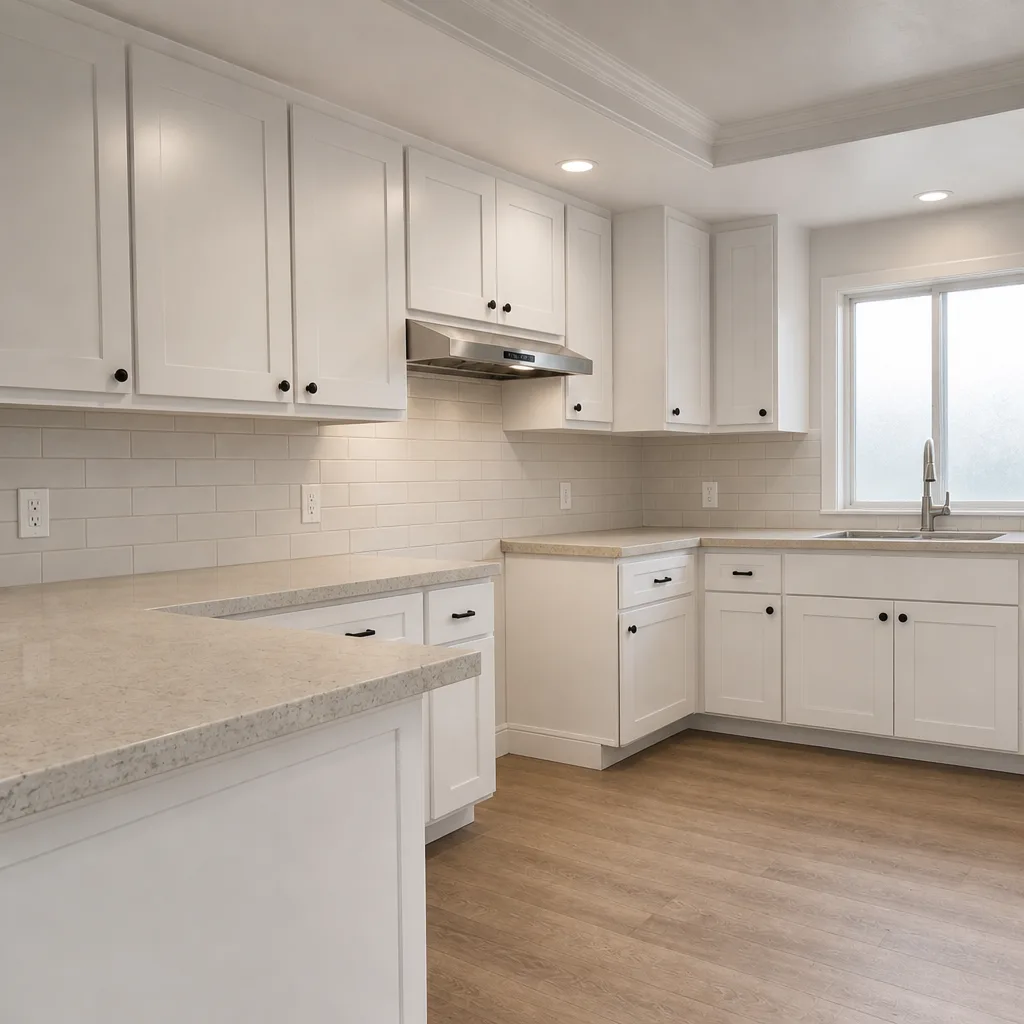
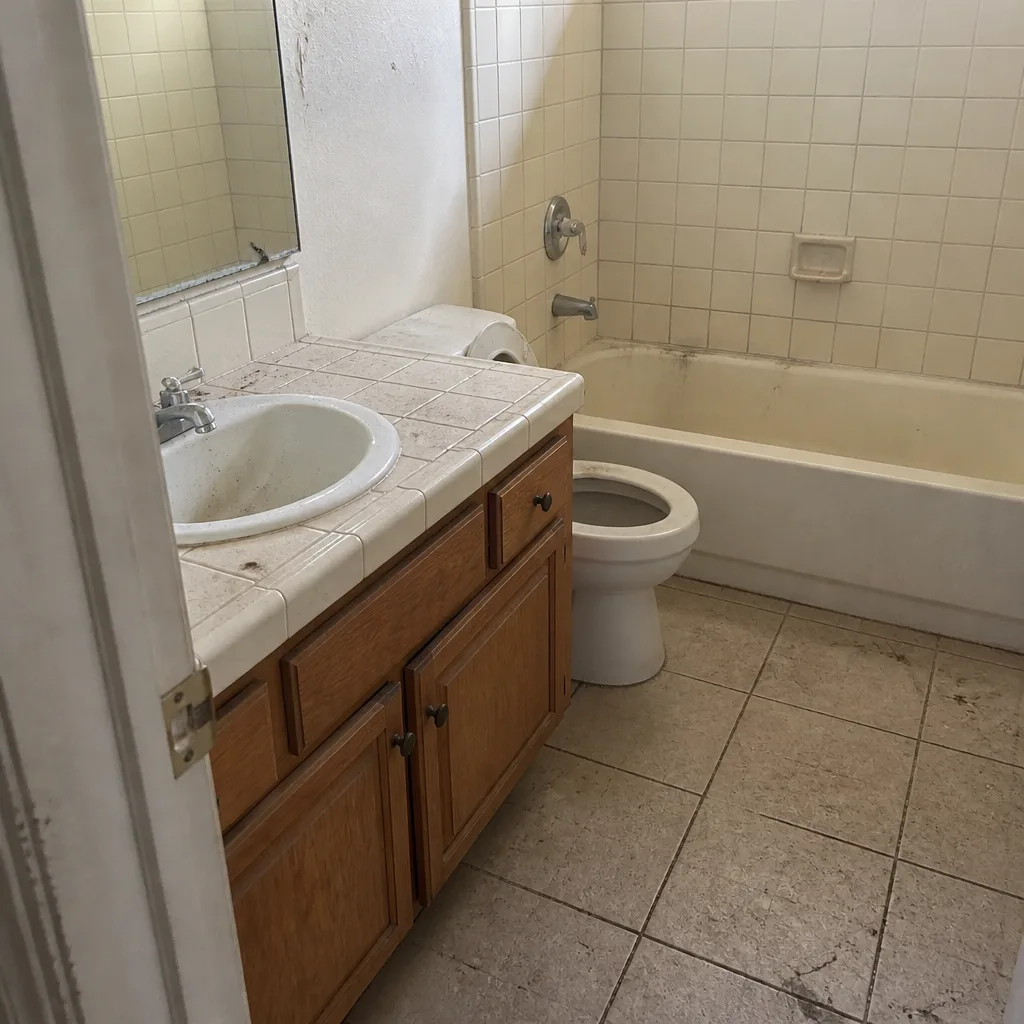
See the difference
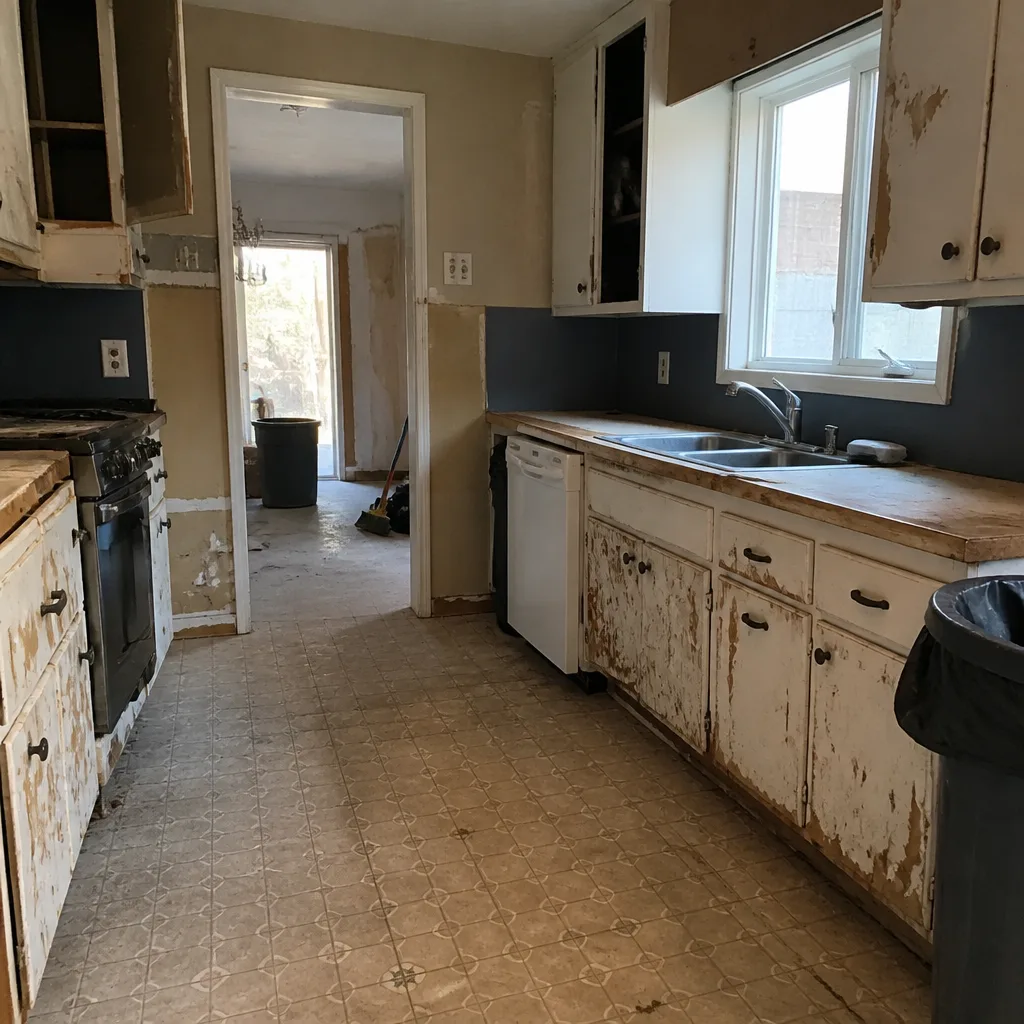 Before
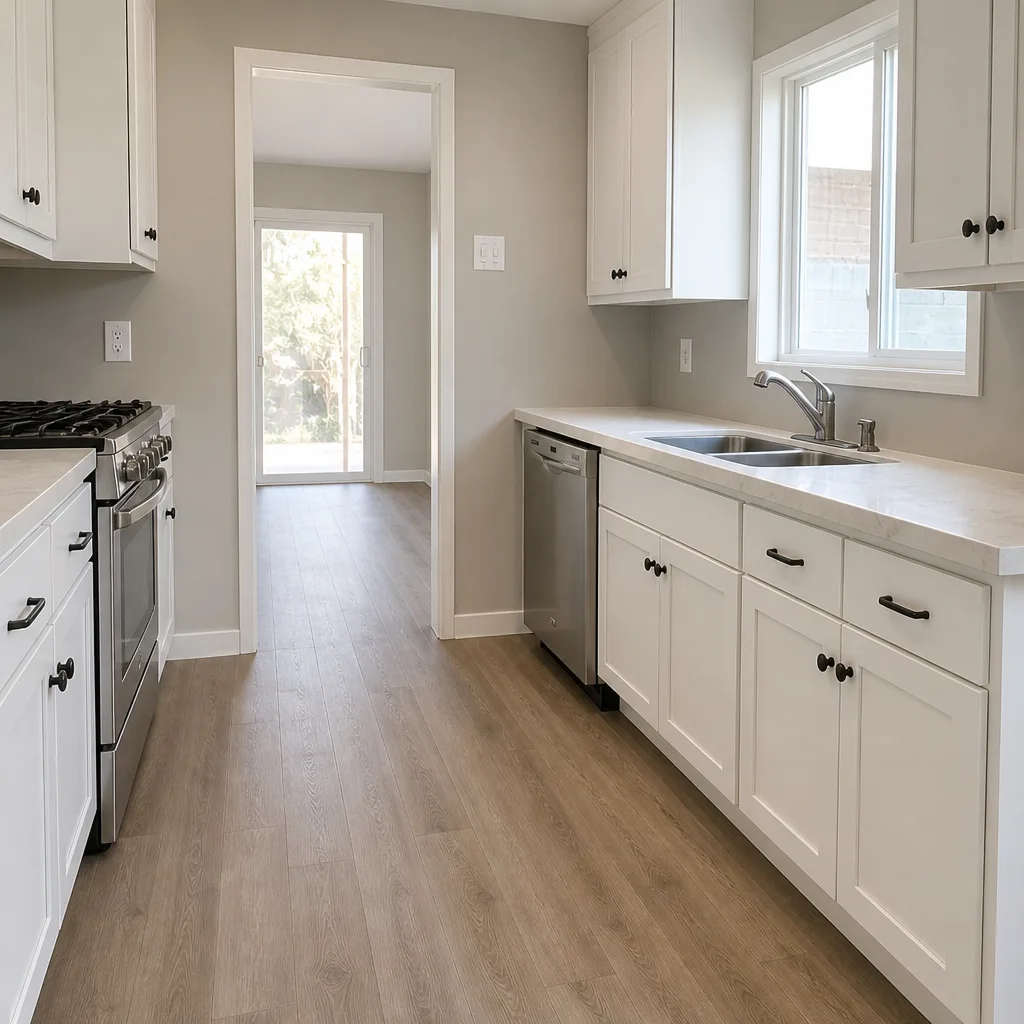 After
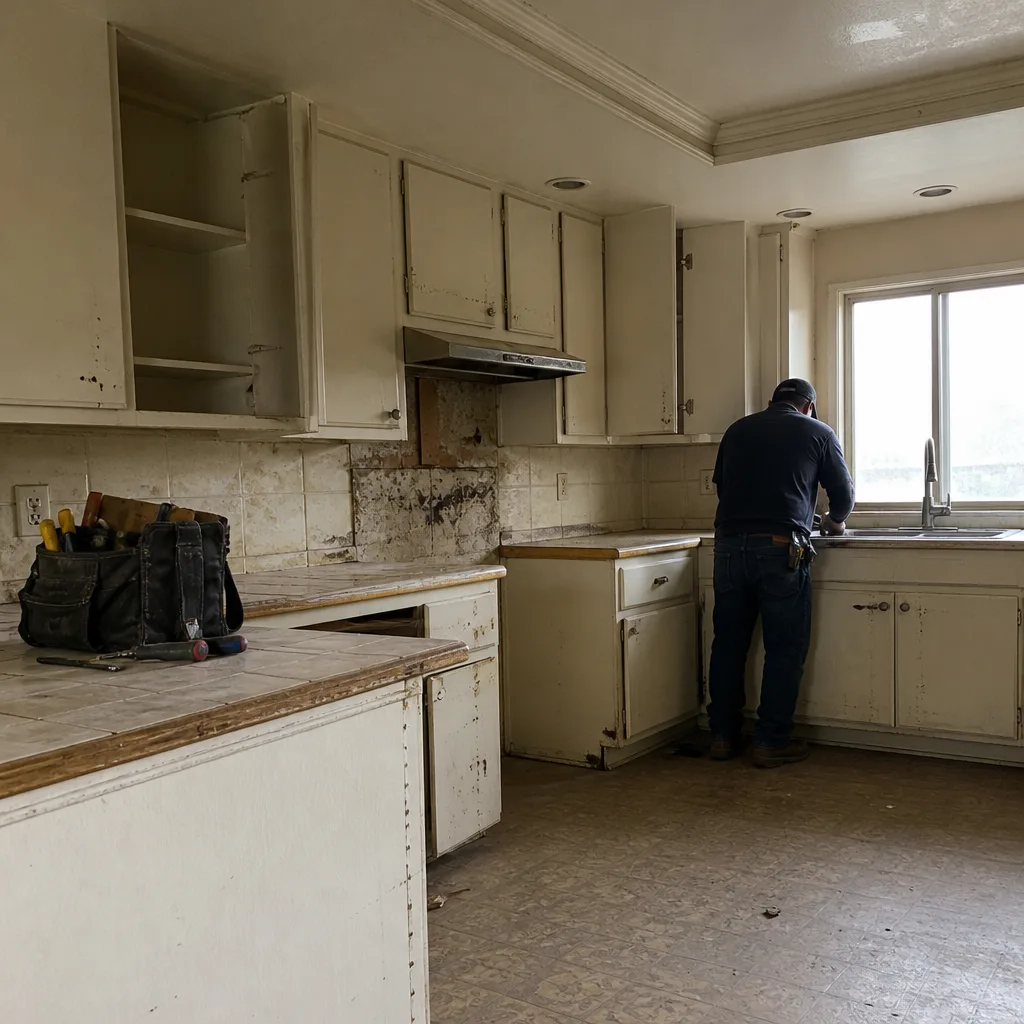 Before
 After
 Before
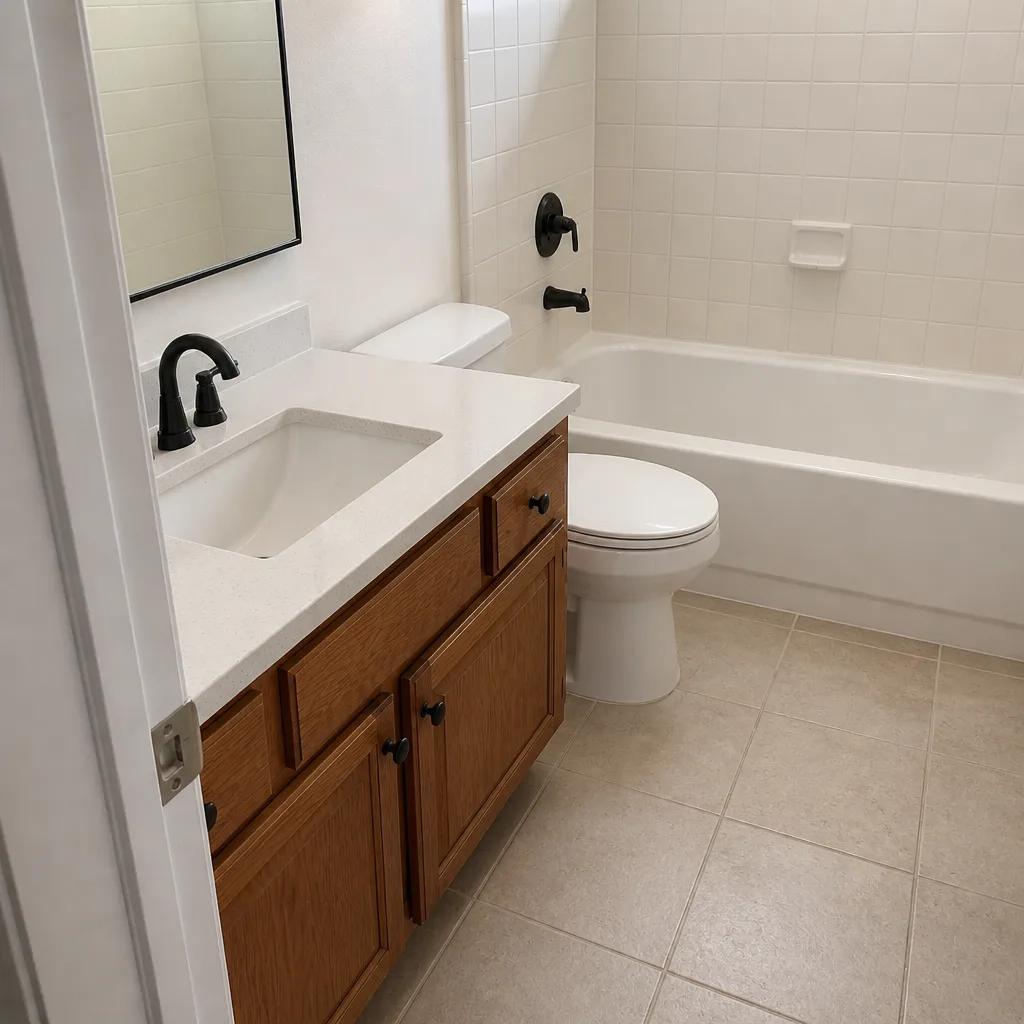 After
When to Call a Professional
Call a professional immediately when demo reveals suspected asbestos, when a crew cuts or crimps a gas or water line, when a structural member turns out to be in the path of the planned work, or when water has entered the structure and hasn’t been dried. Those four are not judgment calls: each one has a documented process, a legal requirement, and a price that needs to go on paper before the work resumes. The other time to call is before the project starts. Ask the hard questions about emergency protocol upfront. Penhallow Remodeling Irvine offers free estimates in Irvine, with a written price before any work starts. Call (888) 704-4104 to schedule yours and get the plan in writing.
Frequently Asked Questions

Stop work immediately and have the material tested by a certified inspector before any further demo. The contractor should not disturb suspected asbestos-containing material until a licensed abatement contractor clears the site and issues a clearance report. In older Irvine neighborhoods, this should have been tested before demo began. If it wasn’t, that’s a conversation about who pays, and it should be on paper.
The contractor’s liability insurance typically covers the line repair if the damage resulted from their work, but your homeowner’s insurance often covers only the resulting water damage, not the line itself. The exact split should be written in the contract before work starts. If it isn’t, get it in writing before demo. Call (888) 704-4104 for an estimate and a written plan.
Costs vary widely by scope. Asbestos testing runs a few hundred dollars per sample set, abatement of a modest area can run into the low thousands, and water intrusion remediation depends on how long the structure stayed wet. The important number is not the emergency cost. It’s the written estimate you got before work began, which should tell you exactly how change pricing works so the emergency number isn’t a surprise. Call us for a free estimate.
Yes, permits and inspections are part of every permitted remodel we take on, and we never ask a homeowner to cover for a project that skipped them. Permits are the paper trail that protects you at resale, and a legitimate contractor handles them routinely. Ask any contractor you’re considering where the permit number will live in your file. Call (888) 704-4104 to schedule a free estimate.
Our 365-Day Done Right Promise covers the work we perform for a full year: if it fails inside the guarantee window, we come back and fix it at no charge, and if a repair fails, we return for free with no service call and no re-inspection fee. It’s in writing on every project, along with a written price before any work starts. That’s the standard we work to, and it’s why homeowners burned by other contractors call us.
Not without your written approval. The number on day one is the number on the invoice, and any change in scope gets a written change order with a new price before work resumes. That’s a guarantee, not a marketing line. It’s the same standard on every project, and it’s what protects you when a wall opens up and something behind it wasn’t in the plan. Call (888) 704-4104 for a free estimate.
The Bottom Line
The real construction emergencies in Irvine aren’t earthquakes or floods. They’re asbestos found on day three of demo, a gas line nicked behind the kitchen wall, a beam nobody knew was load-bearing, and rain that got in overnight. What determines whether these small events become big ones is the paperwork you signed before work began: the written price, the change-order process, the site-protection clause, the guarantee. A contractor who has those in place has already planned for the emergency. A contractor who doesn’t is hoping you won’t ask. Ask anyway. Get the number on the page. Get the guarantee in writing. Then start the job.
Penhallow Remodeling Irvine offers free estimates to homeowners across Irvine, with a written price before any work starts and a written guarantee on every project. Call (888) 704-4104 to schedule yours. Our technicians have up to 22 years of experience, and they arrive background-checked and uniformed on every job. Learn more about our Penhallow Remodeling Irvine home page, or reach out directly and we’ll walk your project through the same checklist.
Written by the team at Penhallow Remodeling Irvine.