Last updated November 18, 2026








Free written scope consultation - allowances, timeline, and change-order rules on paper before a single trade is scheduled
How Long Does Home Remodeling Take? Timelines and What to Expect
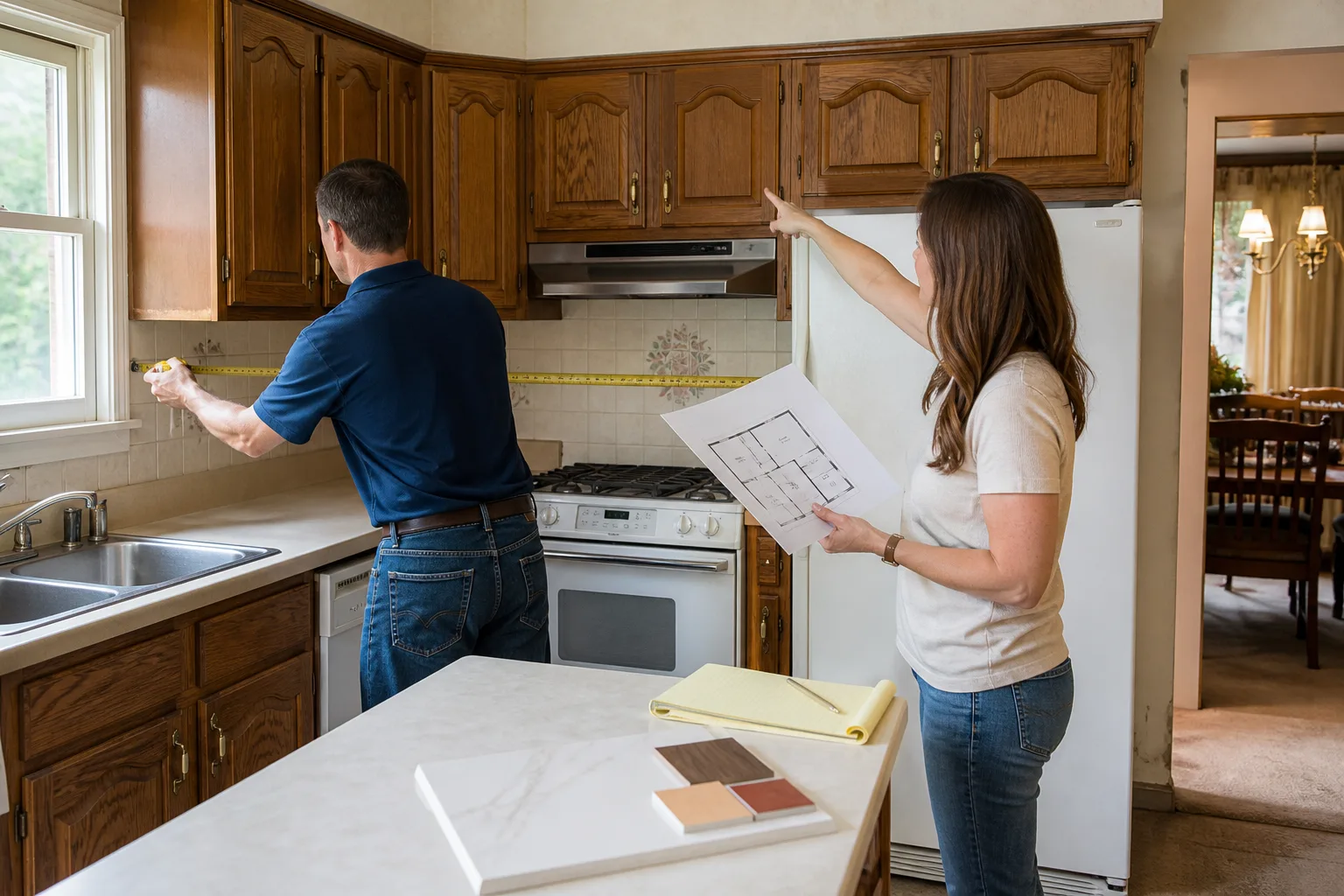
Homeowners consistently underestimate how long a remodel will take by about 40%, and the gap almost never comes from slow workers. It comes from permit wait times, special-order material lead times, and inspection scheduling windows that nobody explained upfront. A contractor who hands you “four to six weeks” without first asking about permit queues in your city is guessing. In Irvine, the City of Irvine plan review and permit queue alone can add three to six weeks before a single tool is lifted. This guide breaks down where the time actually goes, project by project, so you can read a schedule and know whether it’s real.
Quick Answer
A bathroom remodel typically takes 6 to 10 calendar weeks, a kitchen 8 to 14 weeks, and a whole-home gut remodel 4 to 8 months once work begins. Add permit time separately: in Irvine, plan review and permit issuance commonly runs 3 to 6 weeks before construction starts, so a kitchen project is realistically 3 to 5 months from signed contract to final inspection. The best way to estimate the timeline is by the written schedule, not the pitch.
Styles & brands we work with
- Kitchen remodeling
- Bathroom remodeling
- Home additions & ADU
- Roofing
- Windows & doors
- Driveway & pavers
- Fence
Table of Contents
- Construction Days vs. Calendar Weeks
- Project-by-Project Timeline Table
- Why Irvine Permit Time Is Separate From Construction Time
- The Three Most Common Timeline Killers
- How to Read a Contractor’s Project Schedule
- What You Can Do Before Demo Day to Shorten Construction
- Common Mistakes to Avoid
- Frequently Asked Questions
Construction Days vs. Calendar Weeks
This is the single biggest source of confusion in remodeling timelines. When a contractor says “a bathroom takes three weeks,” they almost always mean three weeks of working days, assuming no gaps. When you hear “three weeks,” you picture twenty-one calendar days. Those are different numbers.
Construction days are days when workers are physically on site. Calendar weeks include everything that happens between them: permit issuance, material delivery, inspection scheduling, cure times for tile and grout, and weather delays if the project touches the building envelope.
Here’s how the math usually breaks down:
- Bathroom: 15 to 25 construction days, spread across 6 to 10 calendar weeks.
- Kitchen: 25 to 40 construction days, spread across 8 to 14 calendar weeks.
- Whole-home remodel: 80 to 160 construction days, spread across 4 to 8 months.
- ADU (accessory dwelling unit): 90 to 180 construction days, plus design and permit time that can run 4 to 9 months on its own in Irvine.
The difference between those two numbers is where almost every timeline dispute comes from. Ask your contractor which number they’re quoting, and ask them to write the calendar schedules in the contract. We’ve seen more homeowner frustration over this one misunderstanding than any other. When we write a schedule, it’s in calendar dates with named milestones, not construction hours.
Project-by-Project Timeline Table
Here’s what realistic timelines look like for the projects we most commonly quote. Permit time is listed separately because it depends on the scope, whether structural work is involved, and the current volume of applications at the Irvine permit counter.
| Project | Permit Time (Irvine) | Construction Time | Total Calendar |
|---|---|---|---|
| Bathroom remodel (no structural) | 2 to 4 weeks | 6 to 10 weeks | 2 to 4 months |
| Kitchen remodel (layout change) | 3 to 6 weeks | 8 to 14 weeks | 3 to 5 months |
| Whole-home remodel | 5 to 10 weeks | 4 to 8 months | 6 to 10 months |
| ADU (new construction) | 8 to 16 weeks | 3 to 6 months | 7 to 12 months |
| Two-bathroom simultaneous | 3 to 6 weeks | 10 to 16 weeks | 4 to 6 months |
The kitchen numbers assume moving electrical and plumbing, because that’s how most kitchen projects in Irvine actually go: the layout gets better, and the trades come along with it. A cosmetic-only kitchen (cabinet fronts, countertop, paint) can cut construction time roughly in half, but it still needs permit review if any plumbing or electrical moves. When we quote a Kitchen Remodeling in Irvine, the written schedule starts with the permit window, not the demo date, because that’s the honest picture.
Why Irvine Permit Time Is Separate From Construction Time
Irvine enforces plan review on any project that touches structure, electrical, plumbing, or gas. That’s a good thing: it protects you, your insurance, and resale value. It also adds calendar time that has nothing to do with your contractor’s speed.
What the permit process actually involves:
- Application submission. Plans, engineering (if structural), title report, and scope of work go to the City of Irvine.
- Plan review. Plan reviewers check structural loads, energy code, egress, and seismic anchoring. This is where most of the calendar time sits.
- Revisions, if required. Even a small correction (a missing detail on a load path, a window spec that doesn’t meet energy code) adds another review cycle.
- Permit issuance. Construction can begin only after the permit is issued.
- Inspections during construction. Rough framing, rough plumbing, rough electrical, insulation, drywall, and final. Each inspection needs scheduling, and a failed inspection adds a return trip.
The inspection piece matters especially in Irvine, because the city runs a full inspection calendar and the trades have to coordinate around it. Rough-in inspections that pass the first time keep the project on schedule. That’s one reason the details at plan review time matter so much: getting the plans right upfront avoids the correction cycle later.
Penhallow Remodeling Irvine pulls permits and passes inspections on every job we take, with the work inspected in sequence and closed out properly. A schedule that doesn’t include inspection milestones isn’t a schedule; it’s a hope.
The Three Most Common Timeline Killers
In our experience, three things cause most of the time overruns on an Irvine remodel, and none of them are lazy workers. Knowing them in advance is how you protect the schedule.
1. Hidden water damage discovery
Behind tile, behind drywall, and behind cabinetry, older Irvine homes (especially in neighborhoods built in the 1970s and 1980s) often reveal deferred water issues, failing shut-offs, or old galvanized plumbing once demolition begins. That’s a real finding, not an upcharge. The question is whether the contractor has a plan for it. A written schedule with a defined contingency milestone for “demo inspection” lets both sides adjust without panic. A contractor who will not commit to anything in writing is telling you they have no contingency plan.
2. Special-order material delays
Cabinetry and countertops are the longest lead-time items in any kitchen project. KraftMaid and Wellborn cabinets commonly run 4 to 8 weeks from order placement. Cambria and Silestone counters are templated after cabinets are installed, so they arrive later in the build. If a contractor orders materials once the job begins rather than during the permit window, the project loses weeks. The fix is simple: order early, confirm dates, and put the order dates in the schedule.
3. Inspection backlogs and failed inspections
An inspection that fails adds a return trip and possibly a trade correction, which can burn a week. Getting the rough-ins right the first time is the entire job of the person doing the work, and it’s why a licensed general contractor is worth having on the project. A failed inspection during framing or rough plumbing is preventable.
When we quote a project, we build in a written contingency milestone at demo, a written contingency for material lead-time variance, and inspection milestones with dates. When any of those gets used, you know why, because it’s in the document.
How to Read a Contractor’s Project Schedule
Not all timelines are schedules. A schedule has dates, milestones, and named dependencies. A timeline has adjectives. Here’s what an actual project schedule looks like:
- Named phases, in order. Design, permit application, permit issuance, demo, rough-in, inspection, drywall, finish, punch list, final inspection.
- Calendar dates, not ranges. “Rough plumbing complete by March 14” beats “rough-in during week three.”
- One owner per milestone. For each phase, the schedule says who’s responsible for what.
- Inspection dates, not inspection windows. The city inspector’s calendar exists; the schedule should reflect it.
- A written contingency section. What happens if demo uncovers a problem, if a material ships late, or if an inspection fails. The contingency isn’t a blank check; it’s a named, known window.
- A change-order process in writing. Changes should be priced and scheduled in writing before proceeding.
If a contractor hands you a verbal “four to six weeks” without any of that, the timeline is not a commitment; it’s an opinion. Ask for the schedule in writing. A legitimate contractor will provide it. When we quote a Bathroom Remodeling in Irvine, the written schedule lists permit dates, trade windows, inspection dates, and the punch list milestone before a single tile is selected.
What You Can Do Before Demo Day to Shorten Construction
A good chunk of construction time is homeowner decisions, not trade work. Here’s how to keep the project moving:
- Pre-select fixtures and finishes. Lock in the vanity, the toilet, the faucets, the tile, and the cabinets before demo starts. Kohler and Moen fixtures are typically in stock locally, but the model numbers need to be chosen. Delays from undecided fixtures are common and entirely avoidable.
- Pre-approve alternates. If the first-choice tile isn’t available, what’s the second? Naming the alternate in writing before demo avoids a week of decision limbo later.
- Clear inspection access. Confirm that the attic access, the crawl space, and the panel are clear before each inspection. An inspector who can’t access the work area can’t pass it.
- Make decisions in a single weekly meeting. Decisions get made faster when all the trades know the same answer.
- Order long-lead items first. Cabinetry and counters, in that order, because counters are templated after cabinet install.
We’ve seen homeowners save two to three weeks on a kitchen simply by doing those five things before demo. That’s the value of preparation, and it costs nothing.
Common Mistakes to Avoid
- Comparing construction time from different contractors. One contractor’s “6 weeks” includes permit time; another’s doesn’t. Ask each contractor what their timeline covers before comparing.
- Choosing the cheapest bid over the most specific schedule. The cheapest bid is usually the one with the fewest written commitments. Price the schedule, not just the number.
- Not asking about permit status in writing. Irvine is not a rubber-stamp city for permits. If the contractor can’t show you the permit application, don’t schedule demo. Ask for the permit number when it’s issued.
- Waiting on material orders during construction. Special-order cabinetry and counters should be ordered before demo starts. If your contractor is ordering cabinets after the demolition, that’s weeks of your time.
- Assuming the finish schedule is the construction schedule. “Cabinets by June” is not a schedule. Ask for the milestone dates for rough-in inspections and punch list completion.
- Not documenting changes. Every change should get a written change order with the cost and the schedule impact. Verbal changes are how projects end up over budget with no explanation.
- Forgetting to verify the contractor’s guarantee in writing. Ask exactly what’s covered and for how long. The answer should be in writing before the contract is signed, not after.
Penhallow Remodeling Irvine works under The Kingswell Way, the operating standard that has guided the Kingswell family of companies since 2004: say the price before the work, show up in the window we gave you, and leave the place cleaner than we found it. We also back every project with the 365-Day Done Right Promise, in writing, on top of the manufacturer’s warranty on products like Cambria quartz and Kohler fixtures.
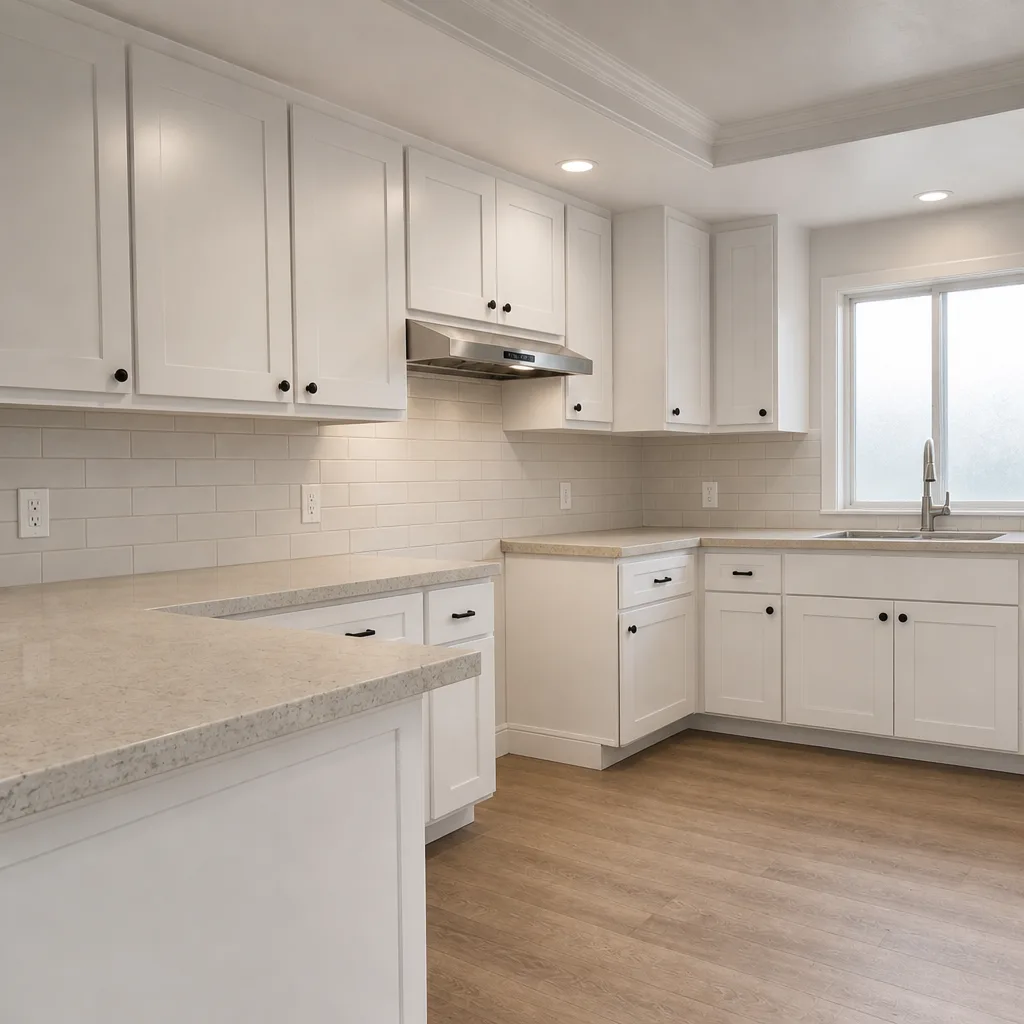
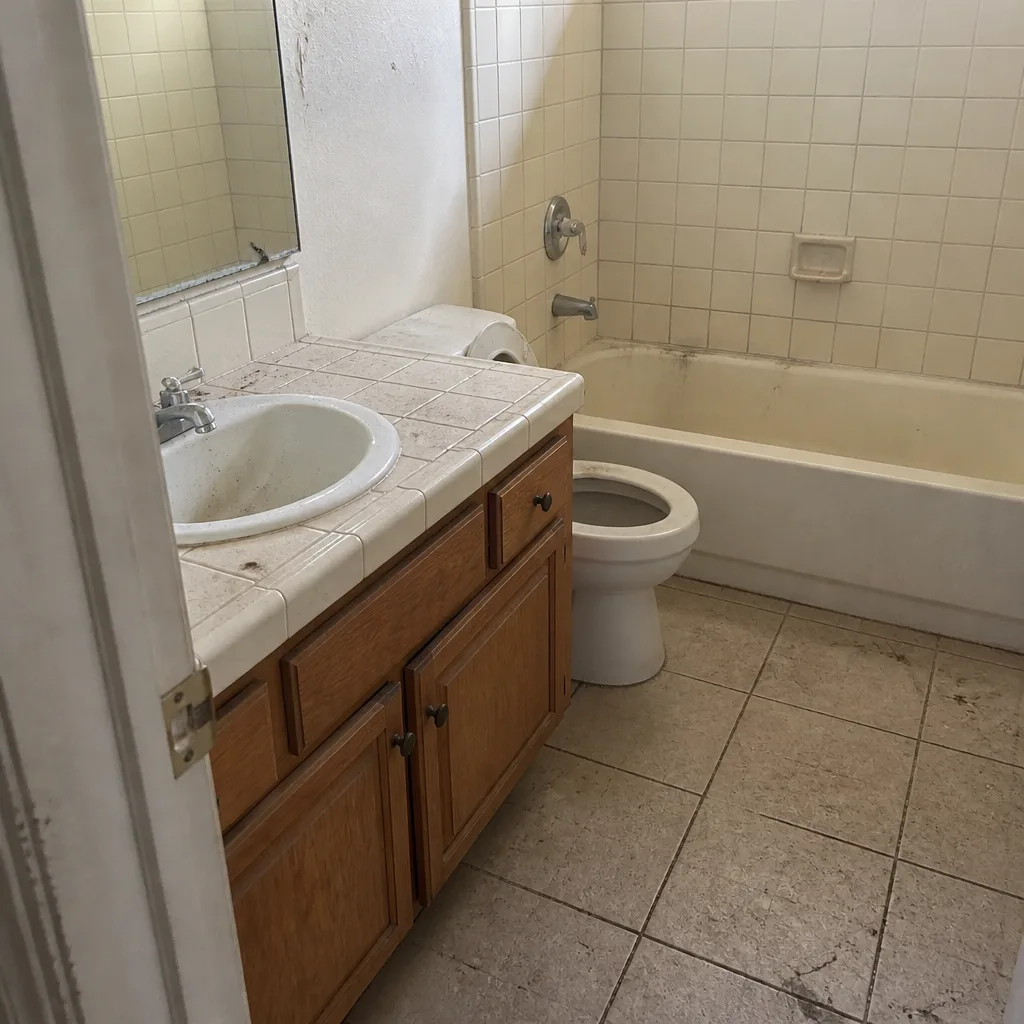
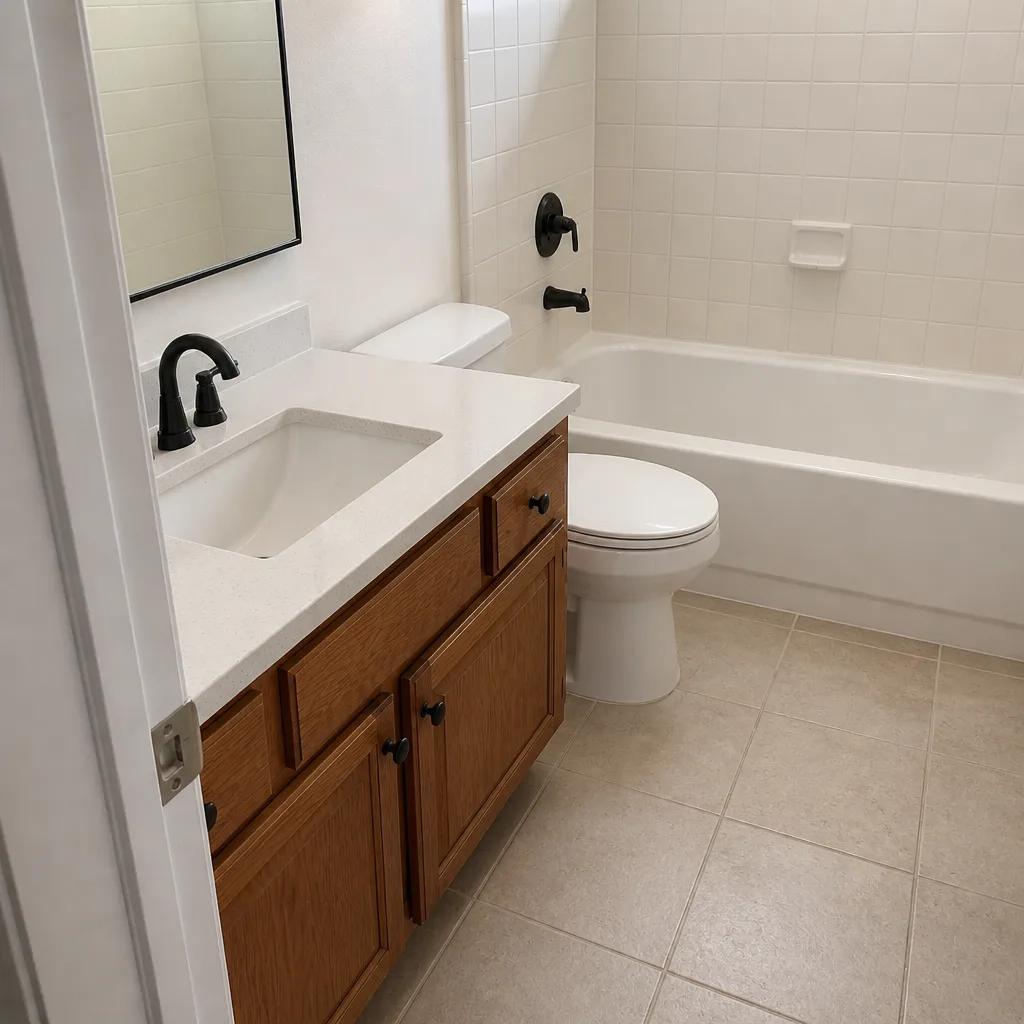
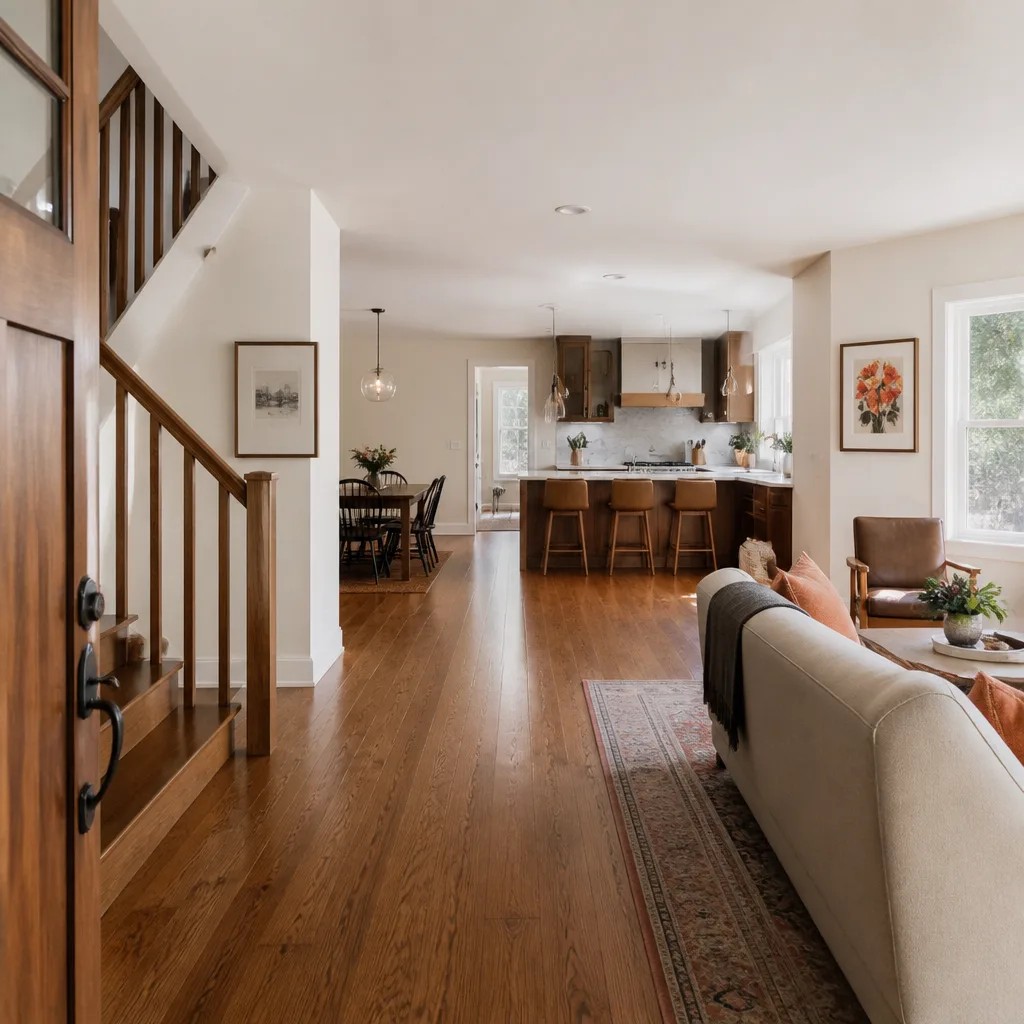
See the difference
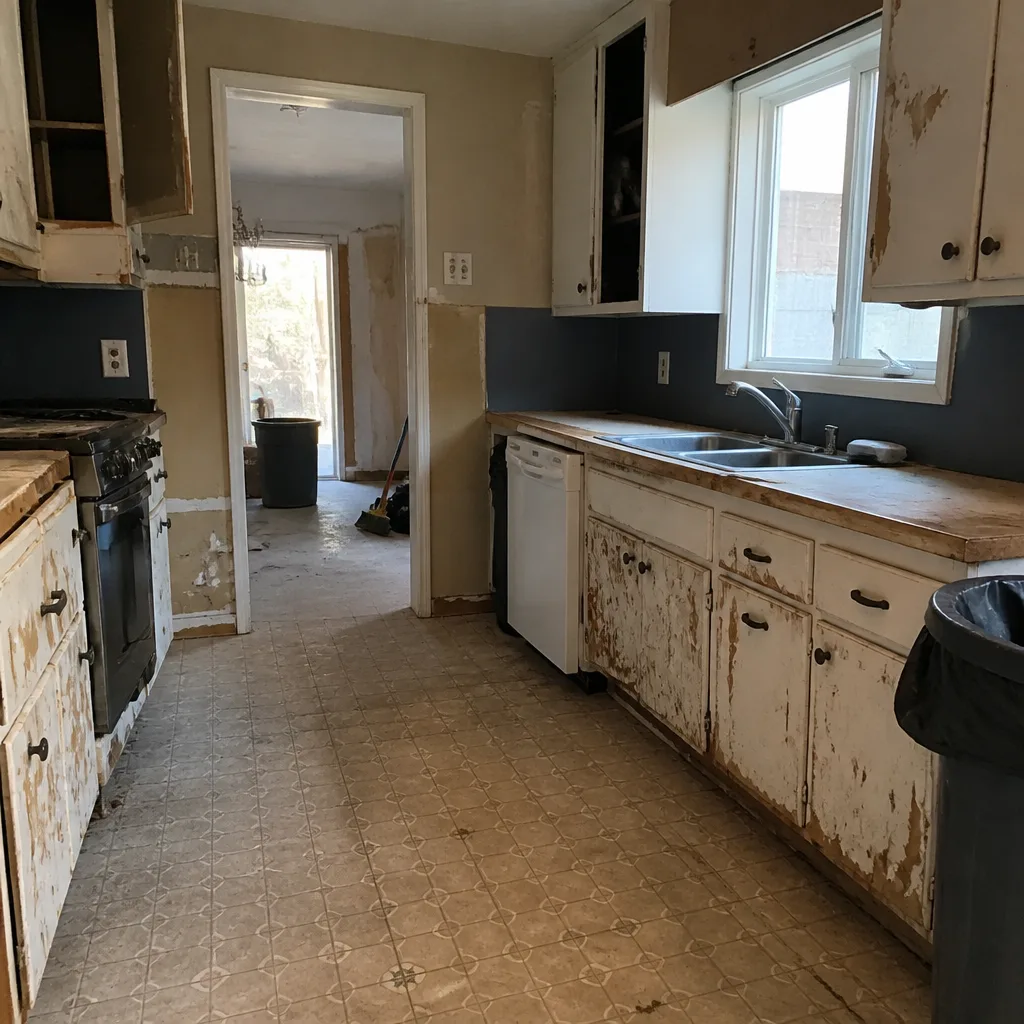 Before
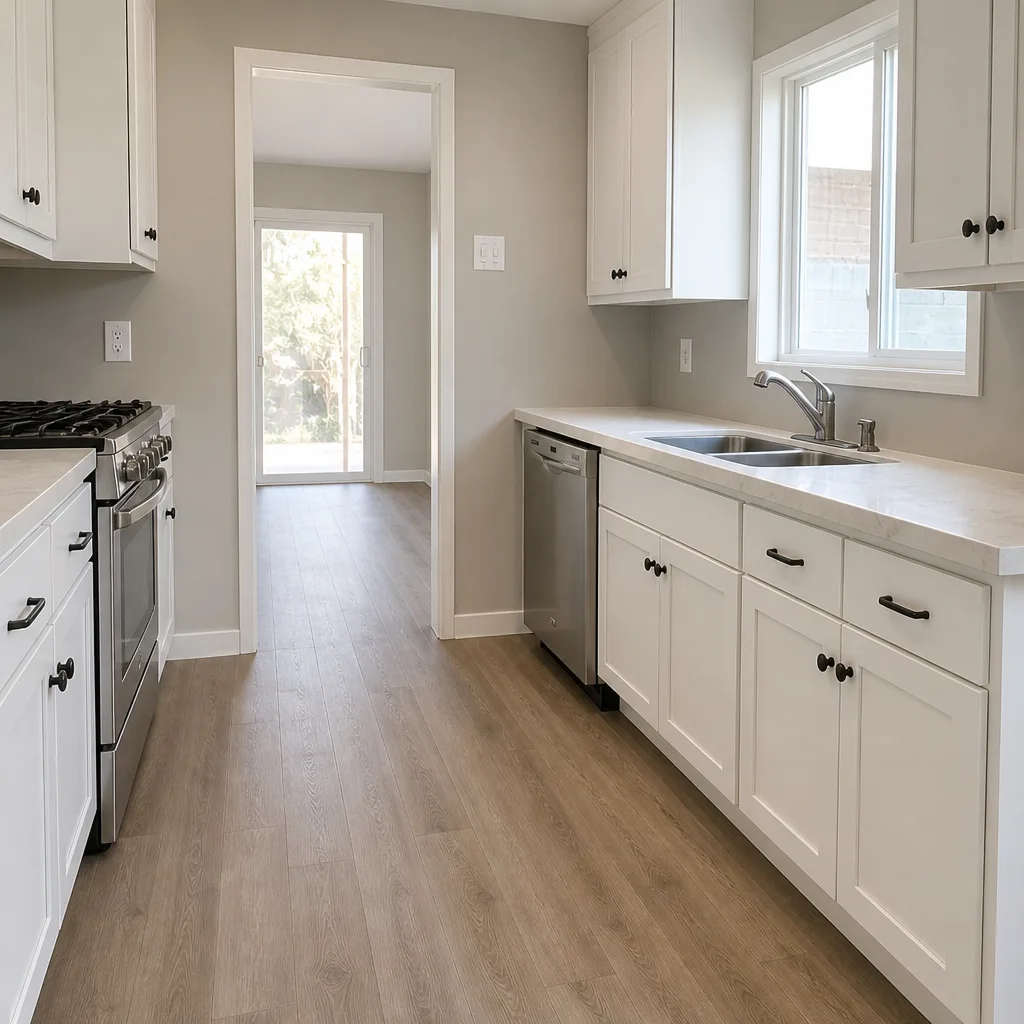 After
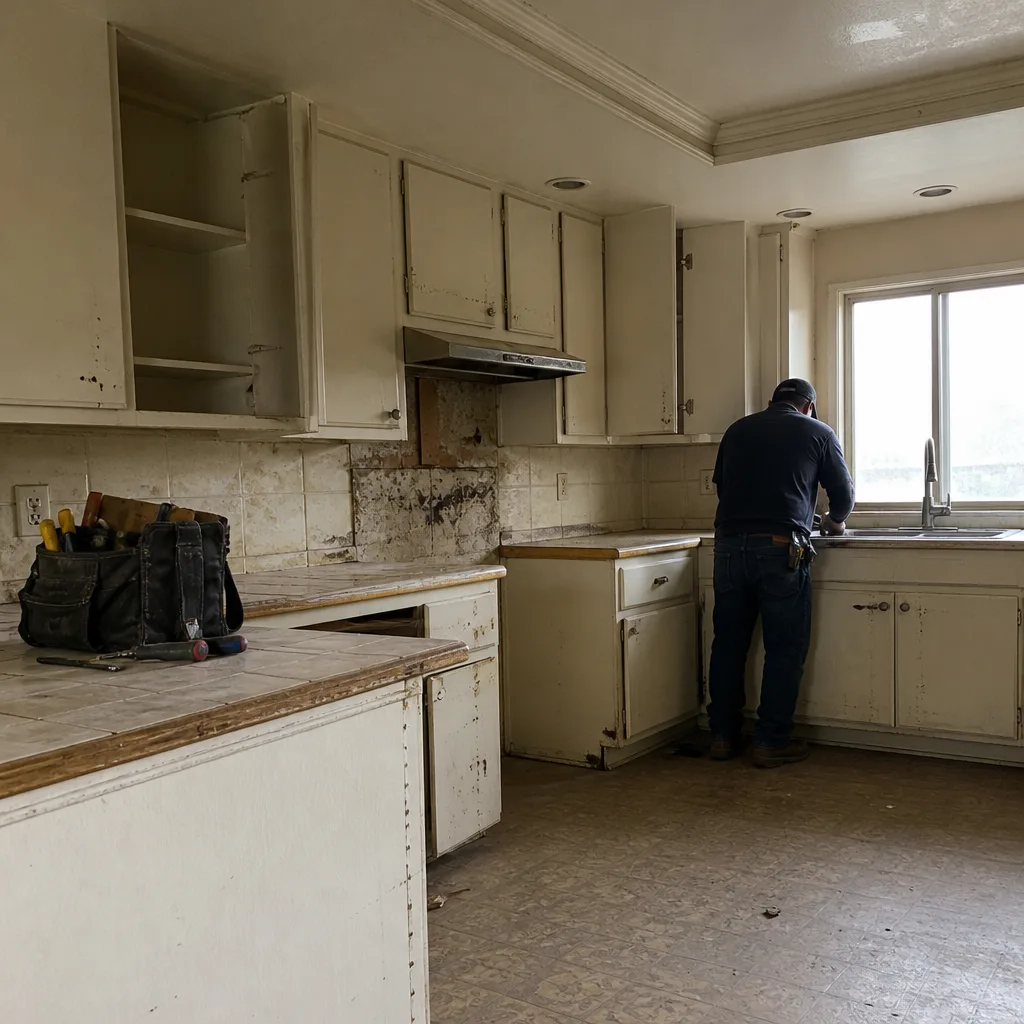 Before
 After
 Before
 After
When to Call a Professional
Every kitchen, bathroom, and whole-home remodel requires a general contractor in Irvine to manage the permits, sequence the trades, and pull the inspection sign-offs. It also requires a licensed professional on any work involving electrical panels, gas lines, structural changes, or plumbing rough-in. Those aren’t jobs for a homeowner with weekend time and enthusiasm; they’re jobs that require licensed trades and inspection coordination.
Call a professional when you’re ready to talk about a written price and a real schedule, not a verbal ballpark. Call when the scope is getting complex enough that multiple trades need to coordinate. Call when you’re tired of a contractor who won’t tell you the permit timeline before the price. Penhallow Remodeling Irvine offers free estimates in Irvine, with a written price before any work starts and a written schedule that includes the permit window. Call (888) 704-4104 to schedule your free estimate.
Frequently Asked Questions
A kitchen remodel in Irvine takes 8 to 14 weeks of construction time once the permit is issued, with a total calendar timeline of 3 to 5 months from contract signing. The main variables are whether the layout changes (moving plumbing or electrical adds time and triggers additional plan review) and how early the special-order cabinetry is ordered. Call (888) 704-4104 for an exact estimate; estimates are free.
Bathroom remodels in Irvine typically run $12,000 to $35,000 depending on size, tile material, fixture line, and whether the layout changes. A powder room or small guest bath can come in closer to the low end, while a primary bath with a full tile shower and quality cabinetry is on the high end. Call (888) 704-4104 for a written line-item price, not a verbal ballpark.
You need a permit from the City of Irvine for any project that touches structure, electrical, plumbing, or gas, and Irvine’s plan review is not something to shortcut. Plan review alone can run 3 to 6 weeks, which is why permit time should be on the schedule before construction begins. We pull the permits and pass the inspections on every job; you should expect the same from any contractor you hire.
The most common reasons are hidden water damage found after demo, a material arriving later than the original delivery date, or an inspection that fails and requires a return trip. None of those should surprise a homeowner when the schedule includes written contingency milestones. When your contractor’s schedule has no contingency section, any surprise becomes a source of friction. Call (888) 704-4104 to see what a schedule with written contingencies looks like.
The price doesn’t change on our projects unless the scope changes and you approve a written change order. The number on day one is the number on the invoice. That’s the whole point of getting the price in writing before any work starts, and it’s how a remodel stays within the budget you planned for. If you’ve been handed a verbal estimate by another contractor, compare it to a written number. Call (888) 704-4104.
No, and any contractor who says otherwise is ignoring the permit sequence. Starting the wrong work earlier doesn’t speed the project; it only delays the inspection. The verified way to shorten total calendar time is to get the plans right before submission so plan review passes the first time, pre-select fixtures and finishes, order long-lead materials early, and keep inspection access clear. Call (888) 704-4104 to talk through what can actually be shortened on your project.
The Bottom Line
Home remodel timelines live or die on three things: permit time, material lead time, and inspection scheduling. Construction itself is usually the shortest part of the calendar. In Irvine, plan review alone routinely adds weeks, and the best way to protect your project is to insist on a written milestone-based schedule that lists permit dates, material order dates, inspection dates, and a contingency for demo discoveries. Whether you’re planning a General Contractor in Irvine project or a whole-home remodel, the schedule is the contract’s most important page. Read the contract with that in mind, and start your search at the Penhallow Remodeling Irvine home page.
Contact

If you want a written price and a written schedule before the first tool comes out of the box, call Penhallow Remodeling Irvine at (888) 704-4104 to schedule your free estimate. Every project gets a written price, a written schedule, background-checked uniformed technicians, and the 365-Day Done Right Promise. We answer the phone 24/7 with a live person, and estimates are free.
Written by the team at Penhallow Remodeling Irvine.