Last updated November 18, 2026





Free written scope consultation - allowances, timeline, and change-order rules on paper before a single trade is scheduled
Home Remodeling Warning Signs Every Homeowner Should Know
A contractor who won’t put a written price in front of you before demo day isn’t hiding incompetence. They’re hiding a business model. That’s the insight that should reframe how you read every bid you get this year, and it matters more than the low number that catches your eye. The loud red flags everyone warns you about (no license, no insurance) usually get caught. The subtler tells happen in the first conversation, weeks before a single cabinet comes off the wall. In Irvine, where remodeling demand runs hot and schedules fill fast, those quiet signals get missed all the time. What follows is what to listen for, what to verify, and what a legitimate written estimate actually contains.
Quick Answer
The most reliable home remodeling warning signs are behavioral, not visual: a contractor who won’t provide a written, line-item price before work starts; who asks no questions about your timeline or permits; who pressures you to sign the same day; and who says “we stand behind our work” without a written duration, scope, and claims contact. Verify any California contractor’s license through the CSLB lookup before you hire, and treat a verbal “rough number” as the single biggest warning sign of all. In our experience across Irvine remodels, the quote that changes at the door was never a quote to begin with.
Styles & brands we work with
- Kitchen remodeling
- Bathroom remodeling
- Home additions & ADU
- Roofing
- Windows & doors
- Driveway & pavers
- Fence
Table of Contents
- The Verbal-Estimate Trap
- What a Legitimate Written Estimate Must Include
- Behavioral Red Flags in the First Meeting
- How to Verify a California Contractor License in Under 90 Seconds
- The Guarantee Question
- Why “We Don’t Need Permits for That” Is a Warning
- Irvine-Specific Signals to Watch
- Reading the Contract Itself
The Verbal-Estimate Trap
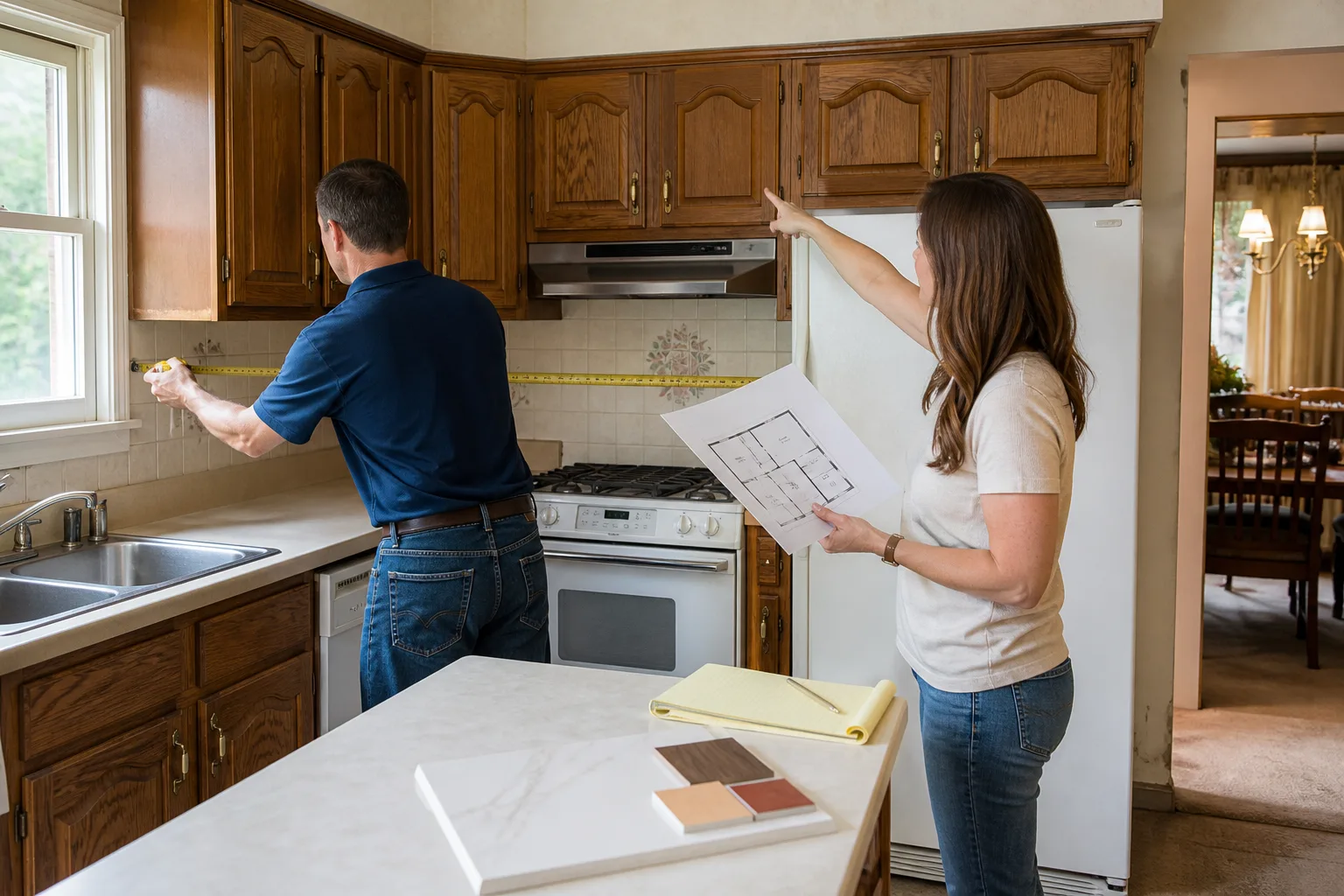
Here’s the counterintuitive part: a verbal estimate that balloons after demo usually isn’t an accident or a miscalculation. It’s the whole point. Some contractors run on a model where the low opening number wins the job, and the real profit gets recovered later through change orders once your kitchen is torn apart and you have no leverage. The number that “changed at the door” was designed to change.
You’ll hear it framed as friendliness. “Don’t worry about paperwork yet, let’s just get a rough number so you know we’re in the ballpark.” That’s the moment to slow down. A ballpark figure you can’t hold anyone to is worth nothing when the walls are open and the crew is standing there waiting for a decision.
What makes this a structural problem rather than a character flaw: a contractor working from a verbal number has no obligation to itemize anything. They can add “unforeseen conditions” charges because there’s no written scope defining what was foreseen. They can reclassify labor that was implied but never priced. And if you object, they can walk, leaving you mid-remodel with a hole where your cabinets were and no contract that says otherwise.
In Irvine, where a lot of the housing stock went up in planned communities during tight building phases, we regularly see surprises behind the drywall – older plumbing rough-ins, framing that doesn’t match the plan set. A legitimate contractor prices for the possibility and tells you in writing what happens if it turns up. A contractor running the verbal model treats those surprises as a payday. The difference shows up in the first phone call, not the last invoice.
What a Legitimate Written Estimate Must Include
A written price before work starts is the single standard every homeowner should demand. But not all “written” is equal. A one-line quote on a business card is technically written and legally allows enormous room to charge you additionally. Here’s the difference between a number and a real estimate.
A proper written estimate for a kitchen remodeling project in Irvine should contain, at minimum:
- A line-item breakdown of labor and materials, not a single lump sum. You should be able to see what the cabinetry costs versus the install labor versus the countertop fabrication.
- Named product lines and models. “Cabinets” means nothing. Naming a KraftMaid or Wellborn line tells you what grade you’re buying and lets you compare bids fairly.
- A defined scope listing what’s included and, just as important, what isn’t. Exclusions written down are how a fair price stays fair.
- A change-order process. In plain terms: how unexpected findings get priced, approved by you, and documented before the work continues.
- Payment schedule tied to milestones, not a large deposit before any material arrives.
- A start window and a duration, with the arrival window defined.
- The guarantee in writing, including what it covers and how long it lasts.
When those seven things are on paper, you can hold a contractor to them. When they aren’t, the number on day one and the number on the invoice may as well come from two different companies. A contractor who gives you a fixed written price with no change orders – the number you see up front is the number you pay – has nothing to hide and everything to gain from quoting accurately.
Behavioral Red Flags in the First Meeting
Pay attention to what the contractor doesn’t say. Silence in the right places tells you more than a polished sales pitch ever will. These are the tells we’ve watched buyers recognize too late, and each one points to the same underlying pattern.
- No questions about your timeline. A real contractor needs to know your move-in date, your work-from-home schedule, and when the material orders have to land. A contractor who only talks is selling, not planning.
- No mention of permits. If permits never come up in the first conversation for a job that clearly needs them, they’ve either decided to skip them or don’t want the inspection on record. Both are your problem later.
- Pressure to sign the same day. Discounts that “expire tonight” or slots that “won’t last” are sales tactics, not construction realities. A fair price tomorrow should be a fair price next week. No honest remodeler needs a countdown timer.
- They can’t tell you who handles a warranty claim. “We stand behind our work” without a named process means nobody owns the fix.
- They answer “when?” with “soon.” A real arrival window is a specific time block. “We’ll get there when we get there” becomes “we’ll finish when we finish.”
- They dodge questions about other jobs. A contractor who won’t talk about what they’ve done recently, or who gets defensive when you ask to see a finished project, is telling you something.
The common thread is that all six cost you money not at the estimate stage but months later. That’s why the first meeting matters so much. It’s the cheapest moment in the whole project to walk away.
How to Verify a California Contractor License in Under 90 Seconds
You don’t need a background in construction to check a license. You need about a minute and a half and the California State License Board (CSLB) lookup tool. This is not a step to skip because the contractor seems trustworthy. Every legitimate contractor expects it.
- Go to the CSLB website and open the license lookup. It’s free and public.
- Search by the contractor’s license number or business name.
- Confirm the license status reads “Active” and the classification matches the work. For general remodeling work, that’s typically a Class B general building contractor license. Class C-39 is drywall, C-54 is tile, and individual licensed trades carry their own classes.
- Confirm the business name on the license matches the name on your contract. This catches the bait-and-switch where a licensed name fronts for an unlicensed crew.
- Check the bond and workers’ compensation status. If the business runs employees and the listing shows no coverage, ask why in writing.
What the classifications actually mean for remodeling: a Class B is licensed to take a project on and manage multiple trades – a whole-home remodel, an addition, a full kitchen and bath renovation. Individual trade licenses are scoped to their trade. If you hire a C-39 drywall contractor to run your entire bathroom remodeling project in Irvine, you’ve hired someone licensed for the walls, not the plumbing, electrical, and tile coordination. That’s a legitimate reason for a licensed contractor to be general, and it’s a real warning sign when the paperwork doesn’t line up with the job description.
The Guarantee Question
“We stand behind our work” is the most repeated and least meaningful sentence in remodeling. It has no duration, no scope, and no named person who answers the phone when something fails. A real guarantee has three parts, and if any one is missing, you don’t have a guarantee – you have a phrase.
- A written duration. How long does coverage last? A stated period you can point to beats a promise that expires the moment the final check clears. Our own standard is a 365-Day Done Right Promise – if the work fails inside that window, we come back and fix it at no charge, and that’s on paper before work starts.
- A written scope of coverage. What specifically does it cover? A leaking faucet, a tile that pops, a cabinet door that sags, a seam that opens. Vague coverage means every claim becomes a negotiation about whether it’s “covered.”
- A named claims contact and process. Who do you call, and how fast does someone show up? A free return visit with no service call fee is what makes a guarantee real. If the answer is a service fee just to look at it, the guarantee is theater.
Layer on the manufacturer side of the equation. When a contractor installs Cambria quartz or Silestone, those products carry their own manufacturer warranty on the material itself. The contractor’s written guarantee and the maker’s warranty together form the actual protection behind your countertop. A contractor who can’t explain both layers clearly is a contractor who hasn’t thought about what happens after they leave.
Why “We Don’t Need Permits for That” Is a Warning
In Irvine, and across Orange County more broadly, permits and inspections protect you in two places: safety and resale. A bathroom or kitchen remodel that moves plumbing, adds electrical, or alters structure generally needs a permit. A contractor who waves that off with “we don’t bother with that for this kind of job” is handing you a future problem.
Why it hits you specifically: when you go to sell that Irvine home, the buyer’s inspection and the city’s records will surface unpermitted work. You may be asked to retroactively permit it, tear it out, or credit the buyer. An unpermitted addition or remodel can stall a sale. The contractor who skipped the permit is long gone, but the cost lands on you. A proper contractor pulls permits and passes inspection on projects that require it – and has no reason not to say so in writing. Ask the question directly: “Will this job need permits, and will you pull them?” The way the contractor answers tells you a lot. Silence or a shrug is a warning. A clear “yes, and here’s how it works” is what you want to hear.
Irvine-Specific Signals to Watch
Irvine has particular characteristics that make the wrong contractor expensive. The market moves fast, so crews get stretched. A contractor who’s overbooked and can’t honor a written arrival window will still accept your job and then disappear for two weeks waiting for a window that never quite opens. Ask when they can realistically start – not the earliest possible date, but the date they’ll actually commit to in writing.
The local housing stock matters too. Irvine’s planned-community development means many homes have consistent construction, but individual remodels and upgrades vary widely. A contractor who shows up assuming a uniform layout and doesn’t ask about your specific home’s age, previous work, or prior remodels is a contractor who will find “unforeseen conditions” the moment demo starts. In our experience running Irvine remodels, we’ve seen plenty of jobs where a previous owner’s DIY plumbing, secondhand flooring, or bypassed permit creates the first real surprise. A written estimate that anticipates possible behind-the-wall conditions – and documents how they’ll be priced – keeps the project predictable for you.
Irvine’s climate is a smaller factor than snow-country markets, but it’s still worth knowing. Dry, warm seasons mean moisture trapped behind a new tile install can show up as movement or mold months later; slab and substrate prep for flooring and wet areas should always be part of the written scope, not an afterthought. A contractor who treats prep as optional is one who’ll be back for a “repair” that your written guarantee should have covered. If you’re planning a whole-home scope rather than a single room, our general contractor in Irvine page explains how a written, phased plan keeps a bigger job from drifting.
Reading the Contract Itself
The contract is where all the earlier signals either hold or fall apart. A few things to verify before you sign anything – not the least of which is that the price you saw is the number that shows up on the signature page.
- The price section matches the estimate. If the number moved between the estimate and the contract, ask why in writing. A legit move has a stated reason – a sub not included, a product upgrade you agreed to. A quiet bump with no explanation is not.
- The scope of work is itemized and matches the estimate, line for line.
- The payment schedule is milestone-based. A large upfront deposit before any product is ordered is a warning, not a standard.
- The start window and duration are stated. “TBD” is not a schedule.
- The guarantee language is present and names its duration, scope, and claims contact.
- The change-order clause is clear. Nothing gets done beyond the written scope without your written approval.
If any of these are missing, the practical move is simple: don’t sign. Ask for the written revisions, and watch how the contractor reacts. A professional will gladly put it in writing because it protects the project. A contractor running the verbal model will find a reason not to.
Common Mistakes to Avoid
- Choosing on the low bid alone. In a competitive market like Irvine’s, the lowest number is often the low verbal model – the price you see is only the opener. Compare line items, not lump sums.
- Accepting a “ballpark” number. A verbal ballpark with no written scope is the single biggest cost driver in the whole project. Insist on paper before you get excited about a number.
- Skipping the CSLB check. Even when the contractor feels trustworthy, ninety seconds on the license lookup can catch a mismatched business name or a lapsed bond before you sign.
- Assuming “written” means complete. A one-line quote is written. It’s not an estimate. Make sure the written document actually itemizes.
- Not asking about permits up front. Unpermitted work in Irvine can block a future sale. Ask the question before signing, not after demo.
- Accepting “we stand behind our work” as a guarantee. No duration, no scope, no claims contact means it isn’t one. Get the three in writing.
- Letting pressure to sign the same day rush you. A fair price is a fair price next week. Anyone trying to lock you in tonight is telling you what to think about their other jobs.
See the difference
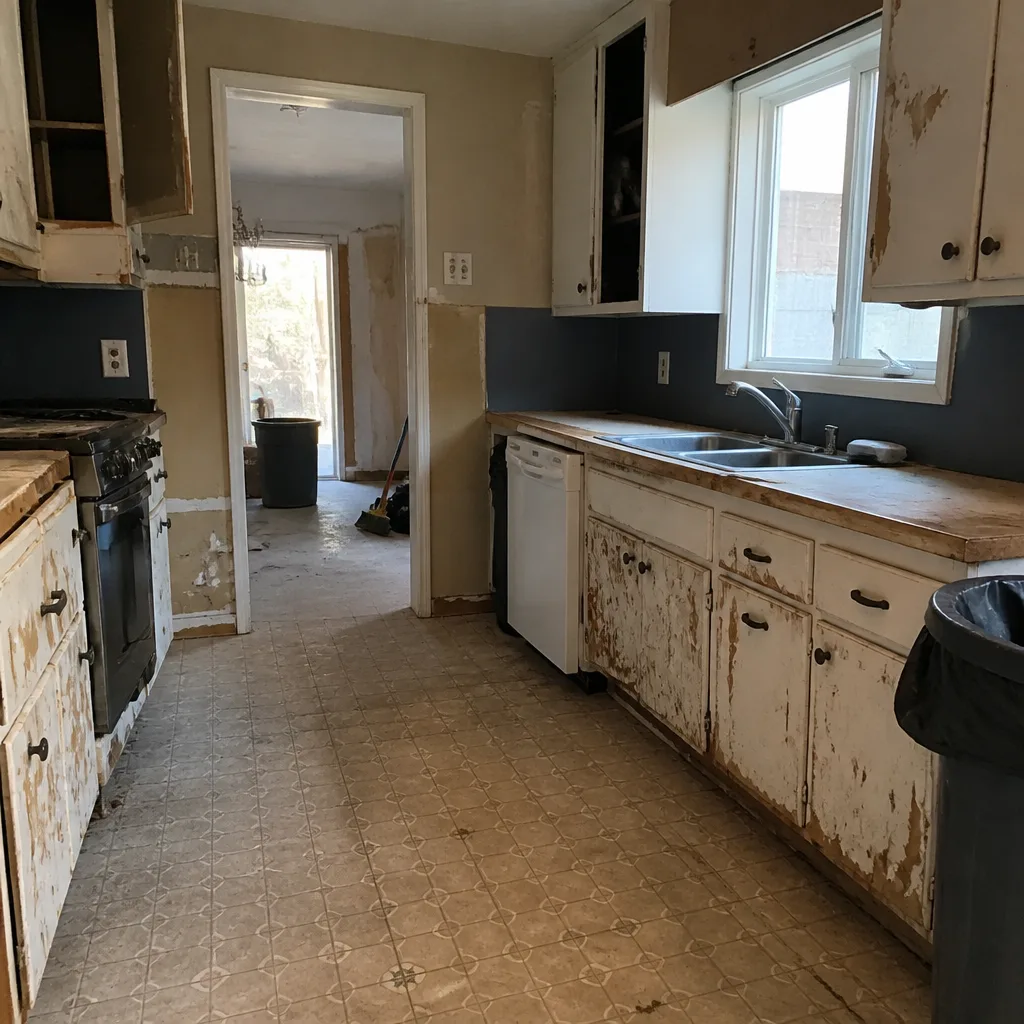 Before
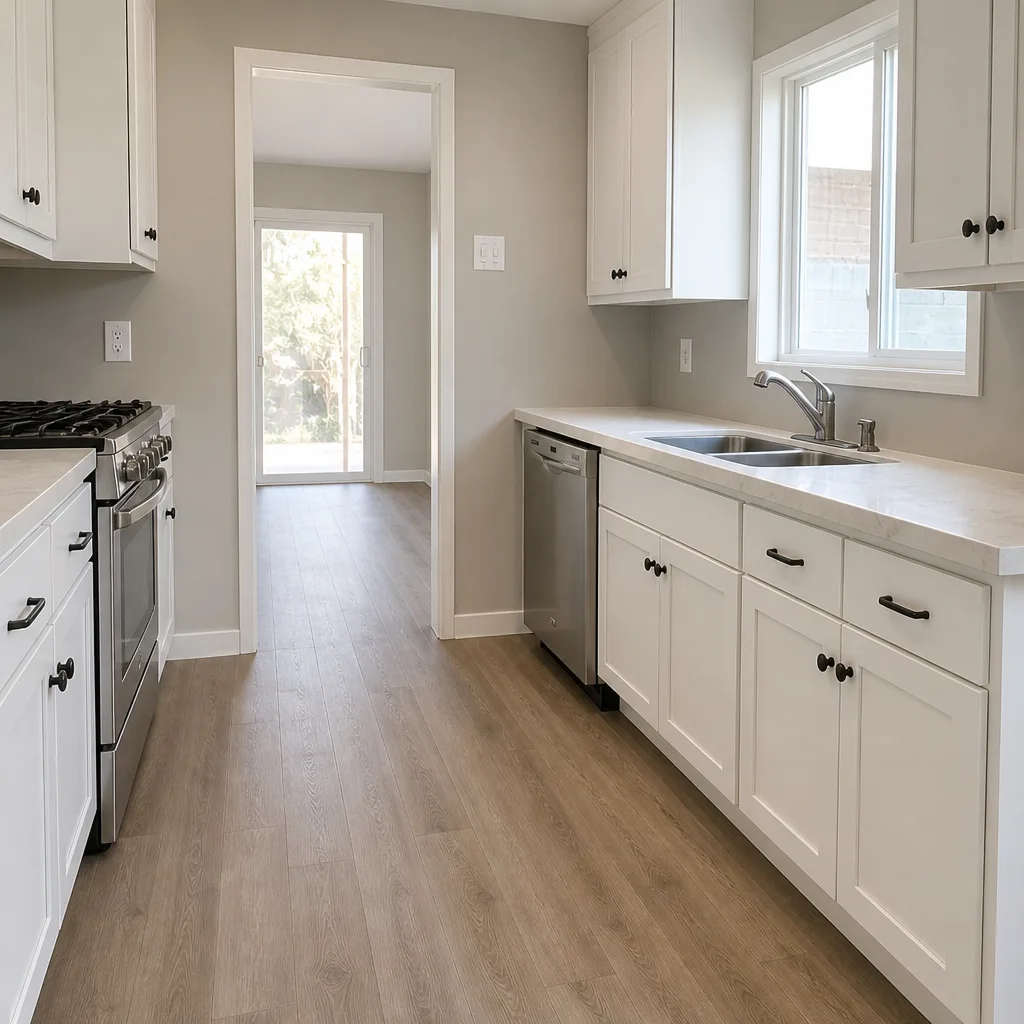 After
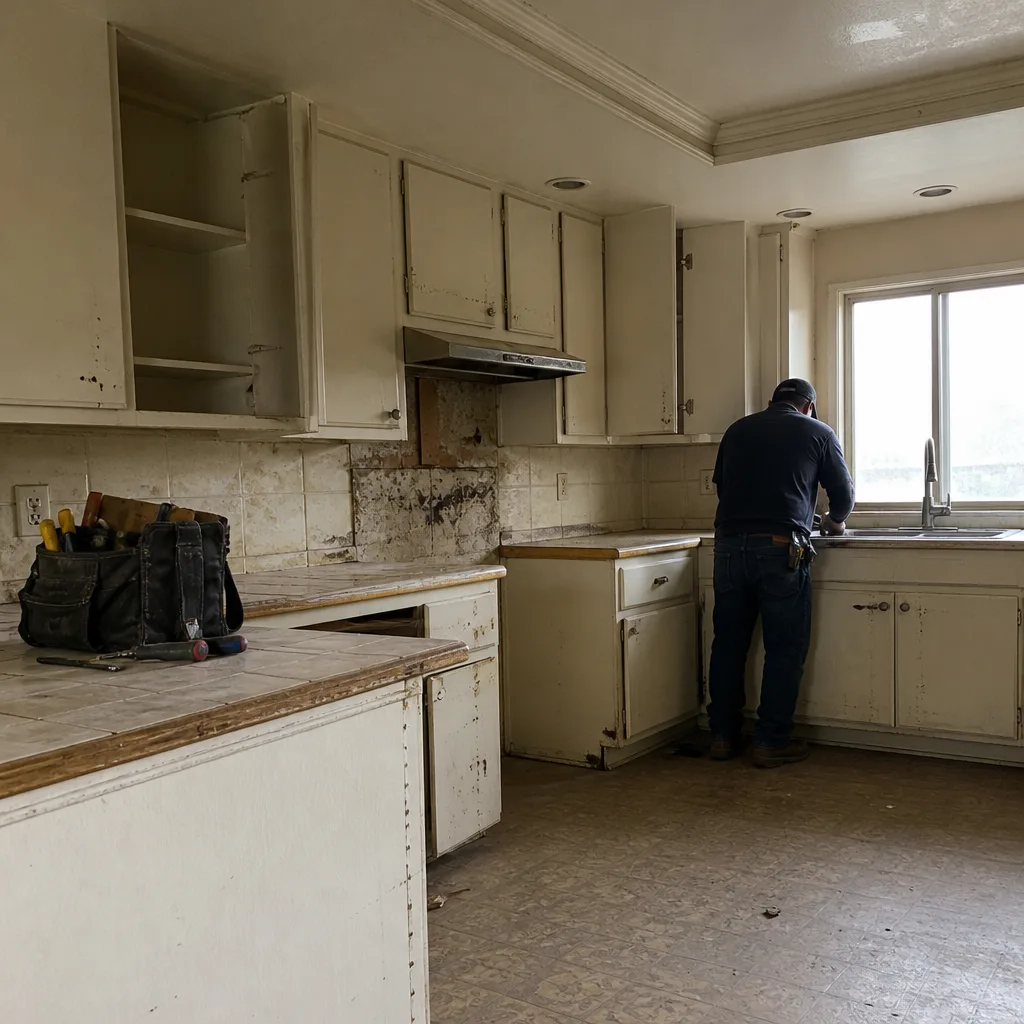 Before
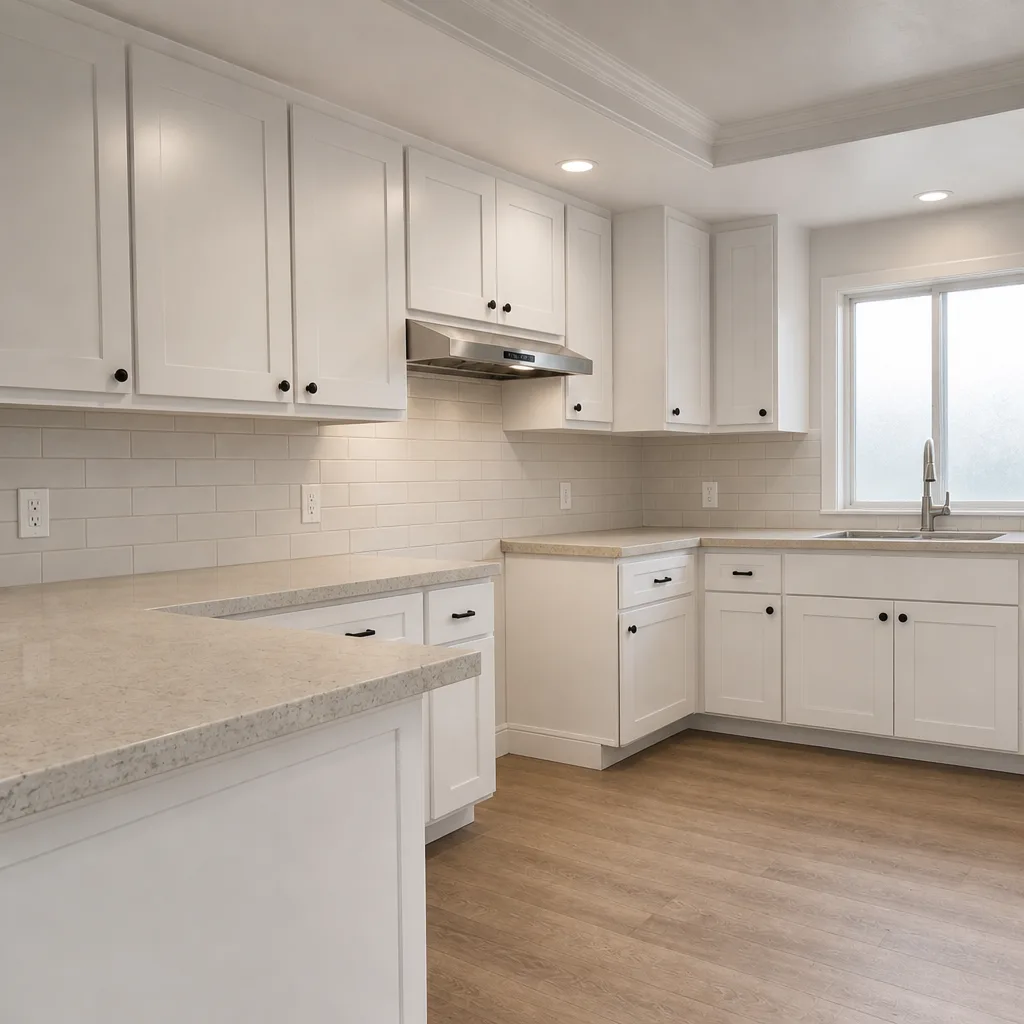 After
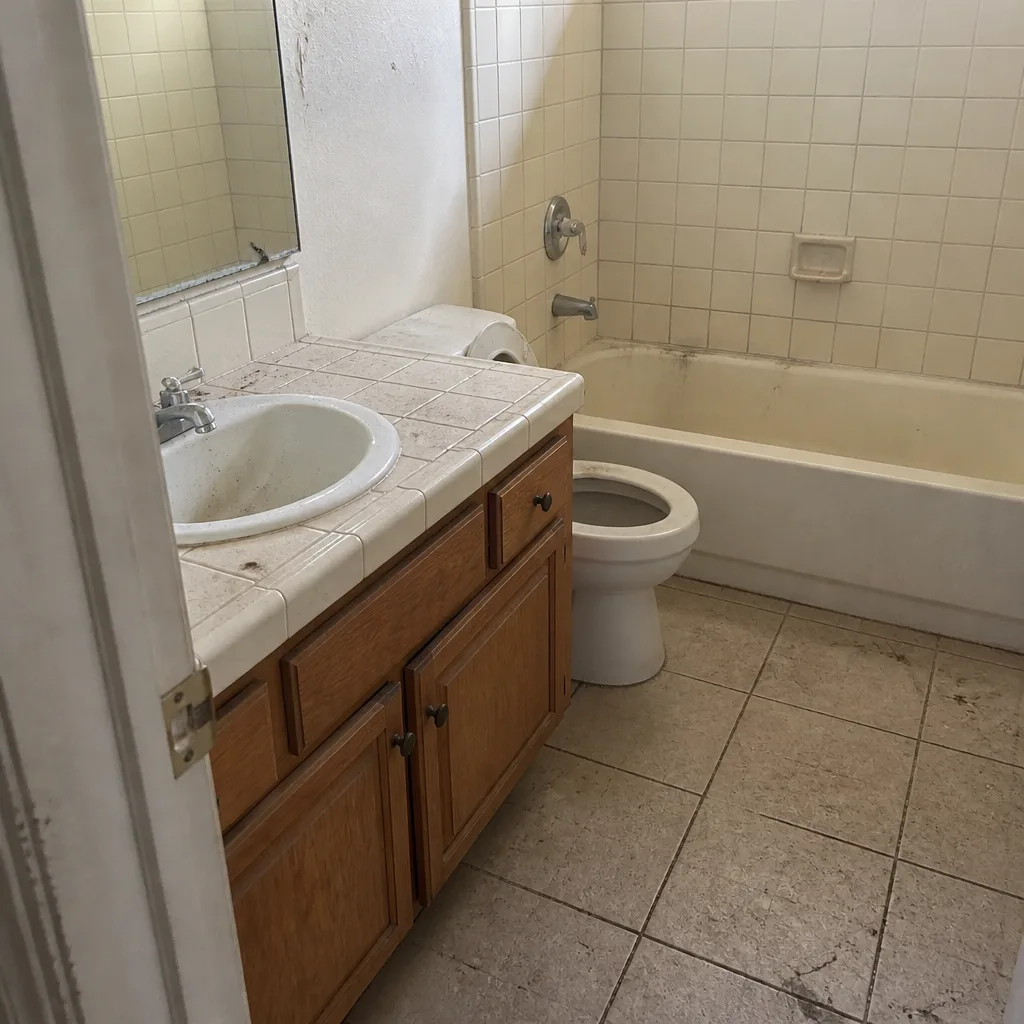 Before
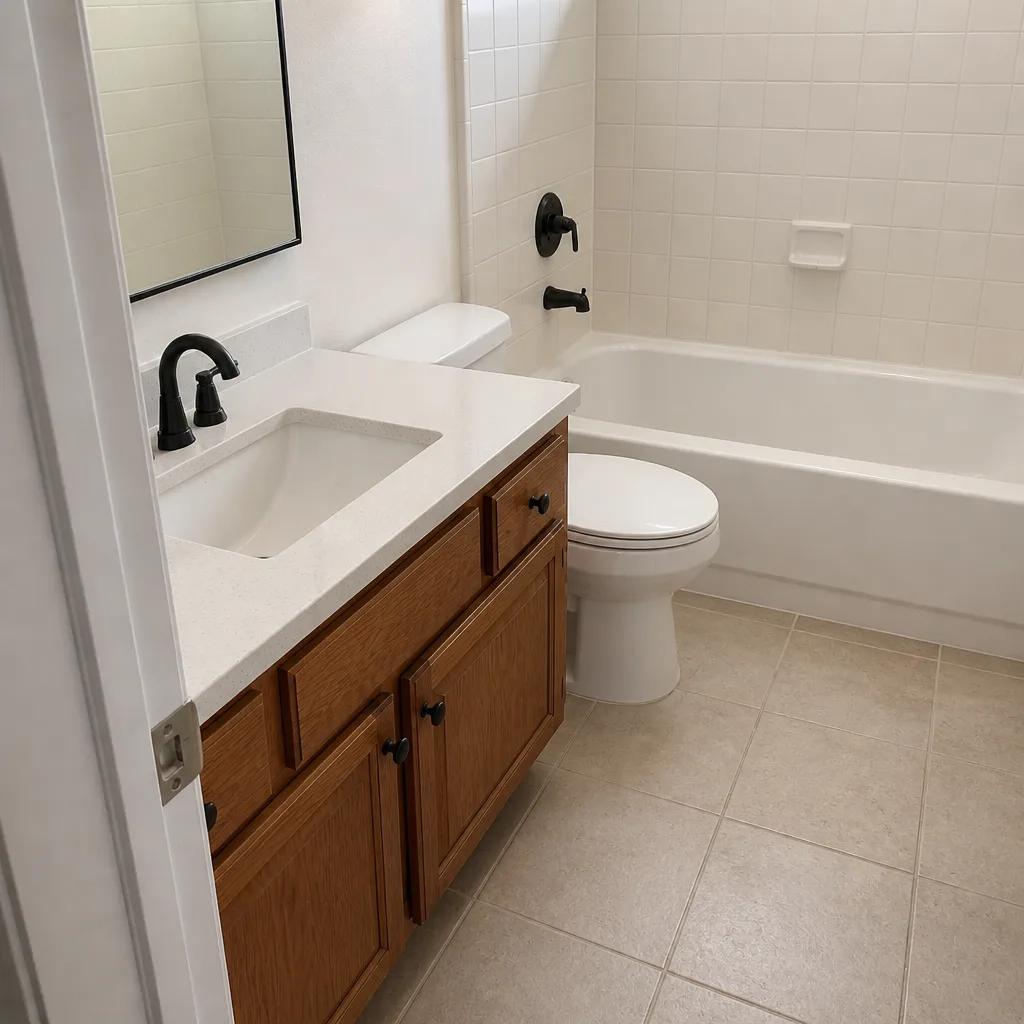 After
When to Call a Professional
Some projects you can handle yourself with a weekend and a borrowed drill. A Penhallow Remodeling Irvine home remodeling project is generally not one of them, and the moment to call a professional is before the walls open, not after. Call us when there’s structural work involved, when the plumbing or electrical has to move, when tile and waterproofing meet in a wet space, when permits and inspections will be required, when you’ve lived through one bad contractor and don’t want a second, or when the job spans a kitchen and a bath and needs someone managing the schedule and the trades. Our technicians have up to 22 years of experience, are background-checked and arrive in uniform, and we put the price and the guarantee in writing before any work starts. Penhallow Remodeling Irvine offers free estimates in Irvine – call (888) 704-4104.
Frequently Asked Questions
The biggest red flag is a refusal to provide a written, itemized price before work starts. A verbal “rough number” that changes once demo begins isn’t a mistake – it’s a business model, and it leaves you with no leverage mid-project. If you can only screen for one thing, screen for paper. Call (888) 704-4104 for a free written estimate – it’s the standard we hold ourselves to.
Kitchen remodels in Irvine typically run $18,000-$55,000 depending on layout, cabinet line, and countertop material, while bathroom remodels generally land in the $9,000-$30,000 range depending on size and finishes. The variables that move the number most are cabinet grade (a KraftMaid line versus a stock cabinet), countertop material (a Cambria quartz versus a laminate), and whether plumbing or electrical has to move. Call (888) 704-4104 for an exact written quote – estimates are free.
Use the California State License Board (CSLB) online lookup – it’s free, public, and takes about 90 seconds. Confirm the license status is “Active,” that the business name on the license matches your contract, that the classification fits the work (typically a Class B for whole-home remodeling), and that bond and workers’ comp status are current. If the paperwork doesn’t line up with the job, ask in writing why.
On a properly written estimate, no – the number on day one should be the number on the invoice. Some projects surface genuine surprises behind the walls, but those should be handled through a written change-order process you approve before any extra work continues, not through a silent bump at the end. A fixed written price with no change orders is the standard to ask for. Call (888) 704-4104 to get yours.
Yes, for most remodels that move plumbing, add electrical, or alter structure – Irvine projects that touch those areas generally require permits and inspection, and a legitimate contractor will pull them. Skipping permits can stall a future home sale when a buyer’s inspection or the city’s records surface the unpermitted work. Ask directly: “Will you pull the permits?” A clear yes in writing is what you want to hear.
A real guarantee has three parts in writing: a stated duration (ours is a 365-Day Done Right Promise), a defined scope of what’s covered, and a named claims process – including whether the return visit is free. “We stand behind our work” without those three things isn’t a guarantee. Ours is included in writing on every project, with a free second visit if a repair fails. Call (888) 704-4104 to see what that looks like before you hire.
The Bottom Line
The warning signs that actually cost Irvine homeowners money live in the first conversation, not at the job site. A written itemized price, a CSLB license that matches the business and the work, permits pulled and inspections passed, and a guarantee with a stated duration, scope, and claims contact – those four things separate a contractor who’s running a business from one running a game. A verbal number that changes at the door isn’t the sign of a struggling contractor; it’s the sign of a business model designed to recover the lost profit after your kitchen is open. The low bid is rarely the cheap one. Understand which warning signals mean stop and which mean ask again in writing, and you’ll make every Irvine remodel safer for yourself before you sign.
Penhallow Remodeling Irvine gives you a written price on day one, a defined arrival window, background-checked and uniformed technicians, and the 365-Day Done Right Promise on every project – plus a live person answering the phone 24/7. You get the same standard no matter which room you’re tackling: kitchen remodeling in Irvine, bathroom remodeling in Irvine, or a full general contractor in Irvine scope. Call (888) 704-4104 today for a free estimate, and let’s get the number and the guarantee in writing before a single cabinet is pulled.
Written by the team at Penhallow Remodeling Irvine.