Last updated November 18, 2026








Free written scope consultation - allowances, timeline, and change-order rules on paper before a single trade is scheduled
DIY vs Professional General Contractor: What’s Safe to Do Yourself
California law lets you pull your own permits and act as your own general contractor on your own home. That sounds like freedom until you learn what the county records do with that choice. The permit gets stamped “owner-builder,” and that single designation can complicate escrow years later when a buyer’s lender asks who built the addition. What follows is a guide to the legal line, not just the skill line. You’ll learn which projects California’s building code exempts from permits entirely, which ones the City of Irvine adds its own rules to, and where the math stops favoring DIY. We’ll mention Irvine often, because the local amendments here are not the same as they are in Los Angeles or San Diego.
Quick Answer
In California, you can legally do without a permit only the small stuff: painting, flooring over existing floors, cabinets, fences under seven feet, and similar cosmetic work. Anything structural, electrical beyond swapping a fixture, plumbing beyond a fixture swap, or gas-related needs a permit, and on a panel upgrade, load-bearing wall, gas line, sewer lateral, or structural deck, the work effectively requires a licensed contractor no matter how capable you are. In Irvine, pulling your own permit flags the property as “owner-built” in county records, and if you sell within a year of completing the work, you must give the buyer written notice.
Styles & brands we work with
- Kitchen remodeling
- Bathroom remodeling
- Home additions & ADU
- Roofing
- Windows & doors
- Driveway & pavers
- Fence
Table of Contents
- What “Owner-Builder” Actually Means in California
- What’s Exempt From Permit Under California Law
- What Irvine Adds to the Exempt List
- Skill vs. Liability: The Real Reason to Hire a GC
- Five Jobs California Effectively Requires a Licensed Contractor For
- The Hidden Cost Math: When DIY Costs More
- How the Irvine Permit Process Works
- Common Mistakes to Avoid
What “Owner-Builder” Actually Means in California
When you pull a permit on your own home without a licensed contractor, you sign an owner-builder declaration. That declaration carries real legal weight, and most homeowners never read the fine print. Under California Business and Professions Code Section 7044, owner-builders must disclose the work in writing to a buyer before a sale, and the specific rule is this: if you complete permitted work as an owner-builder and sell the property within one year, you owe the buyer a written statement that you performed the work yourself and that it was done without a licensed contractor. Skip that statement and the buyer can come back after you with remedies.
The disclosure isn’t the only consequence. The county records the last permitted work under your name, not a contractor’s. When you later refinance or sell in Irvine, and the buyer’s lender pulls permit history, the owner-builder stamp raises a question: was the work done to code, or was it done by a confident homeowner? On a standard tract home in Woodbridge or Northpark, that question is usually harmless. On anything that looks structural, the lender may ask for a licensed contractor’s inspection, and that cost lands on you.
We’ve fielded plenty of calls from Irvine homeowners trying to price a renovation, and the ones who regret DIYing a permit are the ones who didn’t realize that “I did it myself” is a permanent public record. Our General Contractor in Irvine team handles the paperwork side, so the county sees a licensed contractor and a clean job file.
What’s Exempt From Permit Under California Law
The California Building Code (Title 24, Part 2, Section 105.2) lists a specific set of projects that don’t require a permit. That list is shorter than most homeowners assume. Here’s the practical version, focused on what applies to a house in Irvine:
- Interior and exterior paint, wallpaper, and tile applied over a sound existing surface
- Flooring installed over an existing floor, as long as it doesn’t involve cutting into the subfloor
- Cabinets, counters, and refacing that don’t touch the plumbing, gas lines, or electrical
- Dishwasher and washer/dryer replacement where existing wiring and plumbing are unchanged
- Fences under seven feet tall, concrete flatwork that isn’t a structural slab, and retaining walls under four feet
- Replacing same-size windows when it’s a one-for-one swap with no framing change
- Small roof repairs, gutter and downspout replacement, and siding repair that doesn’t affect structure
Everything else falls on the other side of the line. The confusion comes from the word “repair.” A new faucet is exempt. Swapping the water heater in your Peninsula Park garage to a tankless unit isn’t, because it’s a gas appliance change and triggers the exhaust venting rules. The distinction is whether the work alters a system that’s governed by code.
We’ve watched homeowners start a Saturday project with a clear head and stop by 2 p.m. once they read Section 105.2. If the project you drew up isn’t on the exempt list, that’s the signal to look up the permit requirement before you lift a tool.
What Irvine Adds to the Exempt List
Irvine’s local amendments to the state code tighten things. The city requirements apply to projects that would otherwise be exempt in a neighboring city like Tustin, which matters if you’re comparing notes with a friend.
Ground-mounted solar and battery energy storage
Ground-mounted installations sit outside the usual exemption for rooftop solar, so the local amendment here makes the permit process apply. This one trips up homeowners who assumed an electrician’s sign-off was enough.
Water heater replacement and relocation
Swapping a like-for-like water heater in the same location is permitted, but replacing with a different fuel type or relocating the unit requires a permit and an inspection. In Irvine, the inspection covers venting and seismic strapping.
EV charger installations
Adding a Level 2 charger in your garage probably needs a permit depending on the existing panel capacity and circuit. A dedicated 240-volt circuit triggers review, and if your panel can’t carry the load, it becomes a panel upgrade question (see below).
Fences and retaining walls
The state exemption for fences under seven feet and retaining walls under four feet still holds in Irvine, but height measured from the finished grade on a slope is a gray area. If your property sits on a slope in Turtle Rock, the measurement runs from the low side, which can push a “short” wall over the threshold.
The takeaway is this: the state’s exempt list is a starting point. The City of Irvine adds rules. Always check with the building division before you buy materials for anything on the edge of that list.
Skill vs. Liability: The Real Reason to Hire a GC
Homeowners usually frame the DIY decision as a skill question. Can I do it? That’s the wrong frame. The right frame is whether it needs a licensed contractor to pull the permit at all, and even when you’re allowed to hire nobody, what’s the liability load you’re accepting by doing it yourself?
There’s a set of work that’s well within the skill of a careful homeowner but still needs a licensed contractor for a different reason: the permit requires a license to pull it legally. A homeowner can pull a permit as an owner-builder, but if the project involves a specialty trade (gas, electrical, structural), the inspector will look for the licensed contractor’s name on the trade portion. Some jurisdictions in Orange County won’t accept an owner-builder permit for certain scopes, and Irvine is stricter than most.
- Skill-based: tile layout, cabinet installation, painting, drywall patching, baseboards, fixture swaps
- Liability-based: electrical panel work, gas lines, load-bearing changes, structural framing, sewer laterals, anything the code treats as a system alteration
- Both: bathroom and kitchen remodels, where plumbing and electrical permits ride on a project that also has a sizable cosmetic component
That third category is where most Irvine homeowners get stuck. A Bathroom Remodeling in Irvine project looks like tile and vanity work. It usually isn’t. Moving a shower drain two feet means a plumbing permit, and the trades underneath don’t come in one Saturday-evening shift.
Five Jobs California Effectively Requires a Licensed Contractor For
These are the projects where the law and the code both point one direction. A homeowner can pull a permit as owner-builder, but the inspection requirements and trade licensing mean the job needs a professional in the loop.
- Electrical panel upgrades. Replacing a 100-amp main panel with a 200-amp service requires a new grounding system, updated bonding, and a utility disconnect. The inspector wants a licensed electrician’s signature on the trade portion. This is also one of the genuinely dangerous jobs in the code book; arc flash and backfeed risk aren’t DIY-grade.
- Load-bearing wall removal. Removing a wall that carries roof or floor load requires an engineered beam, a stamped drawing, and a structural permit. In Irvine, take out a wall in a 1960s Ranch-style home in El Camino Real without checking, and you’ll find the trades behind it in short order.
- Gas line work. Any gas piping alteration, new appliance connection, or line relocation requires a plumber licensed for gas work. The leak-test protocol after installation is the kind of thing you don’t want to learn on a Saturday.
- Sewer lateral replacement. Replacing the main line from the house to the street involves trenching, inspection, and coordination with Irvine’s public works, and the city ties the permit to the property. This is a big one for older homes in the area.
- Structural deck framing. Decks carry people. The framing, ledger attachment, and connection details are engineered, inspected, and in Irvine sometimes require a soil report on a slope lot. A deck failure is a personal-injury liability case, not a home-improvement story.
For the panel upgrade and gas line especially, please don’t attempt either. The rest of the list exists because the code governs the work, and the code assumes a licensed contractor on the trade portion.
The Hidden Cost Math: When DIY Costs More
The tool rental on a tile saw is around $70 a day in Irvine. The redo labor when you miscalculate the thin-set coverage is a weekend you’ll never get back. The permit correction fee when the inspector flags a code issue is the moment the math turns against you. Most DIY cost comparisons miss the four line items that push the total above a contractor’s price.
- Materials at retail vs. trade cost. Contractors buy Cambria and Silestone slabs at a trade discount, and that 15-25% savings often covers the labor difference on a mid-size remodel.
- Tool rental and consumables. Beyond the one-off rental, blade replacements, adhesives, and specialty bits add up fast.
- Redo labor. Every home-improvement study finds a meaningful percentage of DIY projects need a second attempt, and the second attempt often costs more than the first.
- Permit correction fees. When the inspector fails the work, the re-inspection fee is $100-$400 in Irvine, and a corrected permit restarts the clock on your timeline.
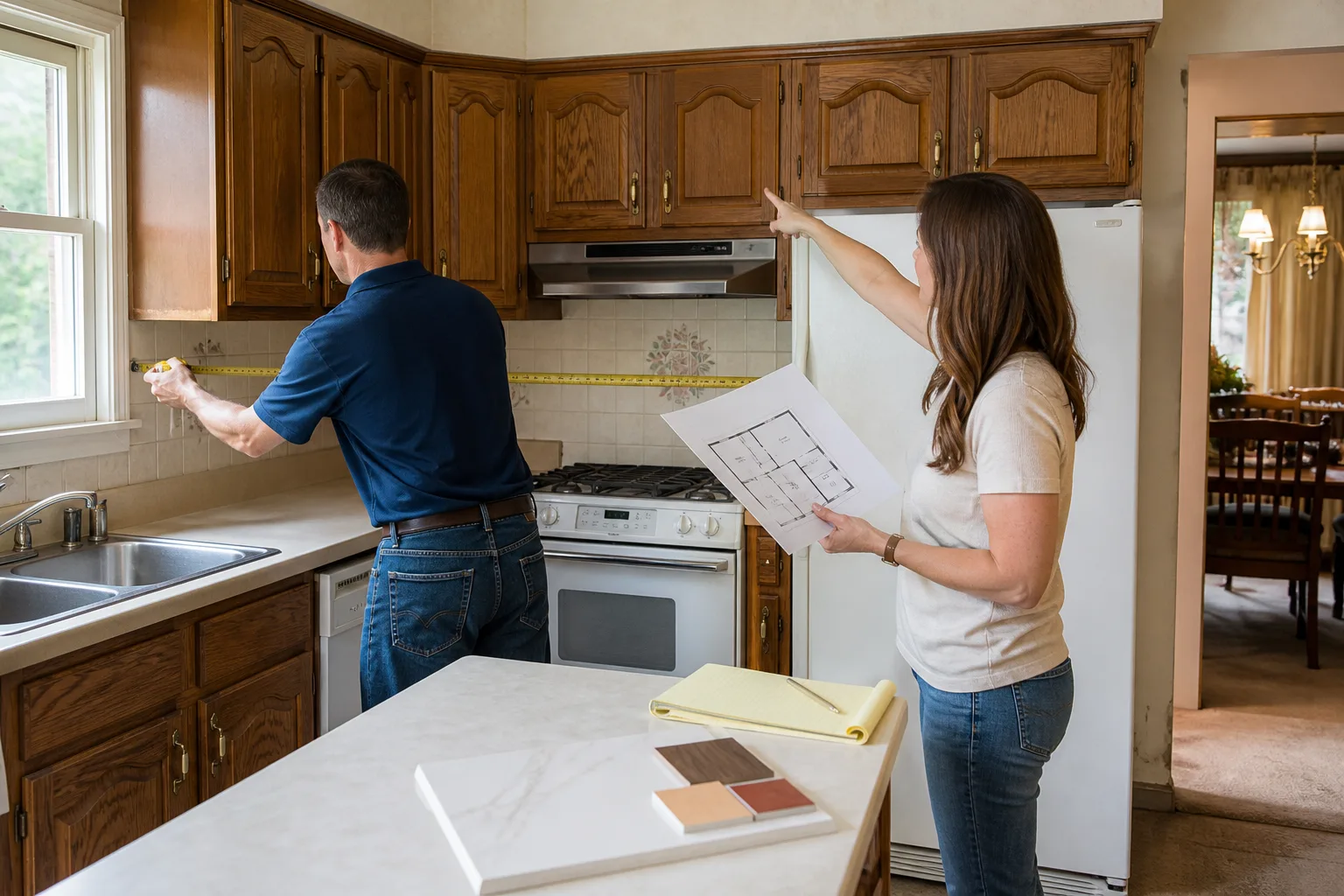
We’ve seen this math play out on Irvine kitchen remodels where the homeowner saved $1,500 on the first week of work and then paid $4,000 to redo a tile layout that didn’t square to the room. Our Kitchen Remodeling in Irvine team quotes the whole job in writing, so the comparison is possible on the same piece of paper. A quick honest look at the sheet usually settles it.
For a repair that turns into a small job, the 365-Day Done Right Promise covers whatever we install, so a return visit inside that window is covered in writing. The calculator gets honest when a failure means a phone call, not a second trip to the store.
How the Irvine Permit Process Works
If you do decide to pull a permit as an owner-builder on a smaller project, here’s the sequence you’ll run through. We’ve walked dozens of Irvine homeowners through this in scope conversations, so the steps below are the ones that actually matter.
- Check the exempt list first. If the work is on it, you’re done and don’t need a permit. If it’s borderline, call the Irvine building division before anything.
- Prepare a scope drawing. Even a hand-drawn plan with dimensions goes a long way. Include existing conditions and proposed changes.
- Submit the application. The counter review takes a few days to two weeks depending on the scope. Electrical and plumbing permits are separate.
- Pay the permit fee. Flat fees range roughly $200-$800 for typical residential work in Irvine.
- Schedule inspections in the correct order. Rough-in framing, electrical, plumbing and mechanical happen before insulation. Final inspection is last.
- Get the final. The final inspection closes the permit. A closed permit is the one thing that proves the work is done to code.
When a professional GC carries the permit, all six steps are their work, and the county record shows their license on the job. Our Penhallow Remodeling Irvine home team handles this end to end on every project. Written price before the work, a real arrival window, and the guarantee on file before the first tool comes out of the bag.
Common Mistakes to Avoid
- Assuming “repair” means “no permit.” Swapping a water heater in Irvine is a permit event if you move it or change fuel type. Check before you buy.
- Pulling your own permit for a job that will need licensed trades. The trades can’t sign the permit if it’s in your name, and the final will not close.
- Doing the work without a permit because “it’s inside.” Interior structural and plumbing changes are the most common permit-missing projects, and the ones most likely to be caught at sale.
- Skipping the owner-builder disclosure. If you sell within a year of completing owner-built work, the buyer has to be notified in writing, and the county only records what was done, not whether it was disclosed.
- Comparing DIY cost to a verbal contractor quote. Verbal quotes don’t include the permit line. A written quote from a licensed contractor quotes the all-in number and lets you compare like for like.
- Building a deck or fence without checking slope height measurement. In Irvine’s foothill neighborhoods, the height runs from the low side, which surprises a lot of homeowners who measured from the flat.
- Ignoring the 200-amp question on an EV charger. Charging at normal speed in a garage with a 100-amp panel usually triggers a service upgrade, and that’s the permit that compounds.
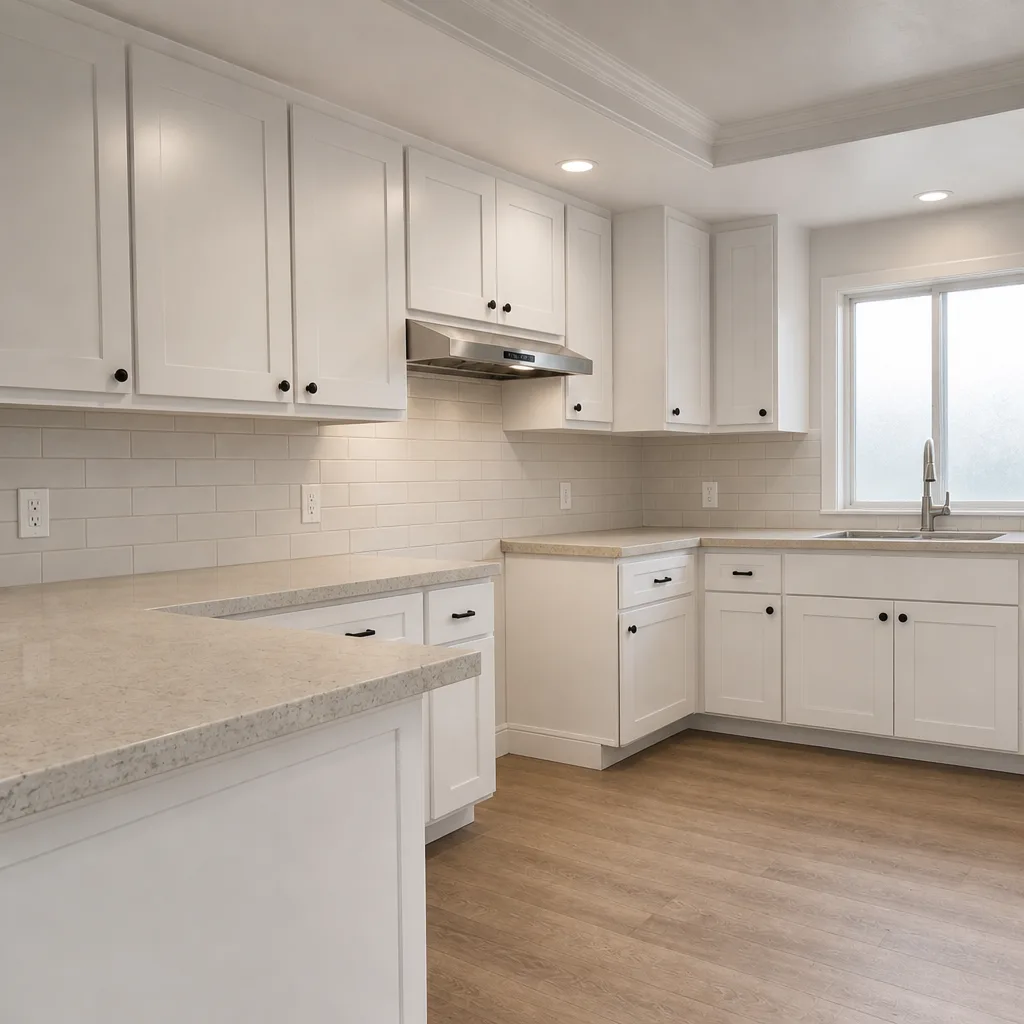
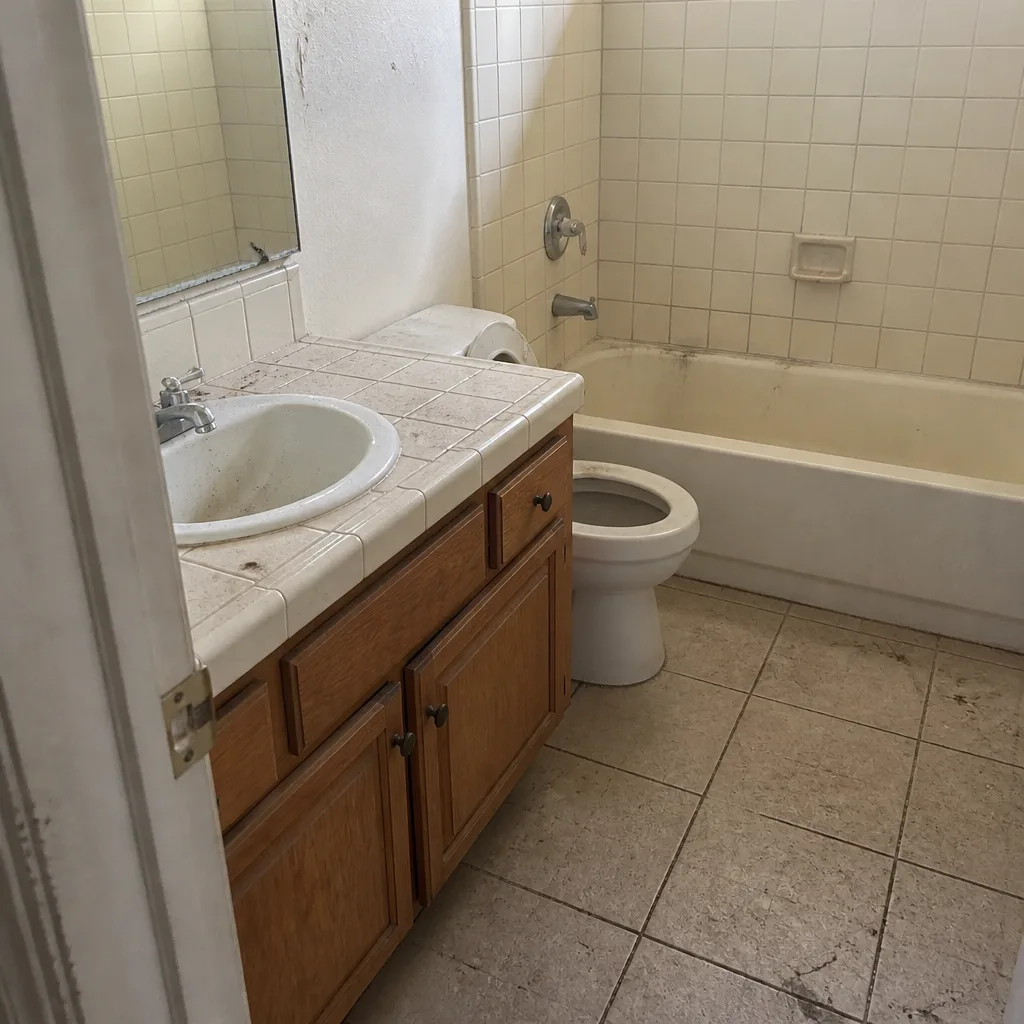
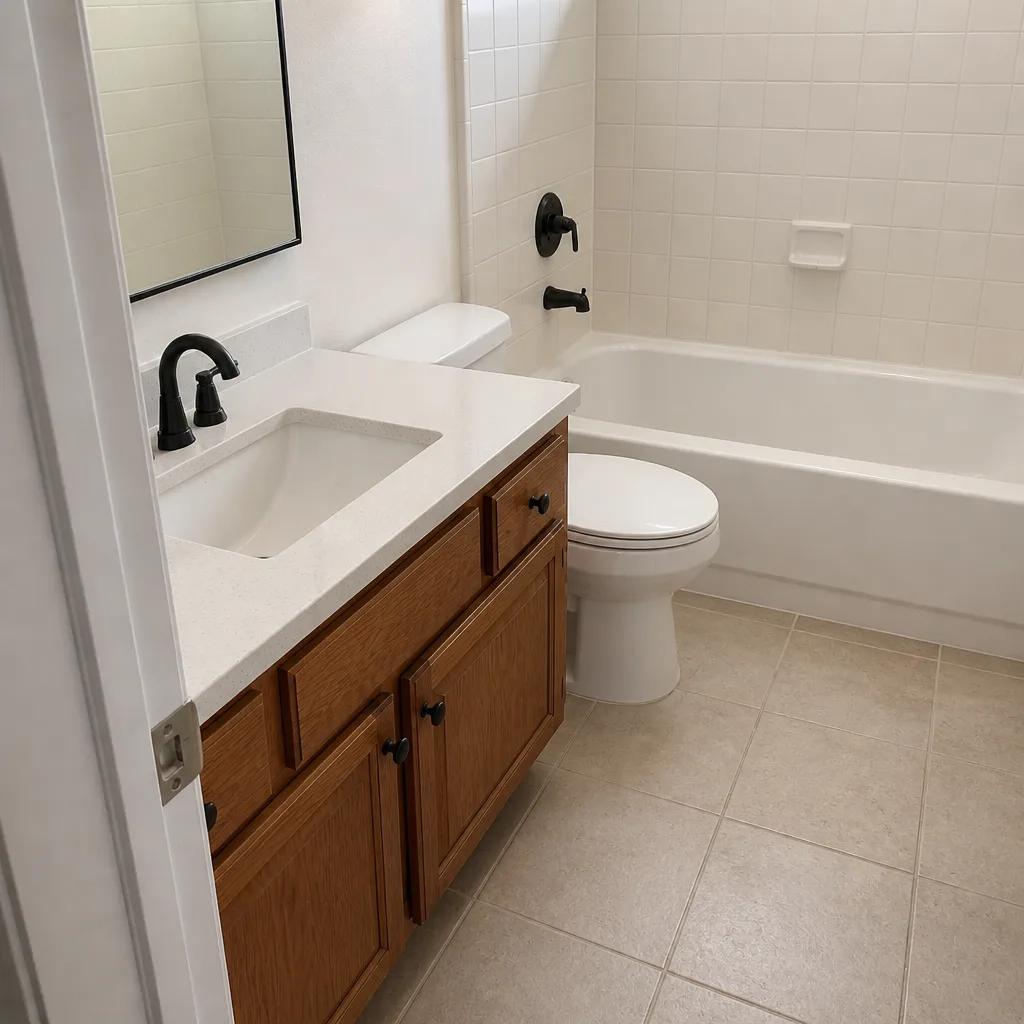
See the difference
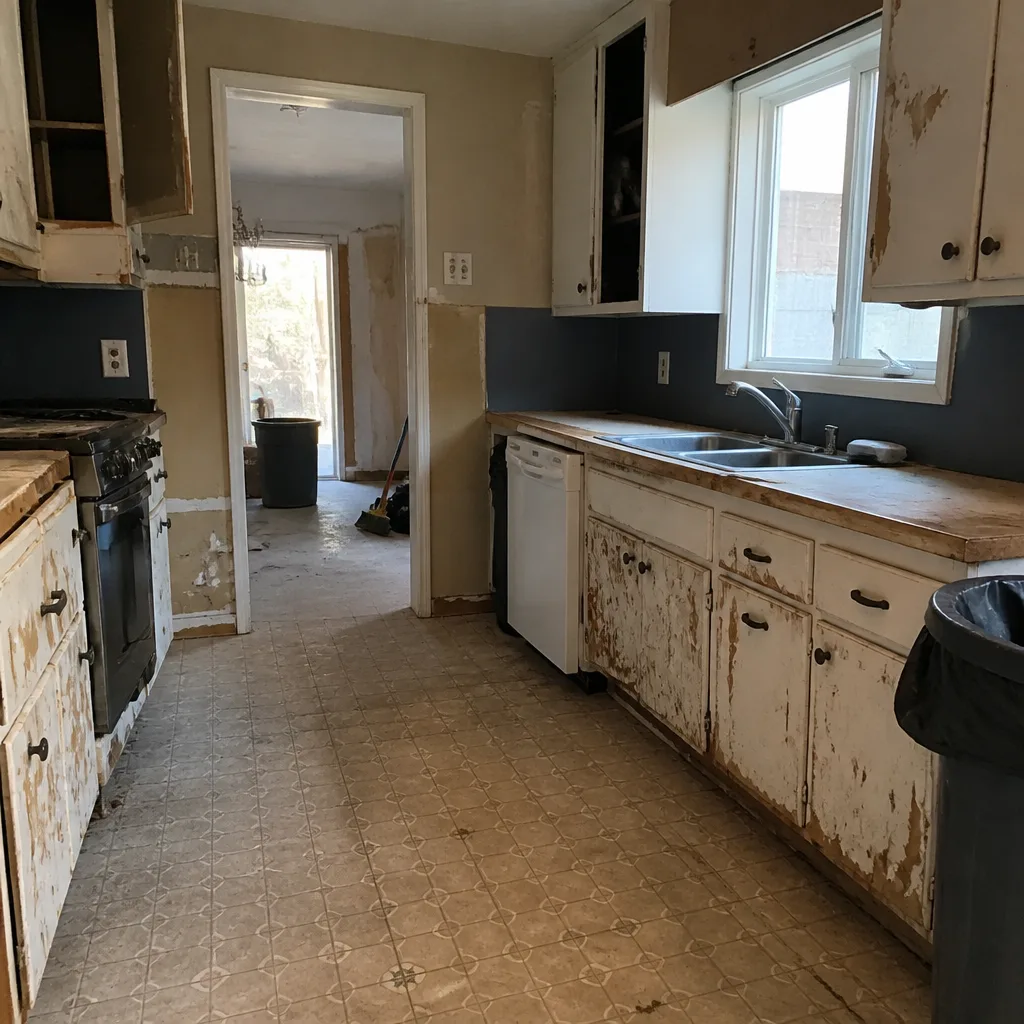 Before
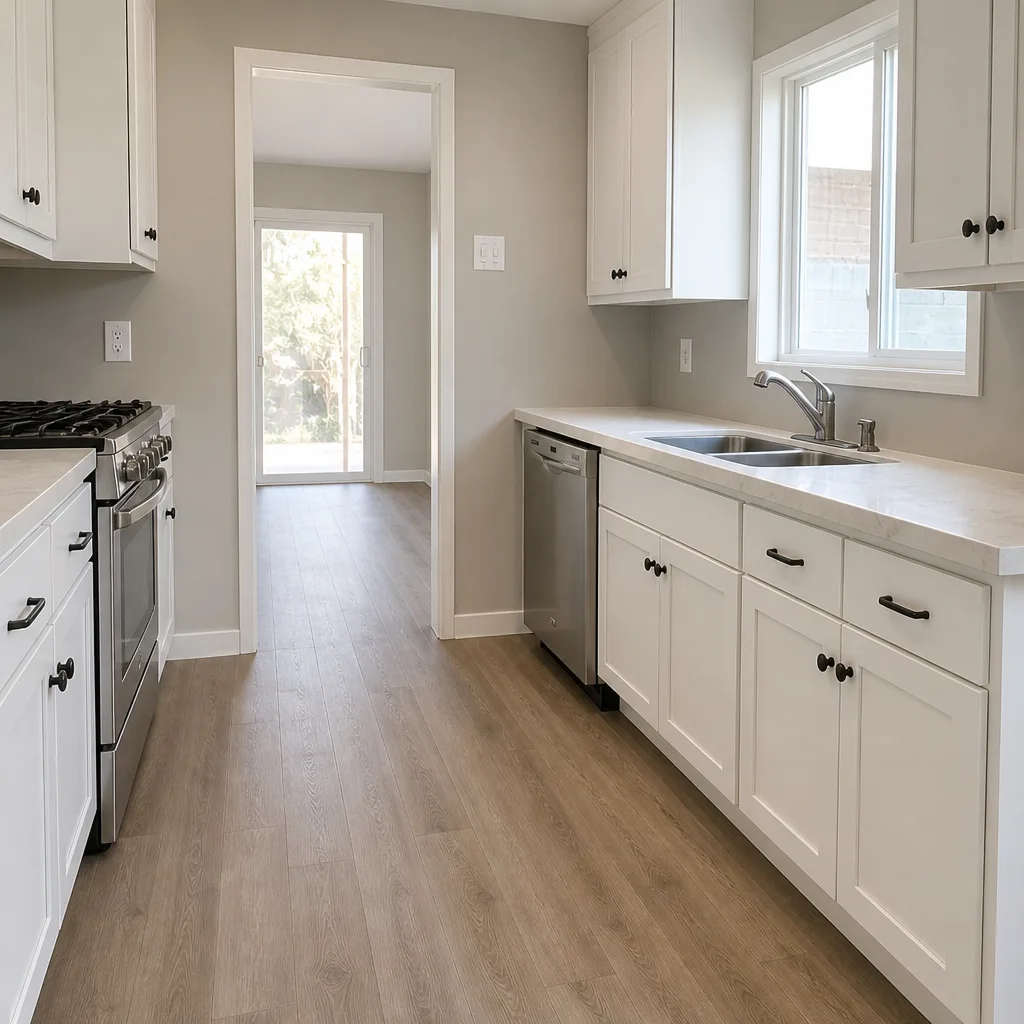 After
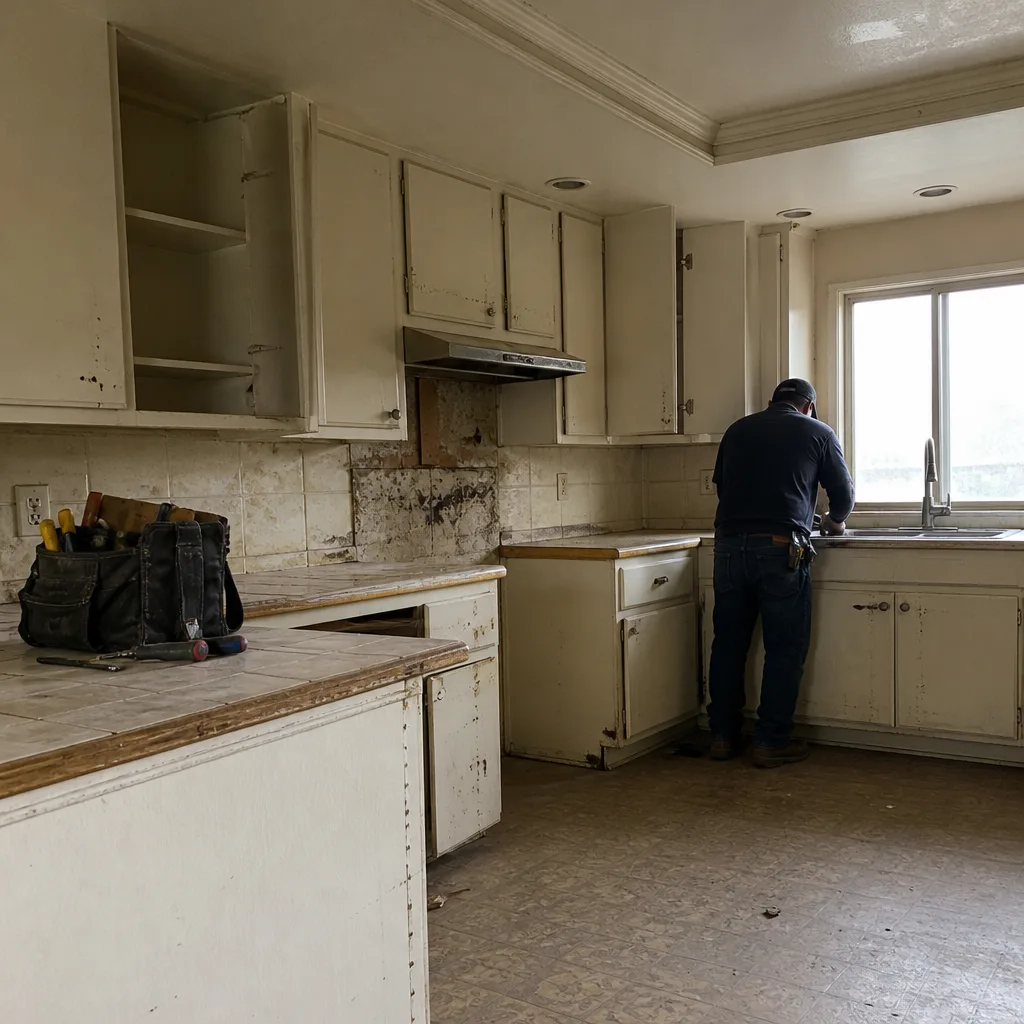 Before
 After
 Before
 After
When to Call a Professional
Call a licensed contractor the moment your project touches the electrical panel, a gas line, a load-bearing wall, a sewer lateral, structural framing, or anything that requires a permit with multiple trades. Call when you’re doing a bathroom or kitchen and want the plumbing and electrical permits to ride on one job file with one point of accountability. Call when the project is going to be finished inside twelve months of a planned sale, because the owner-builder records complicate the escrow. Call when you’ve already started and the scope has outgrown your plan. Penhallow Remodeling Irvine offers free estimates in Irvine and puts the price and the guarantee in writing before any work starts. Call (888) 704-4104 and we’ll walk through the scope with you. Our technicians have up to 22 years of experience, arrive in uniform, and have been background-checked as a standing practice on every job.
Frequently Asked Questions
California’s building code exempts painting, flooring over existing floors, cabinet installation without plumbing or electrical changes, fence work under seven feet, small roof and gutter repairs, and one-for-one fixture swaps. Anything structural, electrical beyond a fixture swap, plumbing beyond a fixture, or gas-related requires a permit and usually a licensed contractor on the trade portion.
Yes, if the work moves any plumbing or electrical, or replaces or relocates fixtures. Irvine reviews the plumbing and electrical portions of a bathroom permit separately. A tile-and-vanity refresh without moving the drain is a different question, and worth a call to the Irvine building division to confirm your specific scope before demolition day.
On large or permitted jobs, the contractor is usually cheaper once you count permit correction fees, redo labor, tool rental, and retail materials. On exempt cosmetic work under a few thousand dollars, DIY is often the right call. For a project anywhere in between, ask for a written quote so the comparison is honest.
Owner-builder means you pulled the permit yourself and signed a declaration saying you performed or supervised the work without a licensed contractor. That designation stays on the property record, and California law requires written buyer notice if you sell within one year of completing the work. Some lenders ask for a licensed contractor’s inspection before approving a refinance on a property with owner-built records.
Only if a licensed engineer or a permit-approved plan confirms the wall is non-load-bearing. You can’t make that determination from a visual inspection, and removing a bearing wall without an engineered beam is one of the highest-liability mistakes we see. Have the scope confirmed in writing before you cut anything.
Most Irvine bathroom remodels clear plan review in one to three weeks for a straightforward scope. Full remodels with plumbing relocation or structural changes take longer, sometimes four to six weeks. A licensed contractor files the permit alongside the work schedule, so the timeline is one job, not two.
The Bottom Line

The real DIY line in California isn’t about your skill. It’s about whether the work requires a permit, whether the code requires a licensed contractor for the trade portion, and whether the property record you leave behind will matter years from now. Cosmetic work without a permit is genuinely yours to do. Anything touching electrical, gas, plumbing, or structure belongs to a licensed contractor, and in Irvine the owner-builder records add a layer of complication most homeowners don’t want to carry into a future sale. Know the line before you buy the materials. Give us a call when the project crosses it.
If you’re planning a kitchen, bathroom, or whole-home remodel in Irvine and want a written number to compare against a DIY plan, call Penhallow Remodeling Irvine at (888) 704-4104 for a free estimate. Every job gets a written price before work starts, a real arrival window, and the 365-Day Done Right Promise in writing. A live person answers the phone around the clock, and the estimate costs you nothing. Our Bathroom Remodeling in Irvine and kitchen teams quote comparable scopes side by side so you can decide with real numbers on the table.
Written by the team at Penhallow Remodeling Irvine.