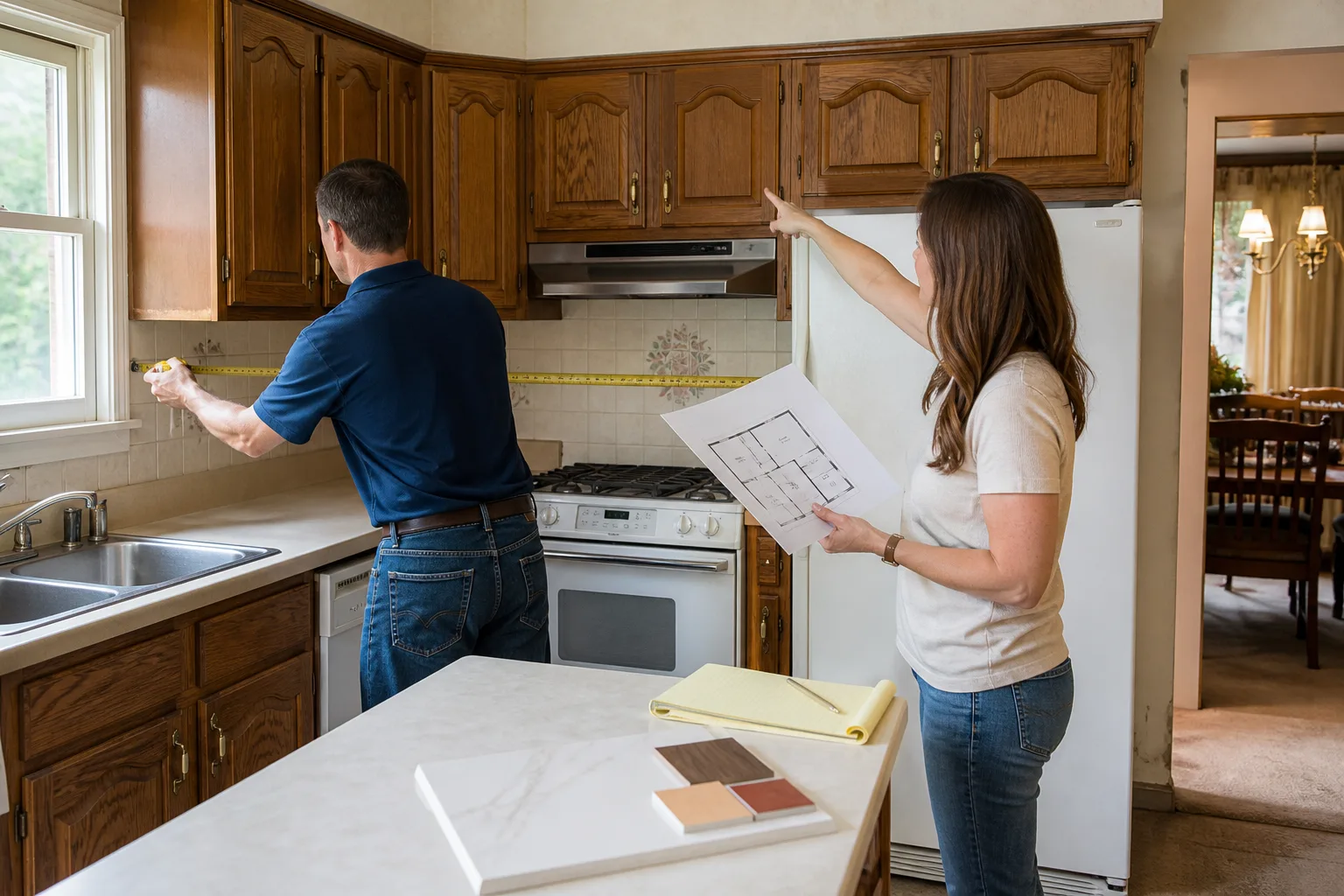
Last updated November 18, 2026


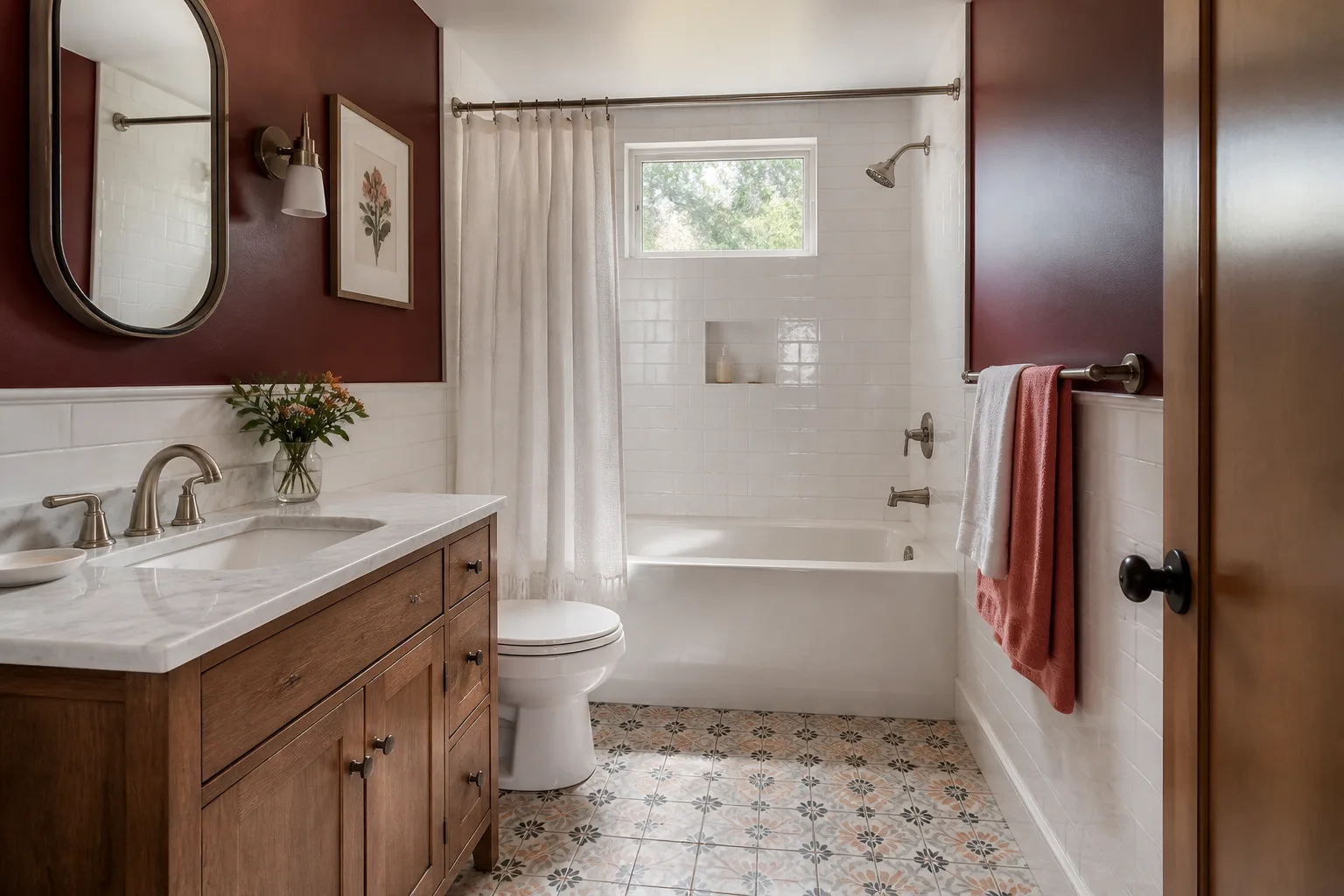





Free written scope consultation - allowances, timeline, and change-order rules on paper before a single trade is scheduled
How Long Does Bathroom Remodeling Take? Timelines and What to Expect
A gut-and-replace bathroom remodel in a 50-square-foot Irvine bathroom should take 10 to 14 business days of active work. Yet plenty of homeowners describe their project stretching past six weeks. The gap almost never comes from tile setting or grout. It comes from a document nobody signed: a written schedule with real dates on it. This guide breaks down the phase-by-phase timeline you should expect, explains why “working days” and calendar days get quietly blurred, and shows you exactly what to ask for in writing before demo day. We’ve walked through enough Irvine bathrooms to know where the days hide.
Quick Answer
A standard bathroom remodel takes 10 to 14 working days of on-site labor, which translates to roughly three to five calendar weeks once you factor in permit pulls, inspection holds, waterproofing cure time, and material deliveries. A high-end or layout-changing remodel runs 25 to 40 working days, or six to ten weeks on the calendar. The single biggest variable isn’t the tile you pick. It’s whether your contractor committed those days to paper before demo started.
Styles & brands we work with
- Kitchen remodeling
- Bathroom remodeling
- Home additions & ADU
- Roofing
- Windows & doors
- Driveway & pavers
- Fence
Table of Contents
- Phase-by-Phase: Where the Days Actually Go
- Working Days vs. Calendar Days: Why Contractors Blur the Difference
- How Irvine Permits and Inspection Windows Add Days
- What a Written Project Schedule Should Contain
- Red Flags That the Timeline Is Already Slipping
- How Long Different Bathroom Remodels Take
- What to Ask Before You Sign Anything
Phase-by-Phase: Where the Days Actually Go
When we quote a timeline, we’re not thinking in weeks. We’re thinking in phases, each with its own honest day count. Here’s what a mid-range bathroom remodel breaks down to when nobody is padding the numbers:
- Demo and protection (1 – 2 days). Tear-out of the old tub, tile, vanity and toilet. This is also when a good crew protects your hallways and floors. It’s fast work, but it’s dusty and it sets the tone for the whole job.
- Rough plumbing and electrical (2 – 4 days). Moving a drain or adding a dedicated circuit for a heated floor mat takes longer than swapping fixtures in place. Plumbing rough-in gets inspected before anything closes back up.
- Inspection hold (1 – 3 calendar days). Rough plumbing and electrical inspections don’t happen on your schedule. In Irvine, this is where an owner who never scheduled the inspection up front loses a week.
- Cement board and waterproofing (2 – 3 days, plus cure time). The cement board substrate (the moisture-resistant layer behind your tile) and a bonded waterproofing membrane like Schluter’s Kerdi system need to set before tile goes on. Thinset and membrane cure adds 1 – 2 calendar days where no one touches the wall.
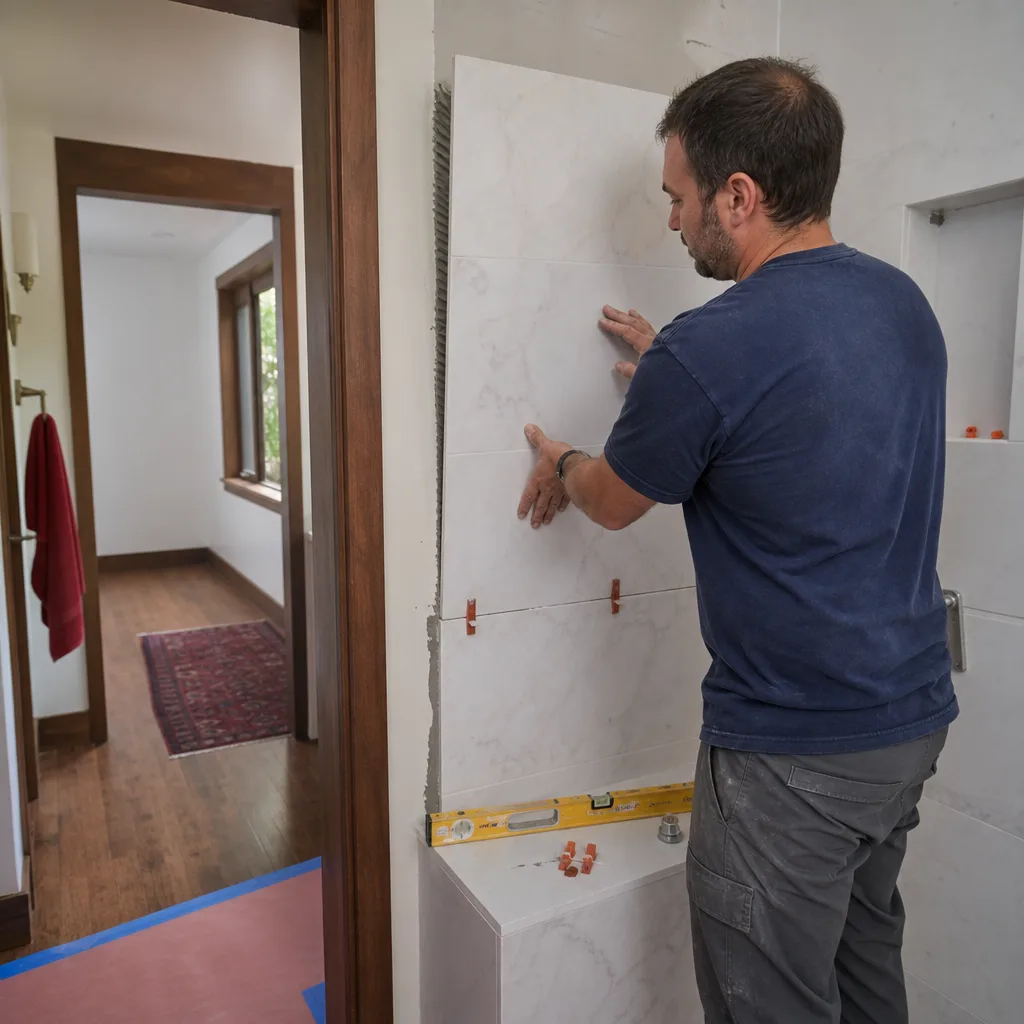
- Tile set and grout cure (4 – 6 days). Wall tile, floor tile, then grout. Grout needs 24 hours before you seal it, and it needs to stay dry, which matters because it’s your only bathroom.
- Fixture and trim install (2 – 3 days). Setting the vanity, toilet, faucet, shower valve and glass. This is where product lead times bite if the Kohler or Grohe fixtures weren’t ordered weeks earlier.
- Punch list and client walk (1 day). The last day is the one most contractors skip in the quote and regret on the back end.
Add it up honestly and you land at 14 to 20 working days for a straightforward Irvine job. A written schedule keeps each of those phases on the calendar instead of in someone’s head.
Working Days vs. Calendar Days: Why Contractors Blur the Difference
A “two-week job” sounds great. But if your crew works five days on and two days off, a two-week job is actually three calendar weeks, and if it spans a holiday, it’s four. That blur is not always dishonest; sometimes it’s just lazy. But it costs you when you’ve already scheduled the plumber to cap the old supply line or booked a hotel for a wedding.
The distinction matters most when:
- Two bathrooms are out of service. One working day of delay hits harder when the whole family is sharing a single shower.
- Material deliveries have long lead times. Custom vanities from KraftMaid or Wellborn can run several weeks. If the schedule says “we start demo Monday,” but the cabinet doesn’t arrive until week five, the job sits idle in the middle, not at the end.
- You’re coordinating with a whole-home remodel. Pulling a bathroom out of sequence in a larger project shuffles the rest of the trades behind it.
Ask a simple question before you sign: “Is that two weeks of working days or two weeks on the calendar?” If the answer is “about two weeks,” you don’t have an answer. When we walk a homeowner through a bathroom remodeling in Irvine, we put both numbers in the written schedule: working days per phase and the calendar dates they land on. The written price and the written schedule should be in the same packet.
How Irvine Permits and Inspection Windows Add Days
Irvine is not a city where you skip the permit and hope. Bathroom remodels that move plumbing fixtures, relocate a drain, add or change electrical circuits, or alter walls require a permit and inspection. That’s not a formality; it’s what a future buyer will notice when they pull the permit history at resale. City of Irvine plan review for a straightforward bathroom typically takes a few business days to a couple of weeks depending on current load, and that clock starts the day the application goes in, not the day demo starts.
Two planning moves keep Irvine permit timing from eating your schedule:
- Pull the permit before demo, not after. A contractor who promises “we’ll pull the permit next week” has already pushed your start back a week and hasn’t told you.
- Lock the inspection date before rough-in is finished. Rough plumbing and electrical inspections need to be scheduled in advance. A crew that waits until the wall is open and the pipe is capped to call the inspector has added three to five days to your job without changing anything visible.
There’s also a subtler Irvine factor: inspection windows. Irvine inspectors run defined routes and appointment slots. If your rough-in inspection lands on a Monday slot but the crew finishes rough-in on a Tuesday, you’re waiting five calendar days for the next available window. A written schedule accounts for that hold instead of pretending it doesn’t exist. If the job is part of a larger general contractor in Irvine scope, the permit sequence should be mapped against the whole project, not just this room.
What a Written Project Schedule Should Contain
A written schedule is the single document that separates a real commitment from a friendly promise. Here’s the minimum it needs to include:
- Start date and finish date, in calendar days. Not “approximately” and not “after materials arrive.” Actual dates.
- Milestone dates for each phase. Demo complete, rough-in complete, waterproofing inspected, tile set, punch list. Each one gets a date.
- Inspection holds. Permits pulled, inspections scheduled, and the calendar days held for each.
- Material delivery buffers. When cabinets, countertops and fixtures arrive, and how much slack is built in if a delivery slips. Cambria countertops, for example, are cut to template, and the template isn’t taken until cabinets are set.
- Change-order handling. If you decide mid-job to switch the vanity line or add a heated floor, the schedule should show how the change affects the finish date, in writing.
- Who’s responsible for what. If the homeowner is supplying the mirror or the medicine cabinet, that delivery date belongs on the schedule.
At Penhallow, we run the written schedule alongside the written price. The Kingswell Way puts it plainly: say the price before the work, show up in the window we gave, leave the place cleaner than we found it. The written schedule is how we make the second promise real.
Red Flags That the Timeline Is Already Slipping
Most delays announce themselves early, if you know what to look for. Once these signs appear, the finish date in your contract is already fictional:
- No permit pulled by day two. Demo should not be the first move. The permit should already be in hand, or the application should already be filed, before the sledgehammer swings.
- No waterproofing inspection on the books. Rough plumbing and electrical inspections need to be scheduled before the wall closes. If nobody can tell you the date, the inspection is going to be squeezed in whenever.
- Materials not on-site before demo starts. Tile, thinset, membrane, vanity, and fixtures should be delivered and staged before the old bathroom comes out. If the crew is demo-ing on Tuesday and ordering tile on Thursday, the room will sit empty for a week.
- “We’ll figure out the sequencing later.” That’s a contractor telling you there is no schedule.
- Vague answers on cure times. Waterproofing and grout need real time. A crew that rushes those steps is trading your warranty for their calendar.
- The written quote has no calendar dates. If the bid says “about three weeks” instead of a start and finish, the number is a wish.
Any one of these is worth a phone call. Two or more and you should be asking for the written schedule before another dollar goes out the door.
How Long Different Bathroom Remodels Take
Not every bathroom remodel is the same job, and the timeline should reflect that. Here’s the honest range for the most common scopes:
- Cosmetic refresh (paint, fixtures, mirror, vanity top). 2 – 4 working days, roughly one calendar week. No permit usually required if you aren’t moving plumbing or electrical.
- Mid-range remodel (new tile, tub or shower, vanity, toilet). 10 – 14 working days, three to five calendar weeks including inspection holds.
- Gut remodel (full tear-out with layout changes). 18 – 25 working days, five to eight calendar weeks. Moving the drain or relocating a wall pushes this toward the top of the range.
- High-end remodel (custom cabinetry, stone surround, heated floor, frameless glass). 25 – 40 working days, six to ten calendar weeks. Material lead times often drive the calendar more than the labor does.
- Primary bath with adjacent closet or water-closet reconfiguration. 30 – 45 working days. This is where a whole-room scope merges into a whole-home remodel territory and the sequencing grows.
In Irvine specifically, the single biggest lever on total calendar time is material lead time. A custom KraftMaid vanity can run four to six weeks from order to delivery. If your contractor orders it after demo, your job sits idle in the middle. Ordering cabinetry and tile before the first day of demo is how a five-week remodel stays five weeks. When we scope a kitchen remodeling in Irvine alongside a bathroom, we sequence both so the same delivery windows serve both rooms instead of doubling the calendar.
What to Ask Before You Sign Anything
Six questions separate a real timeline from a sales pitch. Ask all of them, in writing, before you sign:
- “Is this schedule in working days or calendar days?” And get both numbers.
- “When will the permit be pulled, and what’s the current city review time?” A contractor who already knows Irvine’s current window has done this job before.
- “When are the rough-in inspections scheduled?” Date on the contract, not “we’ll handle it.”
- “When do materials arrive, and what’s the buffer if something is back-ordered?” Cambria or Silestone countertops template after cabinets are set. The buffer needs to live on the schedule.
- “What happens if the finish date slips?” A real answer exists. A written schedule with milestone dates puts the pressure on the calendar, not on your patience.
- “Who is my point of contact if a date moves?” You should have a name, a number, and a live person who answers when you call.
Penhallow walks you through all of this before the first cabinet is pulled. Our technicians have up to 22 years of experience and arrive in uniform, background-checked, with the written price and the written schedule in hand. The 365-Day Done Right Promise covers the work itself: if something fails inside the year, we come back and fix it at no charge. That promise is backed in writing, the same way the schedule is.
Common Mistakes to Avoid
- Accepting a verbal “couple of weeks.” If it isn’t on paper with dates, it isn’t a timeline. It’s a hope shared between two people.
- Skipping the permit to “save time.” In Irvine, an unpermitted bathroom remodel becomes a resale headache when the buyer’s inspector catches it. The permit is the timeline’s friend, not its enemy.
- Ordering tile after demo starts. The room sits empty while the tile ships. Stage all materials before demo day, or push the start date.
- Rushing waterproofing cure time. A membrane like Schluter Kerdi needs to bond fully before tile goes on. A crew that tiled the same day is trading your shower’s lifespan for a shorter schedule.
- Trying to live in the house during a gut remodel without a second bathroom. One bathroom, one working toilet, one shared shower with the neighbor. Realistic planning means knowing your bathroom will be out of service for the full calendar window, not just the working days.
- Not asking about change-order impact. Switching to a heavier stone vanity top or adding a heated floor mid-job shifts the schedule. Ask up front how a change moves the finish date, in writing.
- Paying in full up front. Draws should follow milestones that are actually on the schedule. A payment schedule tied to dated milestones keeps the calendar honest.
See the difference
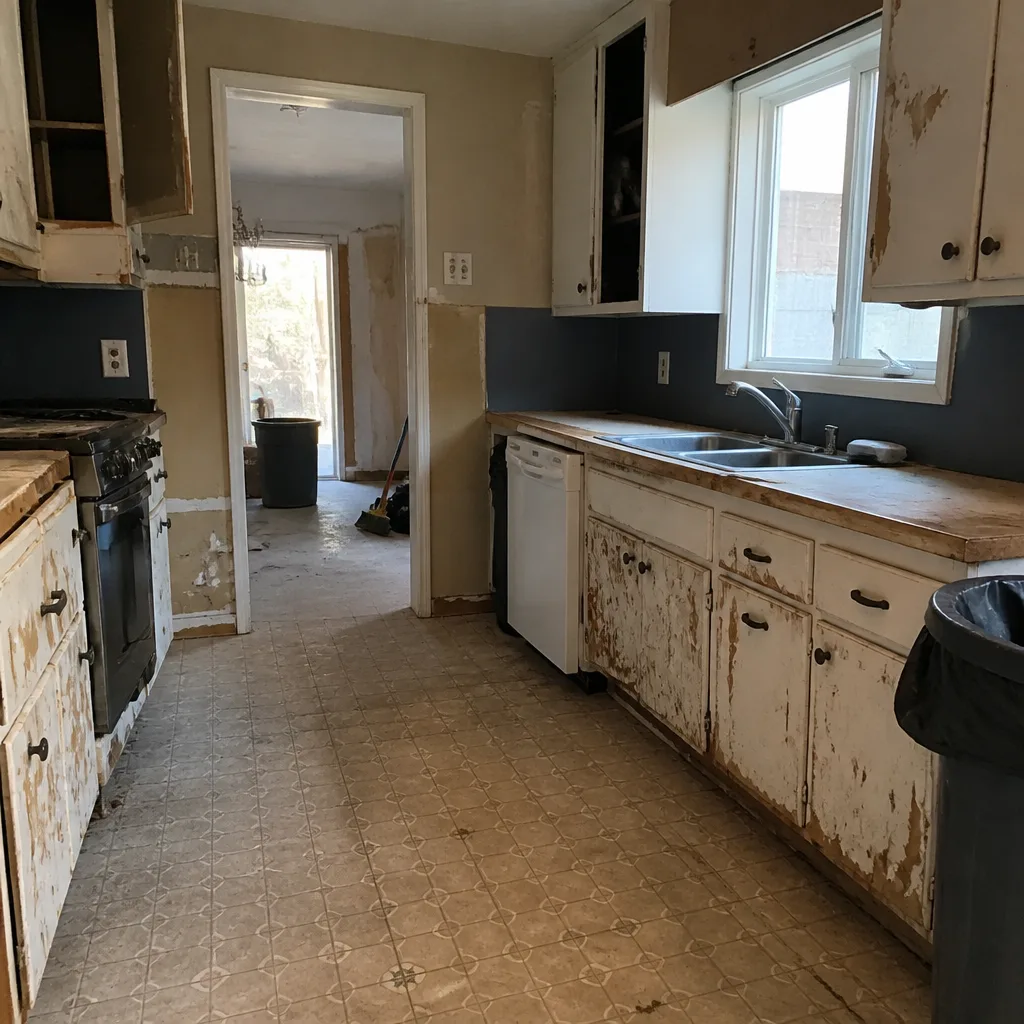 Before
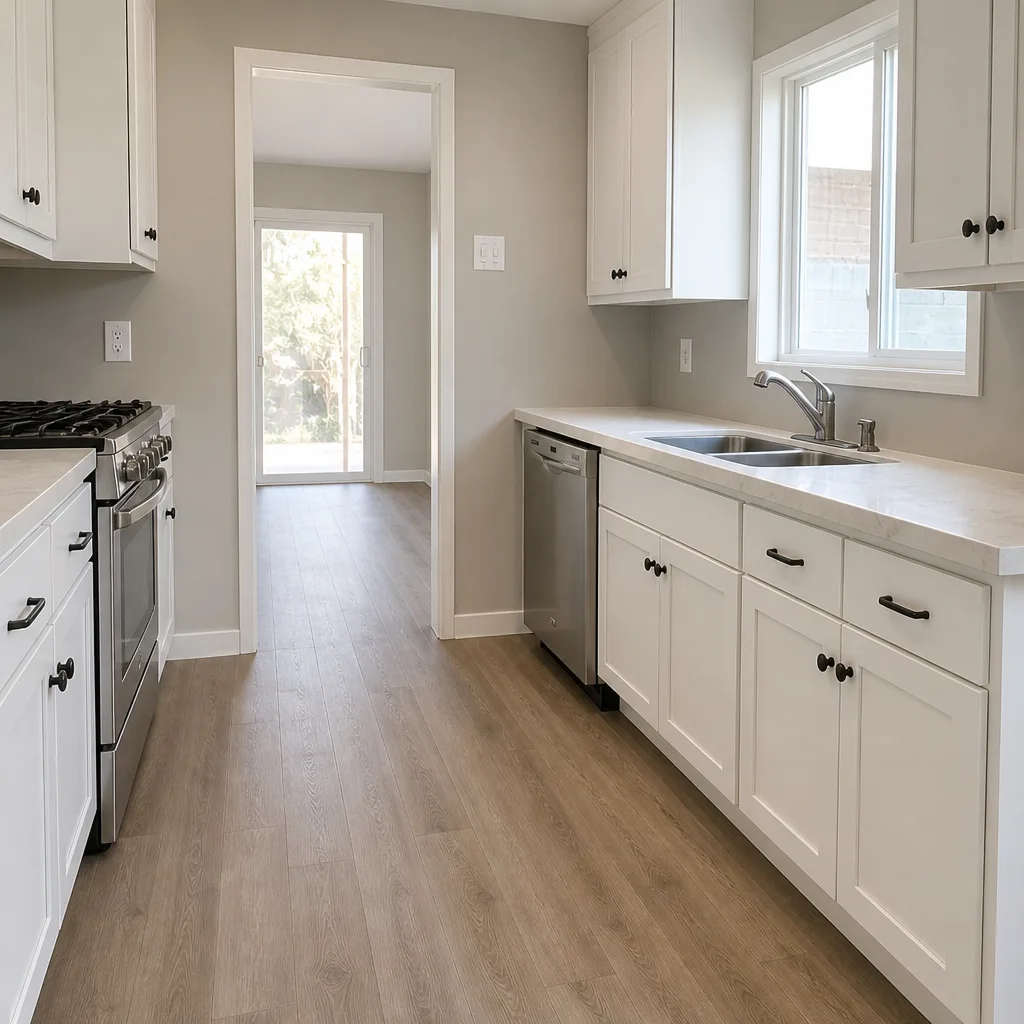 After
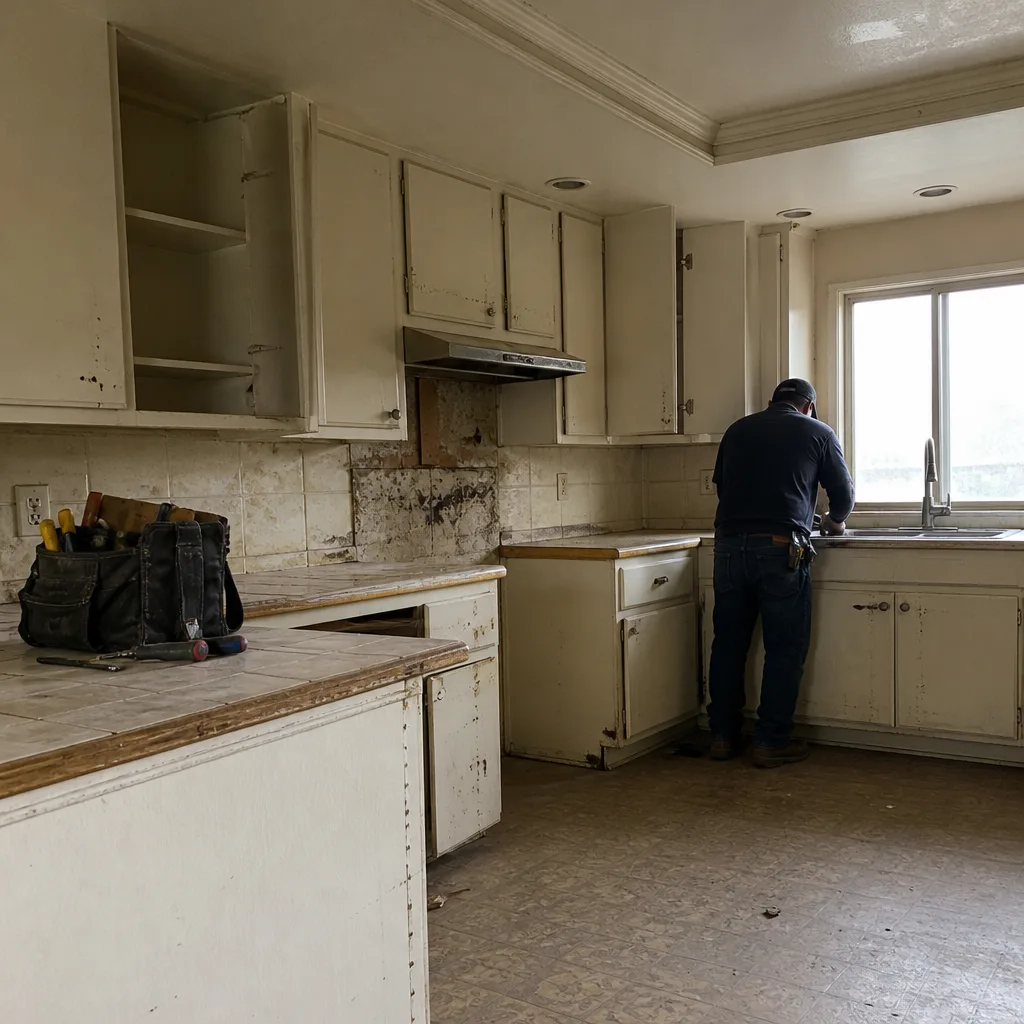 Before
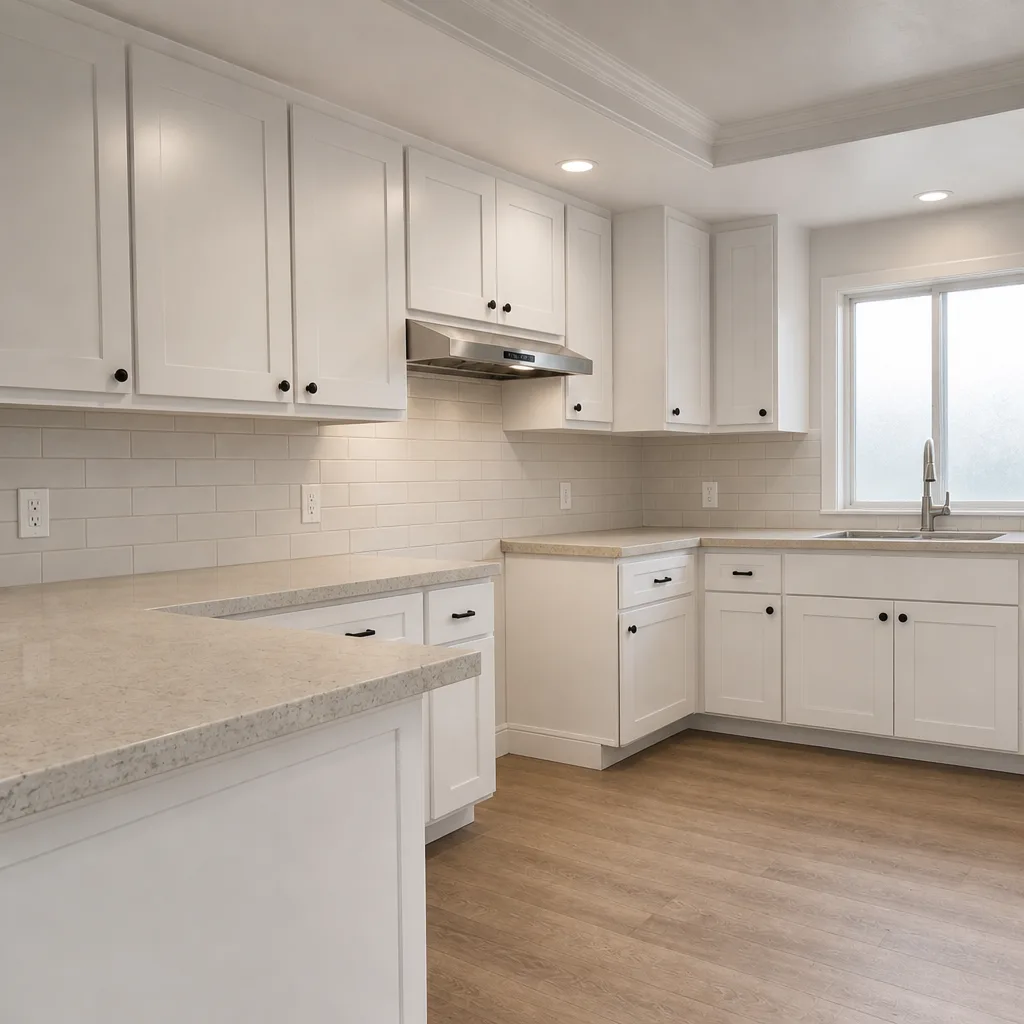 After
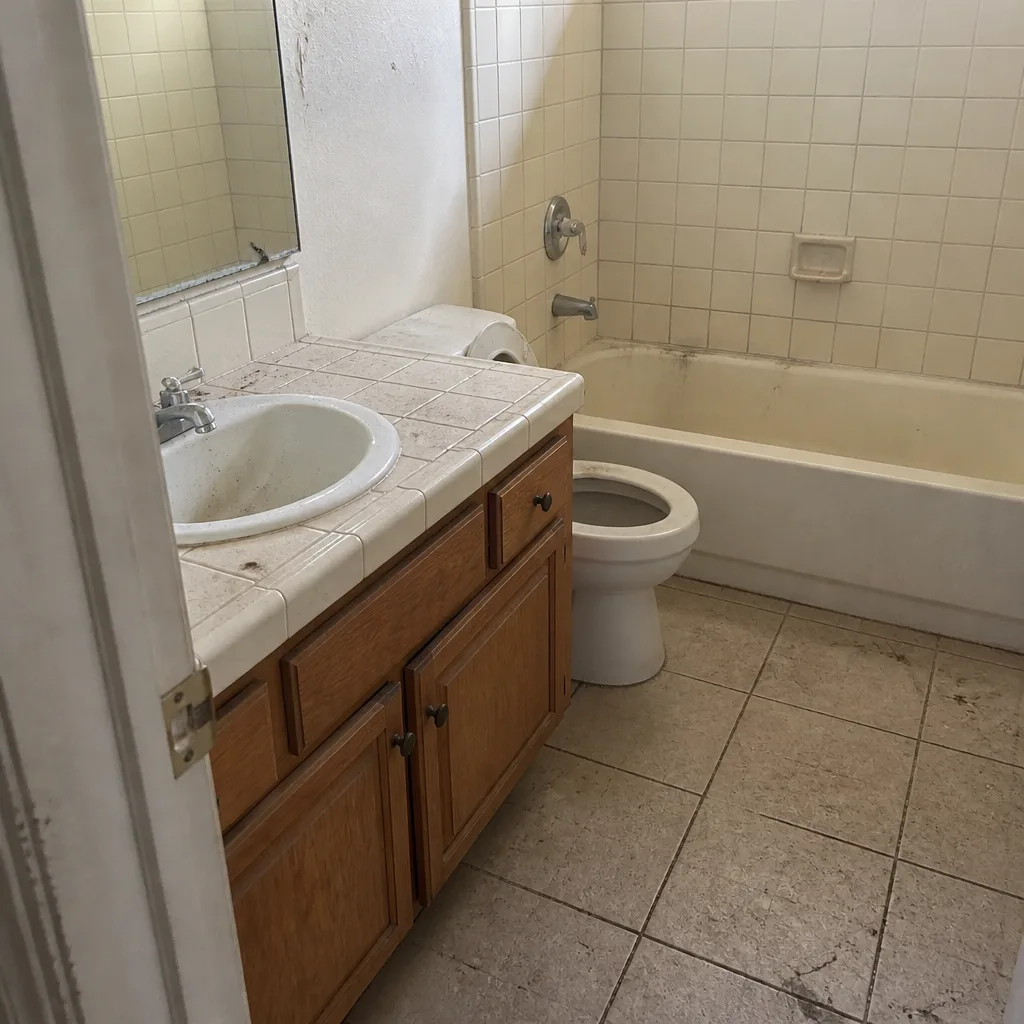 Before
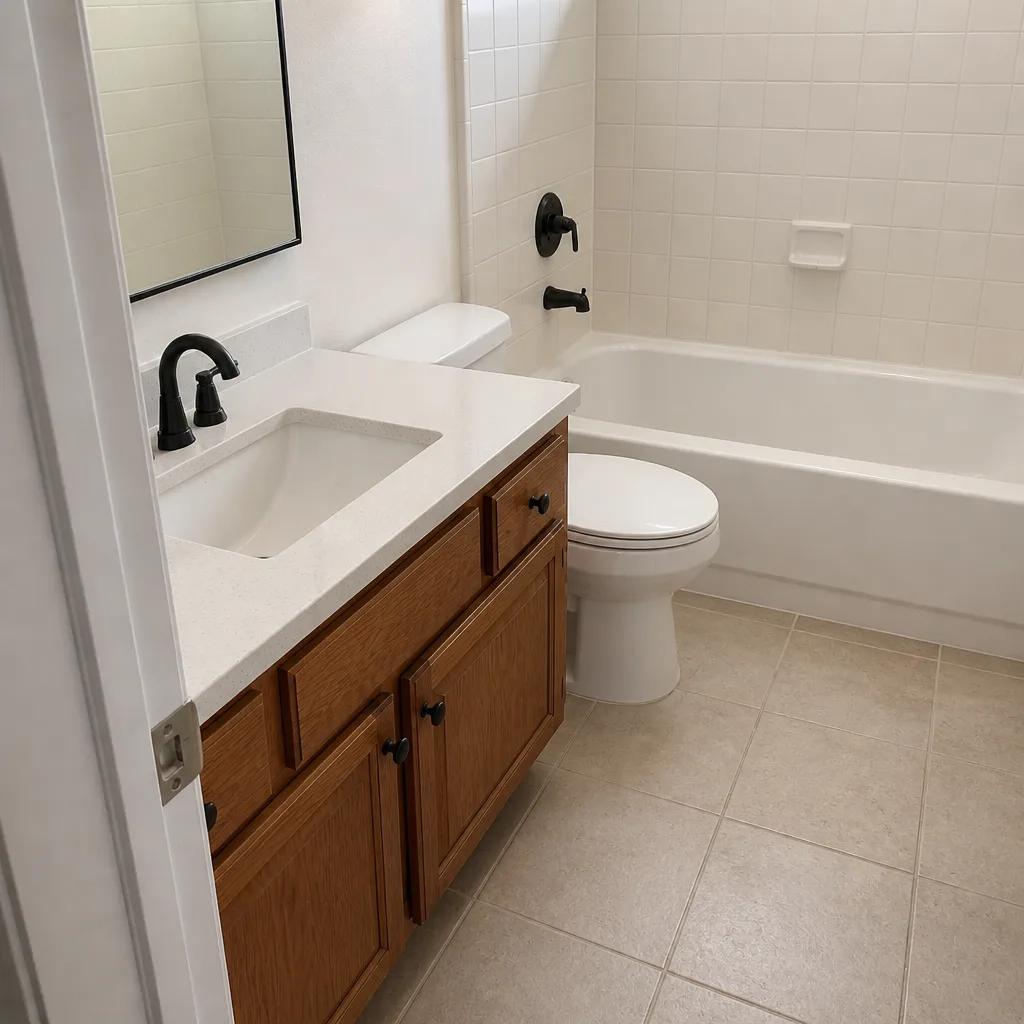 After
When to Call a Professional
Some bathroom projects are weekend jobs, and some are not. Moving a drain, relocating a shower valve, cutting into a wall to reroute supply lines, or installing a heated floor circuit are all permit-and-inspection jobs, and they need a licensed professional. The same is true if you’re opening a wall that might be load-bearing, if you’re replacing a tub with a walk-in shower that changes the floor drain location, or if you’re remodeling a bathroom in a home with galvanized or older plumbing that may not survive a fixture change. Water damage under a tile floor is slow and invisible; by the time you see it in the baseboard, the substrate under the tile is gone. Penhallow Remodeling Irvine offers free estimates in Irvine. Call (888) 704-4104 and we’ll walk the room with you before anything gets quoted.
Frequently Asked Questions
A typical Irvine bathroom remodel takes 10 to 14 working days of on-site labor, which is three to five calendar weeks once you add permit pull time, inspection holds, and waterproofing cure. The written schedule is what determines whether that range holds or stretches.
Yes, but a planned permit doesn’t have to add more than the review window itself, typically a few business days to a couple of weeks for City of Irvine plan review. The delay compounds only when the permit is pulled after demo instead of before. Call (888) 704-4104 and we’ll give you the current timing for your job.
No. Once demo starts, the toilet, shower and sink are out of service for the full calendar window, not just the working days. Plan on a second bathroom or a temporary alternative for three to five weeks on a standard remodel. That’s the honest number.
A written schedule with milestone dates is your leverage. If the finish date moves, the payment schedule and the written guarantee should reflect that. Our 365-Day Done Right Promise covers the workmanship; the written schedule covers the calendar. Both belong in the contract before work starts.
Waterproofing membranes like Schluter Kerdi need time to bond fully before tile goes on. Rushing that step shortens the shower’s lifespan and voids the membrane’s own warranty. It’s the one part of the schedule you should never let anyone compress to save days.
Yes. Every Penhallow project starts with a written price and a written schedule before a single cabinet is pulled or tile is set. Call (888) 704-4104 for a free estimate and we’ll give you both, in writing, for your Irvine bathroom.
The Bottom Line
A bathroom remodel is not a mystery wrapped in tile. A standard Irvine bathroom takes 10 to 14 working days on site, which is three to five calendar weeks once inspections and cure times are counted. The number that matters is not what your contractor says in the driveway; it’s what’s written on the schedule, with dates on each phase and inspection holds built in. Ask for the permit pull date, the inspection dates, the material delivery dates and the finish date. If they aren’t on paper before demo day, the timeline is already slipping. And if you’d rather not start from scratch, we’d be glad to hand you both numbers in writing.
Contact Penhallow Remodeling Irvine for a free estimate on your bathroom project. Call (888) 704-4104 and a real person will answer, day or night. We’ll walk the room, give you a written price, and hand you a written schedule before anything gets torn out. That’s The Kingswell Way: say the price before the work, show up in the window we gave, and leave the place cleaner than we found it. Whether you’re planning a bathroom, a kitchen, or a whole-home remodel, we can help you see the timeline clearly before you commit. See our Penhallow Remodeling Irvine home page for the full range of what we do.
Written by the team at Penhallow Remodeling Irvine.