Last updated November 18, 2026
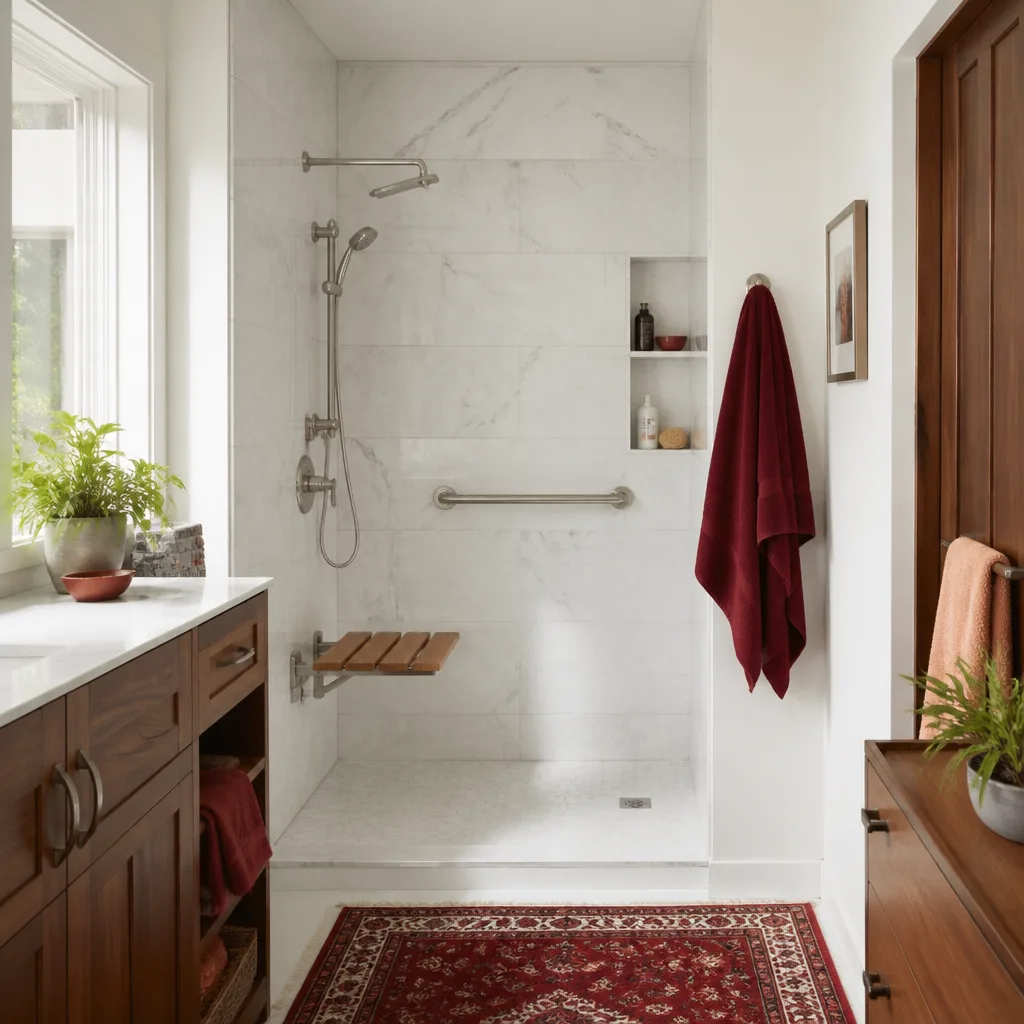

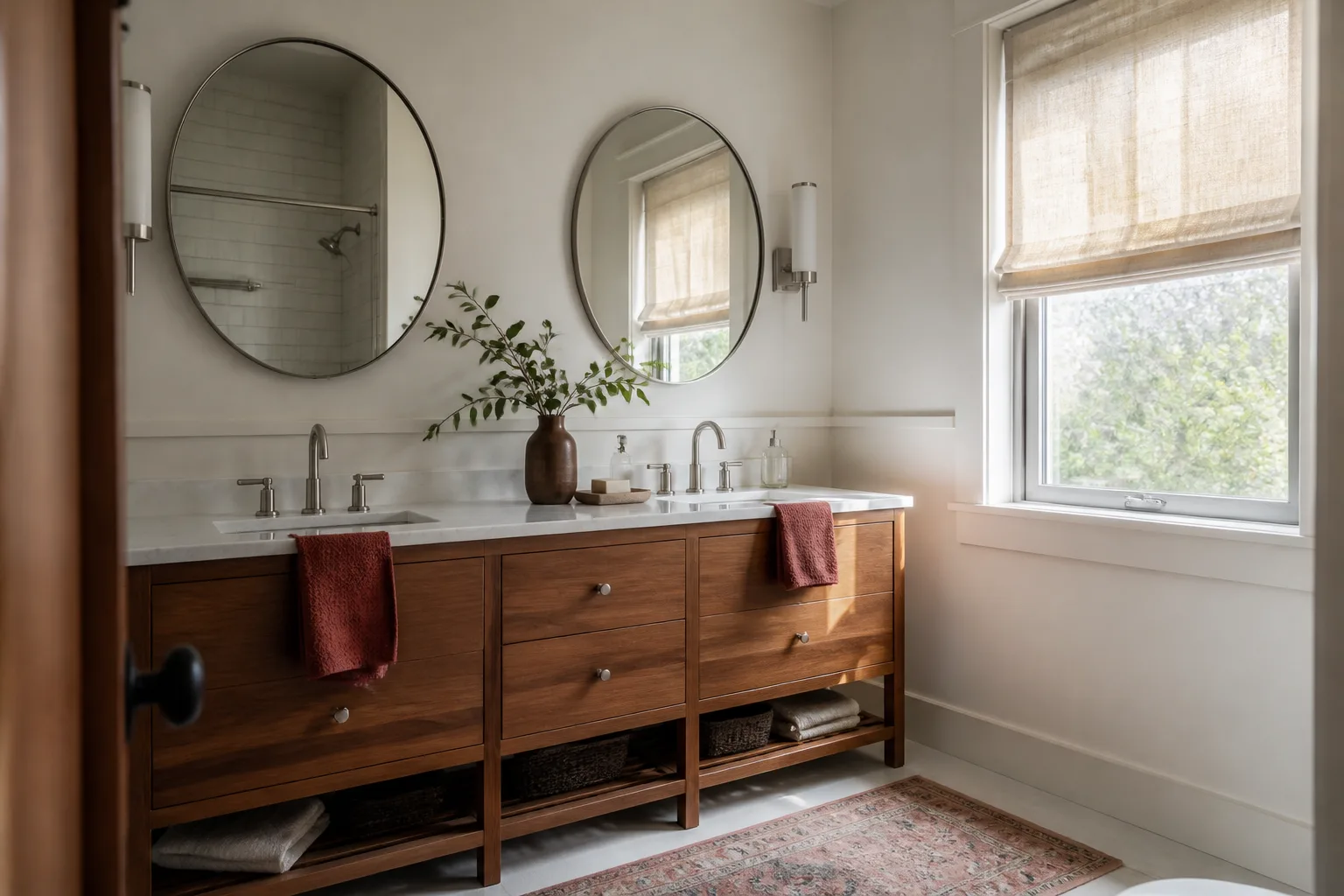
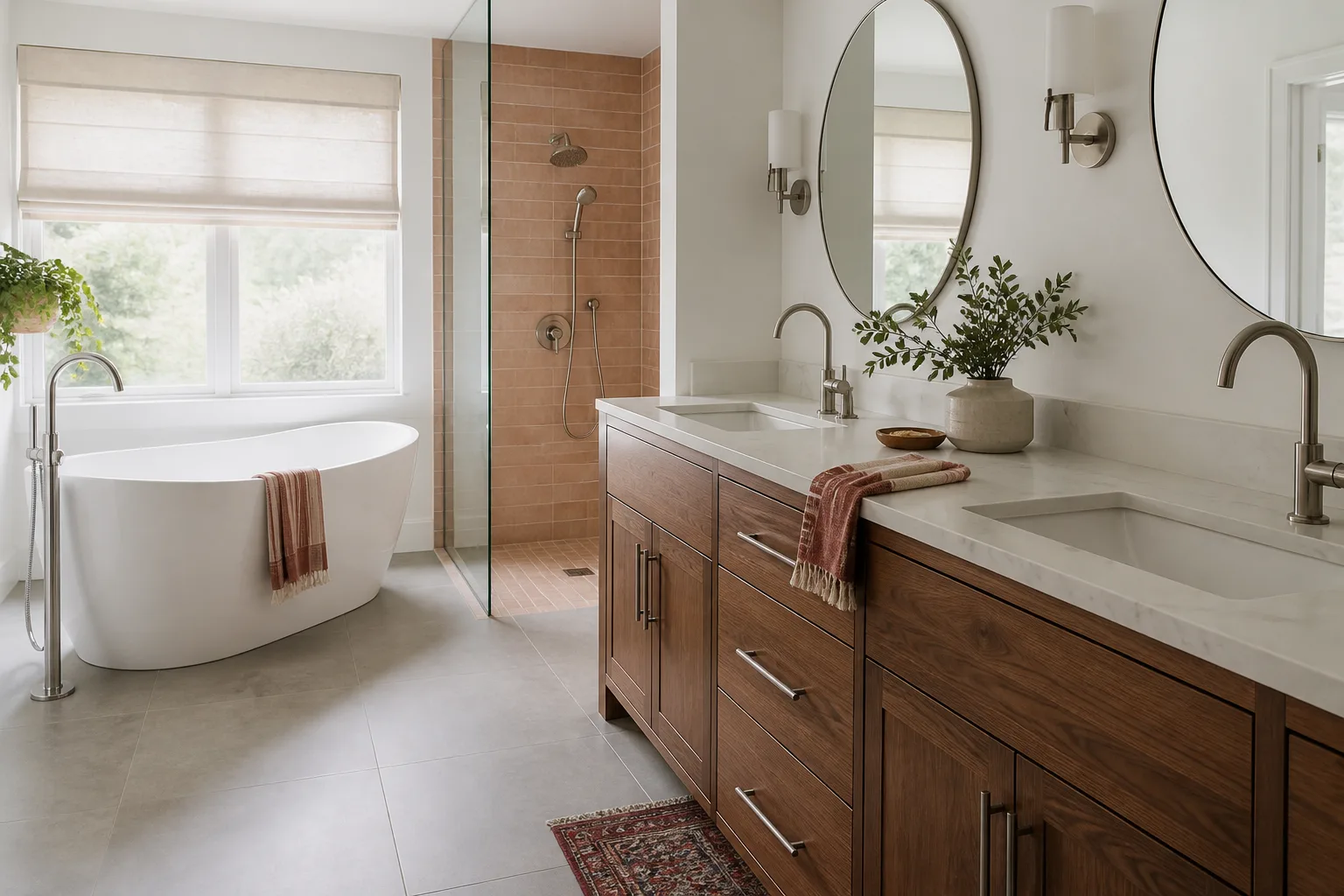



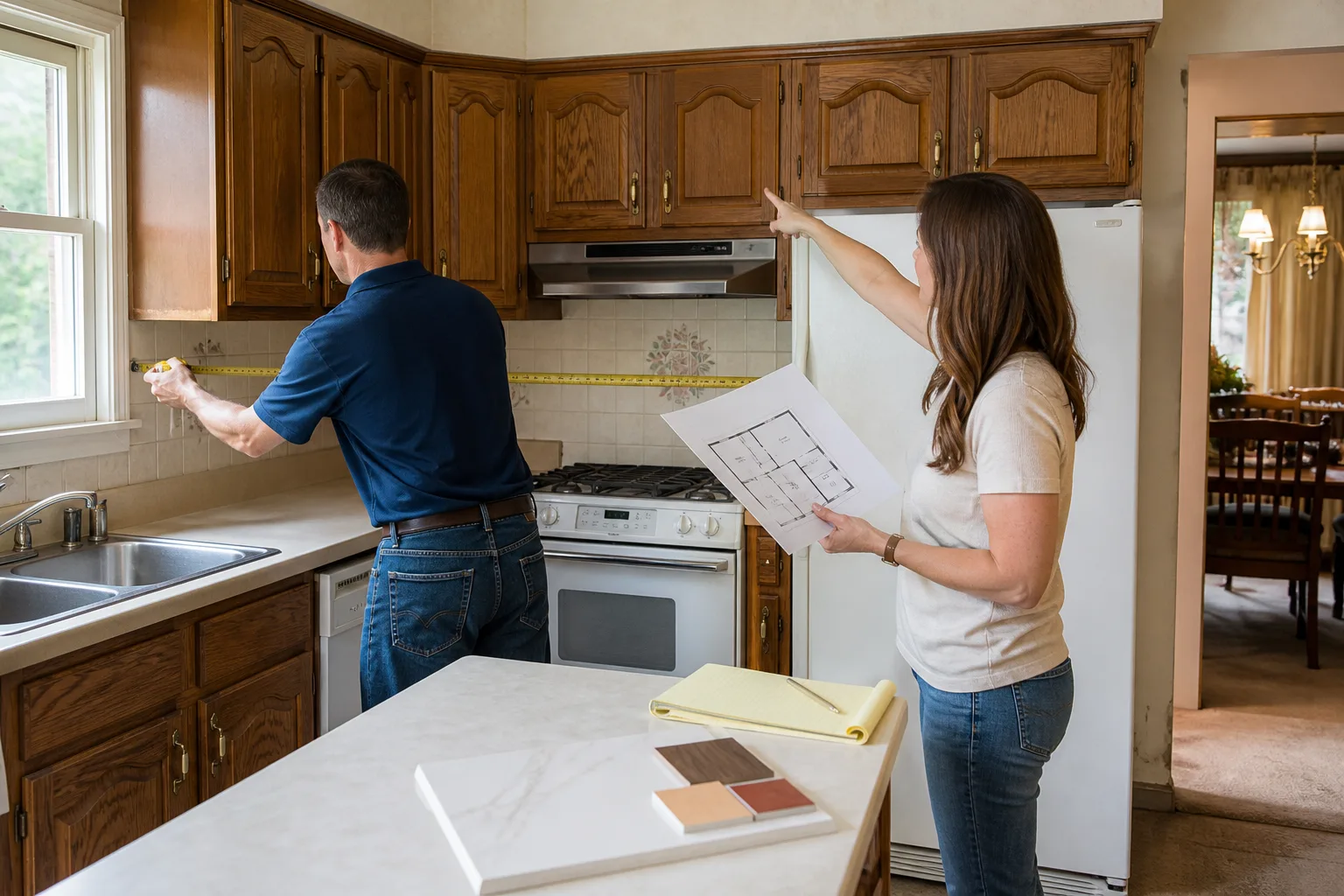
Free written scope consultation - allowances, timeline, and change-order rules on paper before a single trade is scheduled
DIY vs Professional Bathroom Remodeling: What’s Safe to Do Yourself
The most common DIY bathroom mistake isn’t crooked tile or a faucet that drips. It’s what goes on behind the tile: cement board screwed straight to the studs as a shower surround, with no waterproof membrane behind it. In a lot of states, that’s a gray area nobody inspects closely. In California, it’s the detail that fails a flood test. Most bathroom breakage you can fix on a Saturday. A shower is different. This guide walks through which tasks are genuinely DIY-safe, which are permit-required or waterproofing-critical, and how a hybrid project works when you want to do some of it yourself. It’s written from Irvine, where tile-over-greenboard showers have a way of announcing themselves.
Quick Answer
Cosmetic work – painting, swapping a vanity, hanging a mirror, replacing hardware or a toilet (same location, no drain move) – is safe to do yourself with basic tools. Anything touching the shower enclosure, waterproofing, drain location, or rough plumbing is not a good DIY candidate. Those tasks are permit-required in Irvine, they get inspected, and a failed waterproofing layer causes thousands in damage long before you see it.
Styles & brands we work with
- Kitchen remodeling
- Bathroom remodeling
- Home additions & ADU
- Roofing
- Windows & doors
- Driveway & pavers
- Fence
Table of Contents
- What’s Genuinely Safe to Do Yourself
- What’s Permit-Required and Waterproofing-Critical
- California’s Shower Waterproofing Rules Most Videos Skip
- Rough Plumbing vs Finish Plumbing in a Permit Context
- The Real Cost: DIY Shower Tile vs Professional Installation
- How to Scope a Hybrid Project in Writing
- Common Mistakes to Avoid
- When to Call a Professional
What’s Genuinely Safe to Do Yourself
We’ve seen plenty of homeowners save real money with their own finish work, and we’ve seen plenty who opened one wall and quietly closed it again. The line is simpler than it looks. If the task is surface-level and doesn’t change the plumbing, the electrical, or the waterproofing envelope, you can probably do it. If it changes where water goes, stop and get a quote.
The tasks below are a fair DIY scope. None of them require a permit under normal circumstances in Irvine, and none of them will cause hidden damage if you get them slightly wrong – you’ll just see it and fix it.
- Painting. This is the highest-value DIY task in a bathroom. A proper bath-rated paint (moisture and mildew resistant) on properly prepped and primed walls lasts about as well as a pro job. The old coats need to be sanded, not just painted over.
- Vanity replacement (same spot). Pulling a freestanding vanity and setting a new one in the same footprint is DIY-doable if the supply lines and drain already line up. Moving the drain or adding a second sink is not.
- Mirror, lighting, and hardware. Hanging a mirror, swapping a vanity light (with the breaker off and a quick check that the box is properly grounded), or changing drawer pulls and towel bars. None of these touch water.
- Toilet replacement (same location). Pulling one toilet and setting another in the exact same spot is within reach for a careful homeowner. The flange condition matters – a cracked or low flange is where DIY toilet jobs turn into slow leaks through the ceiling below.
- Caulking and re-grouting. Not re-grouting the shower tile (which is a waterproofing problem, not a surface problem), but the caulk joints at the vanity, tub edge, and baseboards. Worth doing properly with a good silicone or siliconized caulk – not the cheapest tube on the shelf.
- Accessories and organization. Shelving, towel hooks, recessed niches installed between studs above a tub (not in a wet wall) – small things that improve how the room feels without touching the moving parts.
If you’re pricing this work against a larger scope, our bathroom remodeling in Irvine page walks through what full-room pricing looks like.
What’s Permit-Required and Waterproofing-Critical
The tasks below require a building permit in Irvine, and most of them involve the waterproofing envelope. They’re not DIY candidates for anyone who hasn’t done this work before. The reason isn’t skill – it’s that a mistake doesn’t show up until water has been quietly behind the tile for months.
- Shower tile and the substrate behind it. Both the setting bed and the waterproofing layer behind the tile have to be done correctly, and they have to be done together. Cement board alone is not waterproof; it’s moisture-resistant, and the difference matters.
- Shower pan liner or surface-applied waterproof membrane. This is the piece most DIY jobs skip. A pan liner has to slope correctly to the drain and turn up the wall a minimum height; a surface membrane has to seal every seam and penetration. Either approach has to pass a flood test before tile goes on.
- Any drain move. Moving a shower or tub drain means cutting into the floor structure and re-pitching the drain line. This is a licensed-plumber task and a permit-and-inspection task in Irvine.
- Rough plumbing. Moving supply lines, adding a second sink, relocating a toilet, or replacing a shower valve inside the wall. Rough plumbing is inspected before the wall closes.
- Rough electrical. Adding a circuit for a heated towel bar, swapping a vanity light that requires a new line, or installing an exhaust fan with a new duct run.
- Structural changes. Removing a wall to open the bathroom into a bedroom, widening a doorway, or moving a wet wall. If it isn’t cosmetic, it isn’t DIY.
- Tub-to-shower conversions. They combine all of the above – drain move, waterproofing, and usually a valve change.
A bathroom remodel through a licensed general contractor in Irvine means the permit is pulled under the contractor’s license, the inspections are scheduled, and the scope is locked in writing before the first tile comes out of the box.
California’s Shower Waterproofing Rules Most Videos Skip
Here’s the part nobody warns you about before you start watching tutorials. Most shower-waterproofing videos on YouTube are made by people in states where a cement board substrate and a skim coat of waterproofing membrane is considered best practice – not code. California is stricter. The California Building Code adopts the IRC with amendments, and the way Irvine’s inspection authority reads the code for shower enclosures means you can’t get away with the half-measure that works in other states.
What that means in practice:
- A waterproof membrane is required, even with cement board. Cement board (a fiber-cement substrate that resists moisture but does not stop water vapor from passing through) sits behind tile in many DIY installations. That’s fine as a substrate, but the waterproofing layer has to be a separate, continuous membrane – either a sheet-applied pan liner plus a liquid or sheet membrane on the walls, or a bonded surface membrane over the whole interior.
- The pan liner has to turn up the wall. The IRC requires the liner to run at least 3 inches above the finished curb and at least 2 inches above the shower floor at the highest point. The exact number Irvine’s inspector expects depends on how the pan is built; the standard is not optional.
- A flood test is required. The pan is filled with water to a marked level and left for at least 24 hours before any tile goes down. If the level drops, the liner is compromised and the pan comes out. Skipping this step is the single most common cause of shower leaks we’re called back to fix.
- The drain flange has to be weephole-protected. The tile-setting bed has to let water reach the drain’s weep holes. If the weepholes are blocked by mortar, water pools under the tile and wicks into the framing.
- Vapor-retarder and exhaust requirements. Bathrooms need mechanical exhaust sized to the room and vented outdoors – not into the attic. Irvine’s Title 24 energy code covers this, and inspectors check it.
None of this is exotic. It’s the same standard that every licensed tile and plumbing contractor in Irvine works to. It’s just not what a lot of DIY tutorials show, because the creator isn’t working to California code and their video doesn’t say so.
Rough Plumbing vs Finish Plumbing in a Permit Context
The distinction matters more than most homeowners realize, because it determines who can legally do the work and when the inspector needs to see it.
Rough plumbing is everything that happens before the wall closes. That’s the drain lines, the supply lines, the shower valve body, the tub drain and overflow, and the venting. In Irvine, rough plumbing requires a permit and a licensed plumber, and it gets inspected before any wall board, cement board, or tile goes up. If a homeowner pulls a permit as an owner-builder and does the rough work themselves, the inspection still has to pass – and passing means meeting the same standards a licensed plumber would. There’s no DIY discount on the inspection.
Finish plumbing is what goes on at the end: the faucet, the shower trim and cartridge, the toilet install (if the flange is already set), the drain cover, and the supply stops. This is the part most homeowners can handle, provided the rough work is correct behind it.
Why this matters for a hybrid project: the rough phase is where the liability sits. It’s also where a mistake hides for months. If a shower valve was set too shallow or a drain was pitched wrong, you don’t find out until the wall is closed and painted. That’s why the sensible hybrid model puts a licensed plumber on the rough work and lets the homeowner handle the finish.
The Real Cost: DIY Shower Tile vs Professional Installation
Here’s the math most DIY cost articles leave out. A shower tile job isn’t a tile-and-thinset purchase – it’s a waterproofing system, a permit, a set of tools you may never use again, and a real chance of a redo if the flood test fails.
For a typical 5-by-8-foot shower surround in Irvine, here’s how the numbers stack up:
- Tile and setting materials (DIY or pro): $600-$1,800 depending on tile. Porcelain is usually $4-$12 per square foot; natural stone runs $10-$35.
- Waterproofing system: $250-$600 in materials. Cement board, a pan liner or bonded membrane, drain flange, sealant, and thinset add up fast.
- Permit and inspection: roughly $200-$450 for a bathroom remodel permit in Irvine, depending on scope.
- Tools you’ll probably buy and use once: $400-$900 for a wet saw, mixing paddle, trowels, float, nippers, laser level, and safety gear – more if you want a decent wet saw instead of a rental.
- Professional shower tile installation (labor plus materials): $4,500-$9,500 for a standard shower, more if the drain moves or the valve is relocated.
- Rework after a failed flood test: $1,800-$4,000 to demo the pan and rebuild it, plus the time. Even a 20% chance of a redo on a DIY job pushes the expected cost into professional range.
The honest summary: if you value your weekend at zero and the flood test passes first time, DIY shower tile saves you money. If either of those things is not true, it costs more than hiring a professional. Bathrooms have a way of making the second scenario more likely than it looks on paper.
Bathroom remodels through Penhallow Remodeling Irvine use Cambria quartz, Silestone, and Kohler fixtures so the finished surface matches the finished waterproofing behind it. Our Penhallow Remodeling Irvine home page covers how the guarantees work.
How to Scope a Hybrid Project in Writing
The hybrid model works well when it’s scoped properly. A homeowner handles the painting, the vanity install, the mirror, and the finish plumbing after the contractor has completed the permitted, waterproofed, inspected shell. Both parties end up happy – the contractor’s liability is clear, and the homeowner’s money goes where it buys the most savings.
What makes a hybrid go wrong is a verbal agreement. If the scope isn’t in writing, the line between “contractor did the rough-in” and “homeowner did the finish” gets fuzzy the first time something leaks, and nobody wants to be there. Here’s how to scope it so each side’s liability is clear:
- Get the scope of work written before any demo. The written scope should list exactly what the contractor will complete – “shower waterproofed, tiled, and flood-tested to inspection” – and exactly what stays with the homeowner – “vanity install, painting, finish plumbing, mirror.”
- Confirm the contractor will pull the permit. The permit has to reflect the actual scope. If the contractor is pulling a bathroom remodel permit, the inspected work should match what’s on the permit.
- Get the inspection sign-off in writing. A final inspection card from the city is the cleanest documentation that the rough and waterproofing phases were done right.
- State the hand-off point. “Contractor completes rough and waterproofing, tile, and inspected shower. Homeowner begins finish work after final inspection.” That’s the sentence that separates the two liabilities.
- Ask about the guarantee boundary. A written guarantee on the contracted shell is standard – at Penhallow Remodeling Irvine, that’s our 365-Day Done Right Promise, in writing on every project. The guarantee won’t cover work the homeowner performed, and that’s normal. What matters is that the boundary is clear before work starts.
- Keep a punch list. Any last fixes to the shell go on a written list before the homeowner starts finish work. Once you’ve installed tile over the waterproofing, the waterproofing can’t be inspected anymore.
If you’re also planning a kitchen project alongside the bathroom, our kitchen remodeling in Irvine page has the same scoping framework.
Common Mistakes to Avoid
- Using cement board as the waterproofing layer. Cement board is a substrate, not a membrane. A shower built that way in Irvine will fail – not immediately, but over a few years, which is worse because you’ve already paid for the tile. The cost of a membrane behind the cement board is small next to what a failed shower costs.
- Skipping the flood test. The 24-hour flood test is the single most effective check on a shower pan, and it costs you nothing but time. Skipping it means you’ll find the leak four months from now, from below.
- Assuming a permit isn’t needed. Irvine requires permits for any shower tile work, any plumbing rough-in, and any electrical. Doing the work without a permit is a real problem at resale – inspectors and buyers both check, and a non-permitted shower is a negotiation point that costs you far more than the permit fee.
- Moving the drain to “save the plumber.” Moving a drain requires cutting into the floor structure and re-pitching the line. It’s a licensed-plumber task in Irvine and it needs to be inspected. This is the item where DIY savings most often turn into a five-figure repair.
- Blocking the drain weepholes. When the tile-setting bed is packed too tight around the drain, water can’t reach the weepholes and pools under the tile. This is a slow, invisible leak that shows up as a soft subfloor or a stain on the ceiling below.
- Replacing a shower valve without checking the rough-in depth. The valve body has to sit at the right depth behind the finish wall. Get it wrong and the trim either won’t seal or won’t reach the wall – and fixing it means opening the wall back up.
- Hiring on the lowest bid without a written scope. This is the mistake that has nothing to do with DIY. Even a professional project goes sideways when the bid is verbal. Ask for a written price and a written scope before the demo starts, and read the exclusion list – that’s where the surprises live.
When to Call a Professional
Call a professional for anything that touches the shower enclosure, the drain, the rough plumbing, or the electrical. Waterproofing failures are the most expensive kind of bathroom damage, and they’re the one category you can’t inspect yourself without opening the wall.
The other common trigger is time. A full bathroom remodel done well takes three to six weeks. If your family has one bathroom and no fallback, a prolonged DIY project is a living situation problem as much as a construction one. A written schedule before work starts is worth more than the labor savings on tile.
Penhallow Remodeling Irvine offers free estimates in Irvine and pulls the permits on every project, with a written price before any work starts. Call (888) 704-4104 to schedule yours. Live people answer 24/7, and every technician is background-checked and arrives in uniform.
See the difference
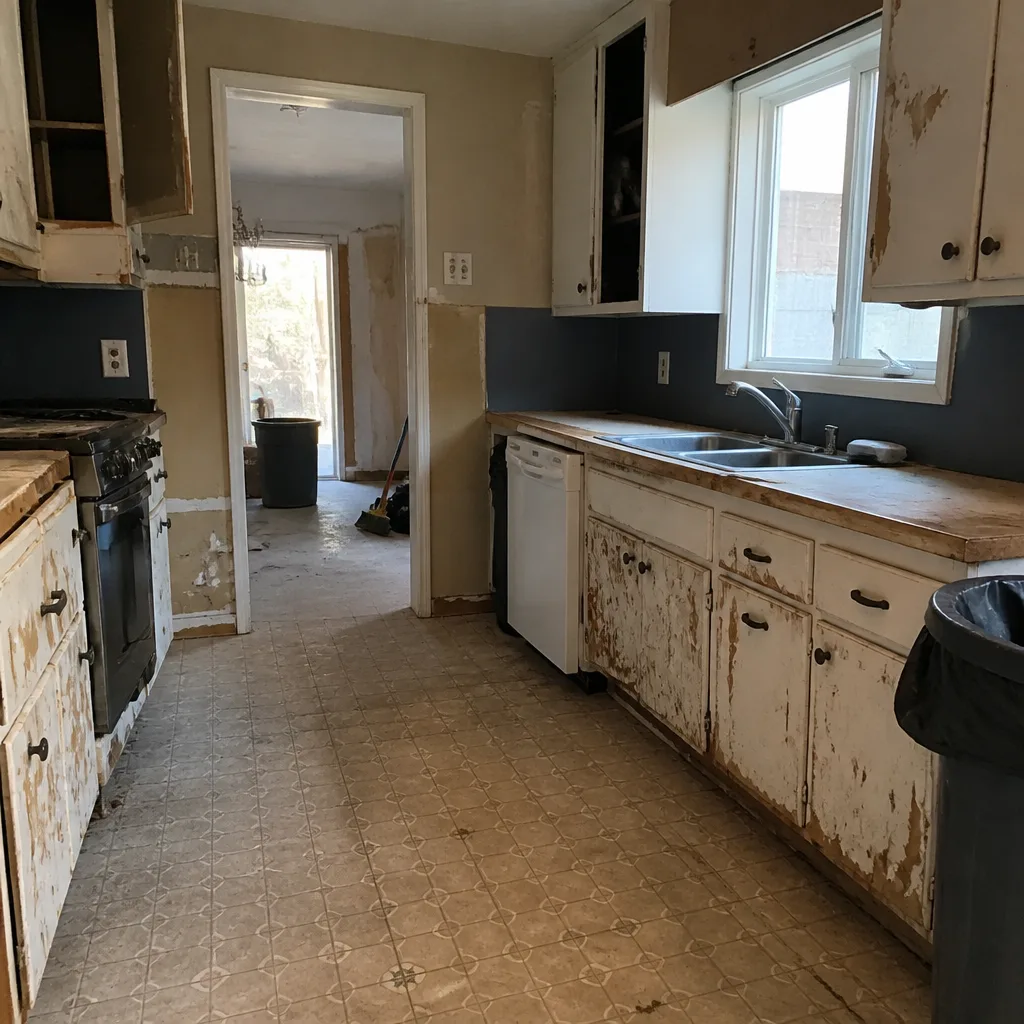 Before
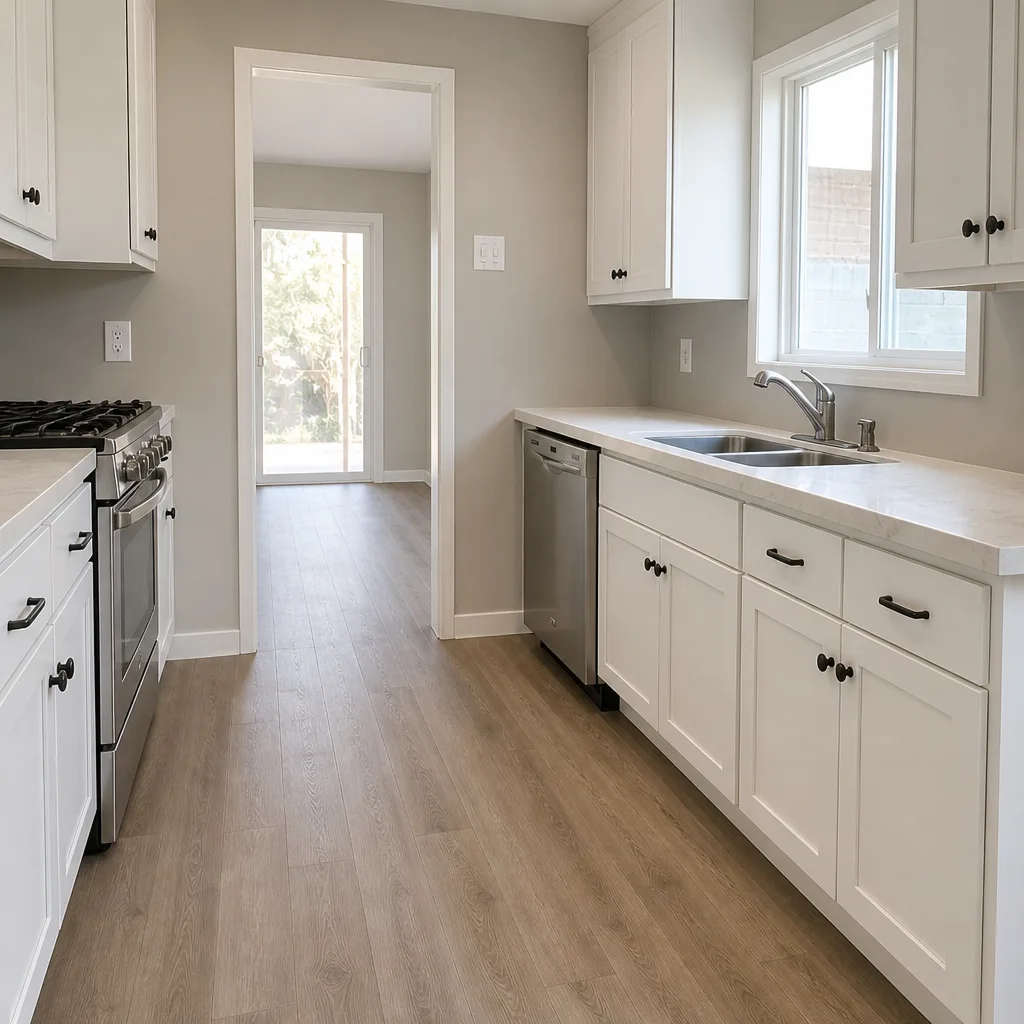 After
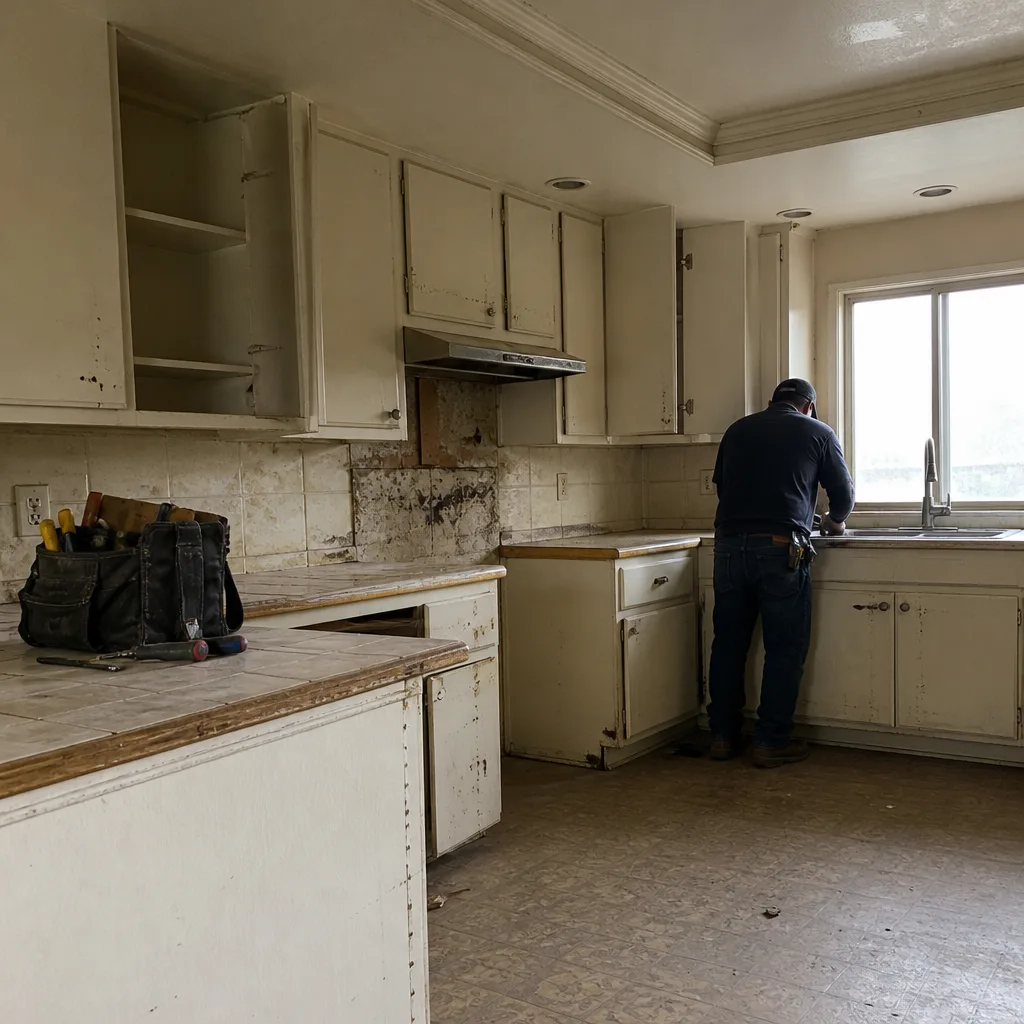 Before
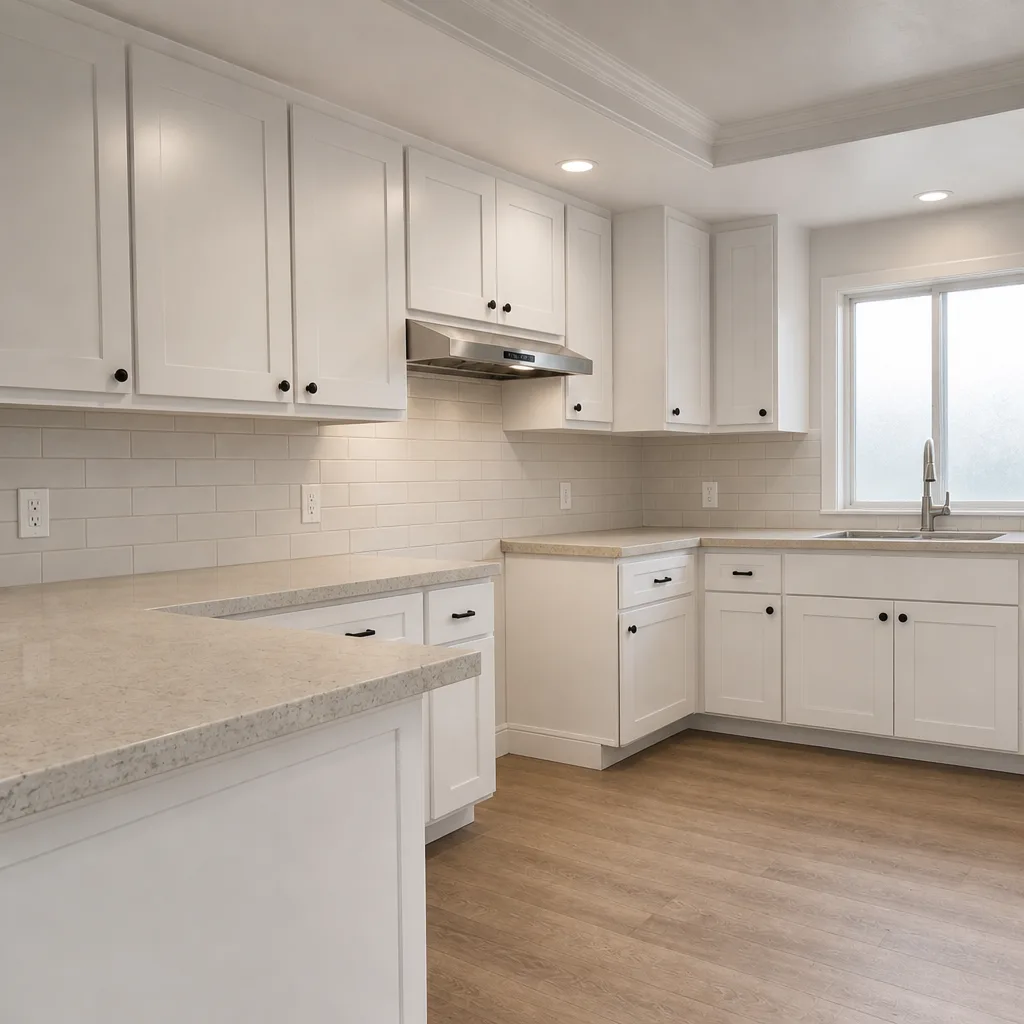 After
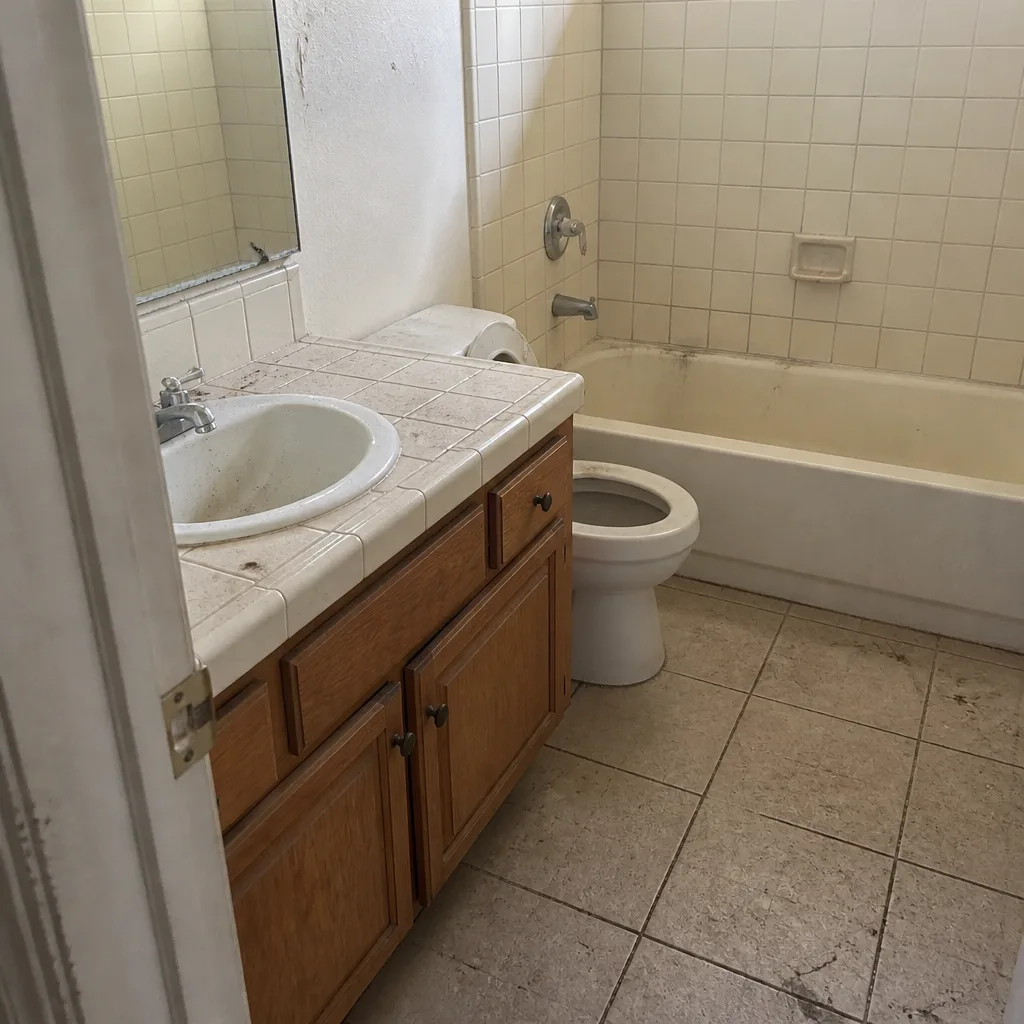 Before
 After
Frequently Asked Questions
You can legally, but we’d advise against it. The tile is the visible layer; the waterproofing behind it is what keeps the room dry, and it’s the piece most DIY jobs get wrong. Irvine’s inspection authority requires a waterproof membrane, a properly turned-up pan liner, and a 24-hour flood test – and a failed flood test means a full rebuild. Call (888) 704-4104 for a free estimate if you want the numbers on both routes.
Yes, for any work beyond cosmetic finishes. Painting, swapping a vanity in the same location, hanging a mirror, and changing hardware don’t need a permit. Shower tile, waterproofing, plumbing rough-in, electrical, and any structural change do. Permits run roughly $200-$450 for a typical bathroom remodel in Irvine, depending on scope. Call (888) 704-4104 if you want to talk through what your specific project needs.
A cosmetic refresh in Irvine typically runs $8,000-$15,000; a mid-range full remodel runs $25,000-$55,000; and a high-end primary bath with a large-format tile shower, freestanding tub, and custom vanity runs $60,000-$95,000. The two biggest drivers are whether the drain moves (each move adds $1,500-$3,500) and the countertop material. Call (888) 704-4104 for a written line-item price – estimates are free.
Sometimes, with conditions. Demo of drywall, vanity, and tile out of a shower that’s already coming out is doable if the contractor agrees in writing to do the waterproofing, rough plumbing, and rough electrical. What we don’t recommend is demo that touches the shower pan liner, the drain, or anything inside a wall you don’t fully understand. Ask the contractor to specify exactly what you’re responsible for removing. Call (888) 704-4104 to talk through a hybrid scope.
Rough plumbing is the pipe and valve work inside the wall before it closes, and it requires a licensed plumber and an inspection in Irvine. Finish plumbing is the faucet, trim, and visible fixture install at the end, and most homeowners can do that part. The rough phase is where the risk sits because mistakes are hidden behind the wall. Call (888) 704-4104 if you’re not sure which phase a task falls into.
Not on the contracted work. The contractor’s guarantee covers the work they performed; it doesn’t cover finish work you did after the shell was inspected. What matters is that the boundary is written down before work starts, so there’s no dispute later. Penhallow Remodeling Irvine’s 365-Day Done Right Promise is in writing on every project, including the exact scope of what it covers. Call (888) 704-4104 for details.
The Bottom Line
Painting, a vanity swap, a toilet replacement in the same spot, mirrors and hardware – all DIY-safe, and you’ll save real money. Shower tile, pan liner, drain moves, rough plumbing, rough electrical – permit-required and waterproofing-critical, and not a good DIY bet for anyone doing it for the first time. California’s code on shower waterproofing is stricter than most online tutorials suggest, and the flood test is the single check that keeps a shower from becoming a subfloor repair six months later. Scope a hybrid properly, in writing, and each side’s liability is clear. Call (888) 704-4104 for a free estimate in Irvine.
Written by the team at Penhallow Remodeling Irvine.