
Last updated November 18, 2026








Free written scope consultation - allowances, timeline, and change-order rules on paper before a single trade is scheduled
General Contractor Warning Signs Every Homeowner Should Know
A contractor who hands you a verbal estimate “to keep things flexible” isn’t being casual. Flexibility in a construction contract is a legal mechanism, and it’s the one that lets the final invoice be almost any number the contractor decides is fair after your walls are open. California courts have consistently sided with written scopes over verbal agreements, which means the homeowner holding a handshake and a text thread is the one holding the risk. This guide is about the quieter red flags that second-time remodelers catch: contract language, license gaps, insurance shells, and call-back patterns that predict a vanishing act in month two. We’ll walk through what to check before you sign anything in Irvine or anywhere else.
Quick Answer
The most serious contractor red flags are vague written scopes, a license record you haven’t checked against the CSLB database, insurance certificates you’ve never verified with the insurer, and communication patterns during the estimate phase that telegraph a disappearing act later. A high price is visible and negotiable. A vague contract is invisible until the change orders arrive.
Styles & brands we work with
- Kitchen remodeling
- Bathroom remodeling
- Home additions & ADU
- Roofing
- Windows & doors
- Driveway & pavers
- Fence
Table of Contents
- Why a Verbal Estimate Is a Legal Trap, Not a Favor
- How to Read a Contractor’s CSLB License Record
- Vague Scope of Work: The Most Expensive Warning Sign
- Verifying Insurance Without Trusting a Photocopy
- What a Contractor’s Subcontractor Relationships Reveal
- Communication Red Flags During the Estimate Phase
- Bonds, Workers’ Comp, and Who Pays When Things Go Wrong
- Irvine-Specific Red Flags Worth Knowing
- Common Mistakes to Avoid
- When to Call a Professional
- Frequently Asked Questions
Why a Verbal Estimate Is a Legal Trap, Not a Favor
“Let’s keep the paperwork light and figure it out as we go” sounds friendly. In practice, it strips away the only document that protects you when a dispute lands in small claims or superior court. California courts routinely enforce written scopes, written change orders, and written completion dates. Verbal discussions about “roughly what it’ll cost” carry almost no legal weight once the work has been performed and the contractor argues the scope was broader than you remember.
The pattern we see most often: a homeowner accepts a verbal range of, say, $22,000 to $28,000 for a kitchen, then receives an invoice for $41,000 after the contractor claims the electrical and plumbing “weren’t in the original number.” Without a written scope defining what the $22,000 covered, there’s no way to prove otherwise. The flexibility the contractor praised on day one becomes your problem on day ninety.
What a written price actually protects you against:
- Scope creep – every line item tells you what is and isn’t included, so additions require a signed change order and a new number.
- Ballooned invoices – the day-one number is what you owe, unless you approve changes in writing.
- Disappearing guarantees – a verbal promise to “make it right” has no enforcement mechanism. A written guarantee with a stated term does.
- Unclear completion dates – a written schedule gives you something to point at if the job runs weeks past the agreed window.
In Irvine specifically, where many homes sit inside HOAs with tight remodel rules and strict inspection schedules, an undefined scope can delay your project by months while you sort out whether the contractor or the HOA was responsible for a missing submittal. Our team at Penhallow Remodeling Irvine puts the price in writing before any work starts, and we treat the invoice as a promise, not a starting point.
How to Read a Contractor’s CSLB License Record
The Contractors State License Board (CSLB) maintains a public database every California homeowner can query in about two minutes. Very few actually do. The license number on a business card means nothing until you’ve pulled the record and read it carefully, because the record tells you three things a business card never will: complaint history, bond status, and workers’ compensation coverage.
Step-by-step: checking a contractor’s CSLB record
- Go to the CSLB website and enter the contractor’s license number or business name.
- Confirm the license is active, the classification code matches the work (a B-General Building license for whole-home and remodeling projects), and the business name matches the contract you’ll sign.
- Read the complaint disclosure section. Arbitration awards, citations, and disciplinary actions stay on the record for years. One or two minor complaints over a decade of work is normal; a pattern of unclosed complaints is not.
- Check the bond line. Every licensed contractor carries a $25,000 contractor’s bond, which exists to pay certain claims if the contractor fails to perform. An expired or lapsed bond means you have almost no recovery path if the job goes sideways.
- Confirm workers’ compensation coverage is listed. If the contractor has employees and workers’ comp has been exempted, and someone gets hurt on your property, your homeowner’s policy may end up on the hook.
If a contractor can’t provide the license number on the spot, or if the record shows a license suspended or expired even briefly, that is a warning sign you cannot ignore. Call the number yourself if anything is unclear. The CSLB is used to homeowner questions.
Vague Scope of Work: The Most Expensive Warning Sign
Most homeowners fixate on the bottom-line price. The more dangerous variable is the scope. A vague scope can be attached to a $40,000 estimate and produce a $63,000 final invoice, while a tight scope attached to a $48,000 estimate is often the safer bet because it protects you.
Here’s language that protects you in an Irvine kitchen remodel:
- “Remove and dispose of existing cabinets and countertop. Install KraftMaid maple cabinetry in the Shaker door style, model verified in Appendix A. Install 3cm Cambria quartz countertop, edge profile per drawing C-102.”
- “Relocate the kitchen sink supply and drain to accommodate an under-sink cabinet and Kohler pull-down faucet. Permit included.”
- “Electrical work defined per the attached lighting plan: 14 recessed fixtures, 3 under-cabinet runs, 1 dedicated 20-amp circuit for the microwave.”
Here’s language that doesn’t:
- “Remodel kitchen per discussion.”
- “Cabinets and counters as agreed.” – agreed to when? Under what terms? At what price?
- “Minor electrical as needed.” – “as needed” is the contractor’s discretion, priced at the contractor’s discretion.
- “Allowance: $3,000 for countertops.” – allowances are the most common source of change orders. Ask what happens if the actual selection exceeds the allowance, and get it in writing.
If your proposed scope reads more like the second list than the first, ask for a written revision. A contractor who resists putting detail in writing is telling you something important about how the project will go. Read more about what a proper scope looks like on our Kitchen Remodeling in Irvine page.
Verifying Insurance Without Trusting a Photocopy
Every contractor will hand you an insurance certificate. Many homeowners stop there. The problem is that a certificate of insurance is a snapshot of coverage on the date it was printed. It doesn’t prove coverage is still active, that the policy hasn’t been cancelled, or that the named insured is the same entity you’re actually hiring.
Verification takes three phone calls:
- Call the general liability insurer listed on the certificate, using the number from the insurer’s own website, not the number on the certificate.
- Confirm the policy is active, the coverage dates extend through your project, and the legal name of the insured matches the name on your contract. (A certificate showing “Smith Construction Inc.” when your contract says “Smith Builders LLC” is a serious problem.)
- If the contractor has employees, confirm the workers’ compensation policy is active through the same method, and again verify the entity name.
In Irvine, where whole-home remodels and additions regularly run six to twelve months, coverage dates need to extend past the projected completion date. A policy expiring in three months on a nine-month remodel is a gap you’ll see the moment a problem arises.
One point homeowners frequently miss: the contractor’s insurance covers the contractor. It does not automatically protect your property from a subcontractor’s negligence. For that you need a certificate of insurance from the subcontractor too, and a contract that spells out who is responsible for a sub’s work. More on that next.
What a Contractor’s Subcontractor Relationships Reveal
A general contractor who uses subcontractors for electrical, plumbing, tile, and cabinets is normal practice. What matters is which subs they use, how they supervise them, and who legally answers for the work.
When a subcontractor does bad work on your property and the contractor says “that’s the sub’s problem, not mine,” you’ve just discovered a critical gap: you hired the general contractor, you paid the general contractor, and your legal relationship is with the general contractor. The GC cannot shift responsibility to a sub they hired without your written agreement. If they try, that’s a warning sign about how the next punch list will be handled.
Ask direct questions during the estimate phase:
- “Which subs will you use for the electrical, plumbing, and tile work, and what are their license numbers?” (You can verify each one against the CSLB.)
- “Will your subs be carrying their own liability and workers’ comp insurance, and can I see the certificates?”
- “If a sub’s work fails inspection, who pays to correct it?”
- “Who is my primary point of contact once work begins, and is that person on site?”
The answers tell you whether you’re hiring an accountable general contractor or a middleman who will punctuate every conversation with “that’s not my scope.” A live person answering the phone during the estimate phase is usually the same live person answering during the project. Our team answers calls 24/7, and the answer to “who is responsible” is always us.
Communication Red Flags During the Estimate Phase
The way a contractor communicates before the contract is signed is the single best predictor of how they’ll communicate after it. Slow call-backs on a bid become slow call-backs on a warranty claim. Here’s what to watch.
- Slow or sporadic callbacks during the estimate phase. If a callback takes four days before they have your money, expect ten days after they do.
- Verbal-only commitments. “We’ll take care of that” or “we’ll figure it out” without anything in writing is how promises evaporate.
- Reluctance to put the guarantee in writing. A contractor who says “we always stand behind our work” but won’t define what that means – term, coverage, what triggers a return visit – doesn’t have a guarantee, they have a slogan.
- No written arrival window. “Sometime Tuesday” means you’ll lose a day of work. A real arrival window is a time slot, and a contractor confident enough to commit to one is a contractor who’s run projects before.
- Pressure to skip the walkthrough. Estimates done entirely by text, without a site visit, are how scope gaps happen. Nobody can price a bathroom remodel from photos.
- Unwillingness to name their license number. This is the fastest disqualifier. If they hesitate, thank them and move on.
This pattern runs the other way too. The contractor who answers, sends a written estimate within a reasonable window, and puts the price and guarantee on paper before you sign anything is showing you how they’ll behave when the drywall is up and something needs fixing. We’ve watched homeowners in Irvine treat a fast quote as a green flag when the real signal is a fast, complete, and written one.
Bonds, Workers’ Comp, and Who Pays When Things Go Wrong
Three layers of protection exist behind a licensed California contractor. Most homeowners only know about one of them.
The $25,000 contractor bond
Every licensed contractor in California carries a bond of $25,000 (higher for some categories). The bond isn’t insurance for you in the general sense, but it does provide a limited recovery route if the contractor fails to perform or violates certain licensing requirements and refuses to make things right. A lapsed bond is a red flag; a missing bond is disqualifying.
General liability insurance
This covers property damage and some bodily injury caused by the contractor’s work. Verify directly with the insurer, as covered above.
Workers’ compensation insurance
If a contractor has employees and workers’ comp is not in place, an injured worker on your property can create a claim against your homeowner’s policy. For Irvine homeowners whose homes sit within an HOA, one injury claim can also trigger a breach of the HOA’s construction rules and stall your project for months. Verify this during the estimate phase, not after the injury.
Where contractors often fail this layer is quietly. Workers’ comp listed as “exempt” on the CSLB record when the contractor clearly has employees is a gap worth asking about directly. If a crew member is injured and the contractor’s coverage turns out to be missing or expired, the chain of liability gets uncomfortable fast.
Irvine-Specific Red Flags Worth Knowing
Some warning signs are general to California; others show up specifically in Irvine’s building environment. Watch for these from any contractor quoting work here.
- A contractor who doesn’t know your HOA’s submittal rules. From Northwood to Turtle Rock to Woodbridge, most Irvine HOA architectural committees require drawings, color specifications, and a specific approval window before exterior work. A contractor unfamiliar with the submittal process will get stuck, and you’ll pay for the delay.
- No mention of City of Irvine permits for structural or MEP work. Irvine’s building department is thorough. A contractor who suggests skipping a permit for a load-bearing beam, new electrical circuit, or plumbing relocation is saving money on your risk, not theirs.
- A price noticeably lower than comparable Irvine bids. In an Irvine market where labor and materials are not cheap, a bid that’s 30% below the others usually means unseen costs are coming – allowances, change orders, or an unlicensed helper on the team.
- A contractor who hasn’t accounted for Irvine’s climate patterns. Coastal humidity and summer heat both affect how materials behave. A contractor who doesn’t factor in proper substrate thickness, moisture-resistant backer board, or how the exterior should shed rain may be building a callback.
- No written warranty that travels with the materials. When a Kohler faucet or a Cambria quartz slab carries its own manufacturer’s warranty, that’s a layer of protection on top of the contractor’s own. A contractor who doesn’t mention the manufacturer warranty is probably not registered to file claims under it.
If you’re planning a larger remodel in Irvine, read our General Contractor in Irvine guide for how projects come together here, and our Bathroom Remodeling in Irvine page for how scope and permits play out on wet work.
Common Mistakes to Avoid
- Paying a large deposit upfront. California law limits home improvement down payments to $1,000 or 10% of the contract, whichever is less. Any contractor asking for 30% or 50% before demo is asking you to accept all of the risk.
- Accepting a verbal change order. If the price is going up, the paper is going out. “I’ll just add it at the end” is how a $34,000 project becomes $52,000 without a single signature.
- Skipping the CSLB check because a referral vouched for them. A neighbor’s good experience doesn’t change an expired license or a current complaint history. Two minutes of checking is worth more than the referral.
- Assuming a permit is “someone else’s job.” Pulling permits is the contractor’s responsibility. If they ask you to pull the permit as the homeowner, they’re getting out of the inspection chain – and off the hook for code violations.
- Comparing bids without comparing scopes. A $38,000 bid and a $47,000 bid look comparable on a spreadsheet, but they often cover very different work. Line up the scopes side by side before you look at the totals.
- Not asking what happens when the work fails. Every remodel has a punch list. Ask what the contractor’s written guarantee covers, for how long, and what triggers a return visit at no charge. If the answer is verbal, it’s not a guarantee.
- Ignoring the contractor who’s late to the estimate. If they can’t make the estimate on time, the project will be next. Punctuality in the estimate phase is a preview of the whole job.
When to Call a Professional
Some homeowner fixes are fine, but whole-home remodels, kitchen cabinetry work, load-bearing changes, and electrical or plumbing relocations are not the place to learn on the job. If you’re facing an outdated kitchen with one electrical outlet per wall, a bathroom where the tile has started to cup at the corners, or a remodel where the scope has grown past what you initially planned, you need a licensed general contractor before the project gets more complicated. Structural decisions, permit pulls, and the sequencing that keeps a kitchen usable during a remodel are exactly the areas where a DIY approach or an unlicensed handyman causes six-figure problems. Penhallow Remodeling Irvine offers free estimates in Irvine – call (888) 704-4104 to schedule a walkthrough with a team that puts the price and the guarantee in writing before any work starts. Start with the Penhallow Remodeling Irvine home page if you’d like to see how we structure projects.
Frequently Asked Questions
The biggest red flags are a vague written scope, an unverified CSLB license, insurance certificates you’ve never confirmed with the insurer, and slow callbacks during the estimate phase. A high price is visible and negotiable; a vague contract is invisible until change orders arrive. In our experience, the second is far more expensive than the first.
Go to the CSLB website, enter the license number, and confirm three things: the license is active, the business name matches your contract, and the complaint disclosure and bond status are clean. A licensed Irvine contractor should also be able to name their classification code (a B-General Building license for most remodels) without checking.
No. Verbal estimates are a legal trap in California because courts enforce written scopes far more reliably than verbal discussions. “Flexible” in a contract usually means the final price can go up without your consent. A written estimate with a defined scope protects you; a verbal number protects the contractor. Call (888) 704-4104 if you’d like to see what a written estimate looks like from our team.
The $25,000 California contractor’s bond provides a limited recovery route if the contractor fails to perform or violates certain licensing requirements. It’s not comprehensive insurance, but a lapsed or missing bond means you have almost no legal path if the job goes sideways after you’ve paid. Always verify the bond status on the CSLB record, not just the certificate the contractor hands you.
Decline or negotiate it down. California’s home improvement contract rules limit deposits to $1,000 or 10% of the total contract price, whichever is less. A contractor asking for 30% or 50% down is asking you to carry the entire risk of the project before a single nail has been pulled. That’s not how a contractor confident in their work structures a payment schedule.
Call the insurer directly, using the phone number from the insurer’s own website. Confirm the policy is active, the coverage dates extend past your project completion, and the legal entity name on the certificate matches the name on your contract. For a long remodel – which many Irvine projects are – a policy expiring mid-project is a gap. Call (888) 704-4104 if you’d like a line-item walkthrough of what our insurance covers.
The Bottom Line

The warning signs that matter most aren’t the obvious ones. They’re the subtle patterns: verbal estimates, vague scopes, an unread CSLB record, insurance certificates never verified, slow callbacks during the estimate phase, and a contractor who won’t put the guarantee in writing. A homeowner who checks those five things before signing anything prevents most of the disasters we get called to fix. Every project we take on at Penhallow Remodeling Irvine comes with a written price before any work starts, background-checked and uniformed technicians, and the 365-Day Done Right Promise – if it’s not done right, we make it right. A live person answers 24/7. If you’re planning a remodel in Irvine, call (888) 704-4104 for a free estimate.
Written by the team at Penhallow Remodeling Irvine.
See the difference
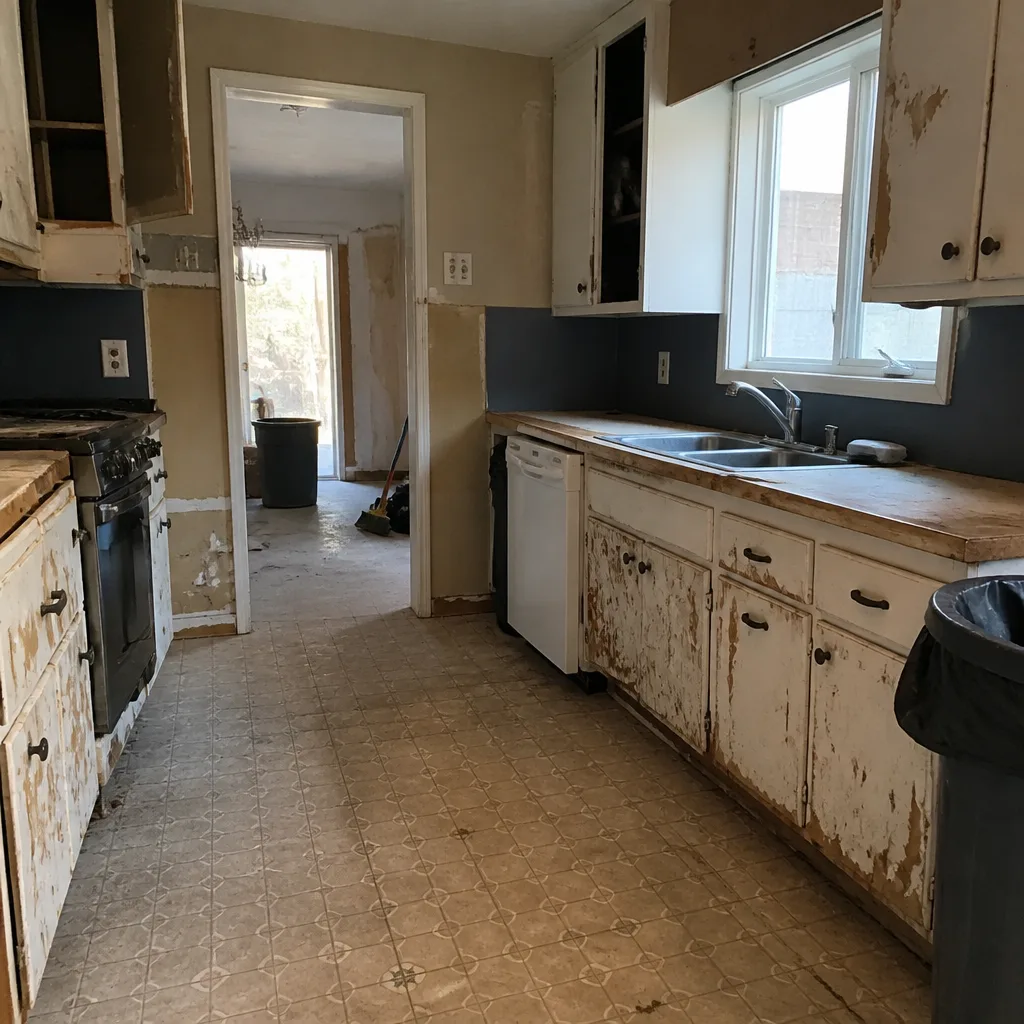 Before
 After
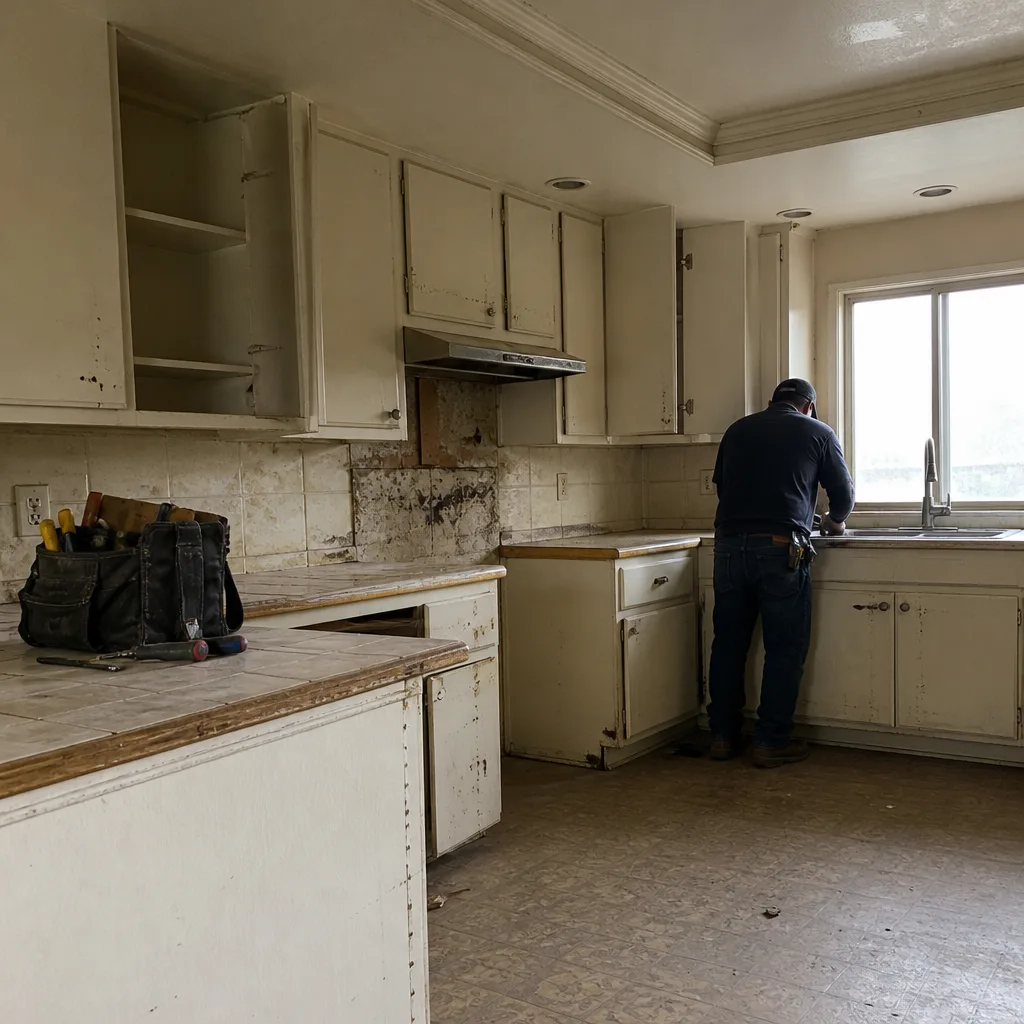 Before
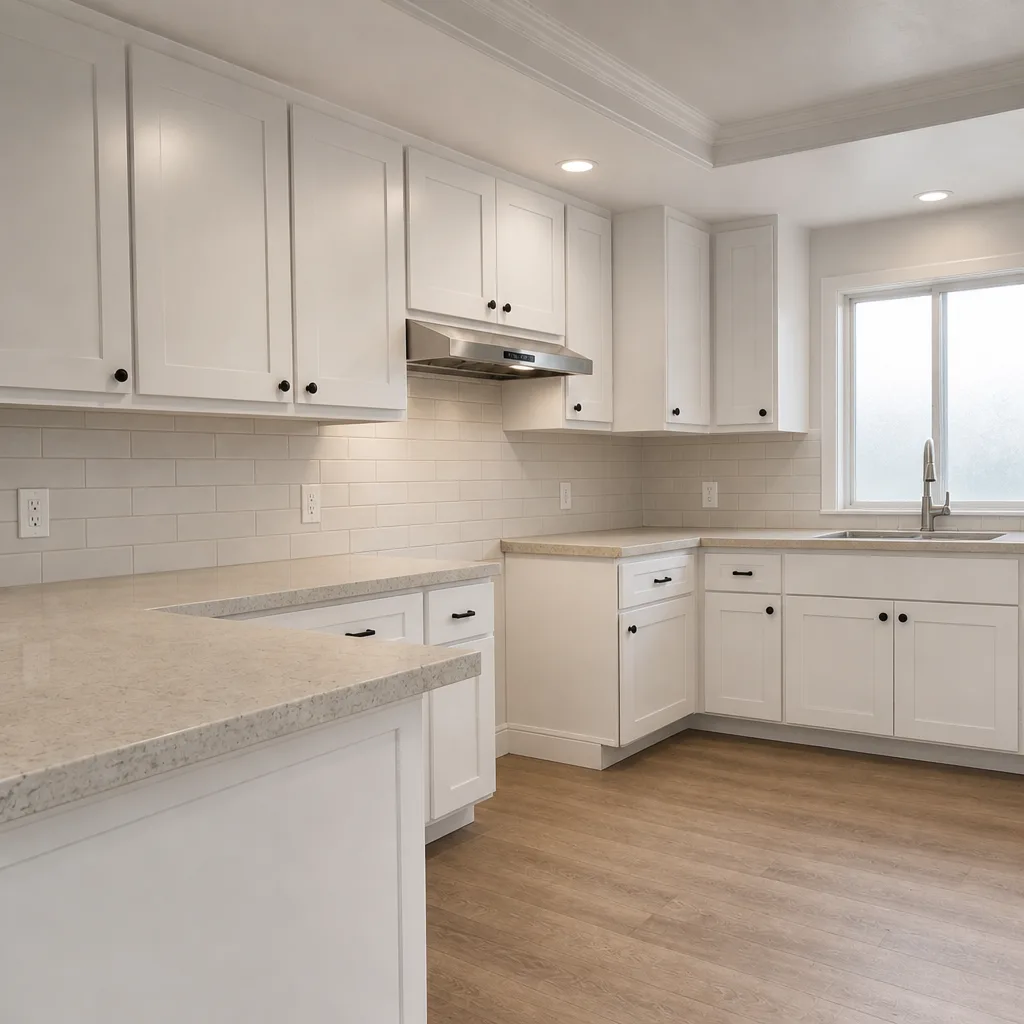 After
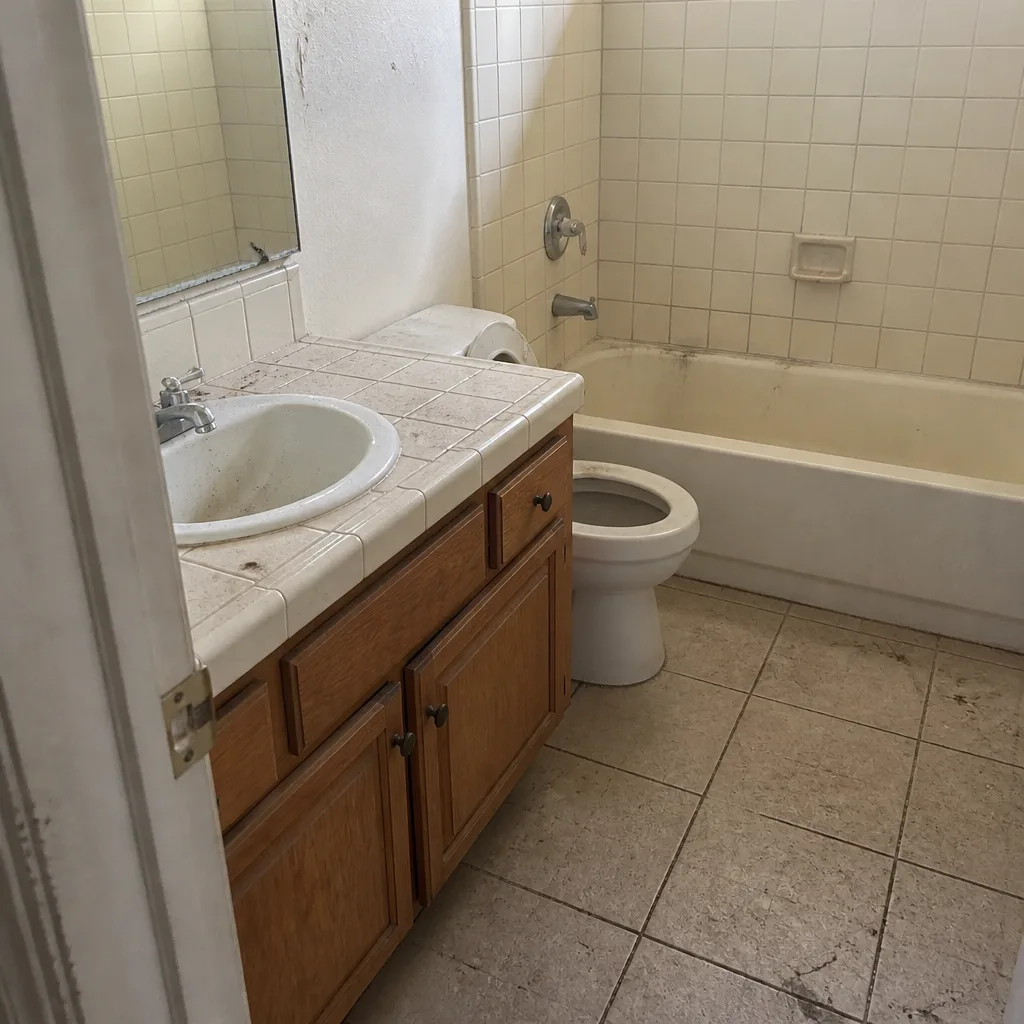 Before
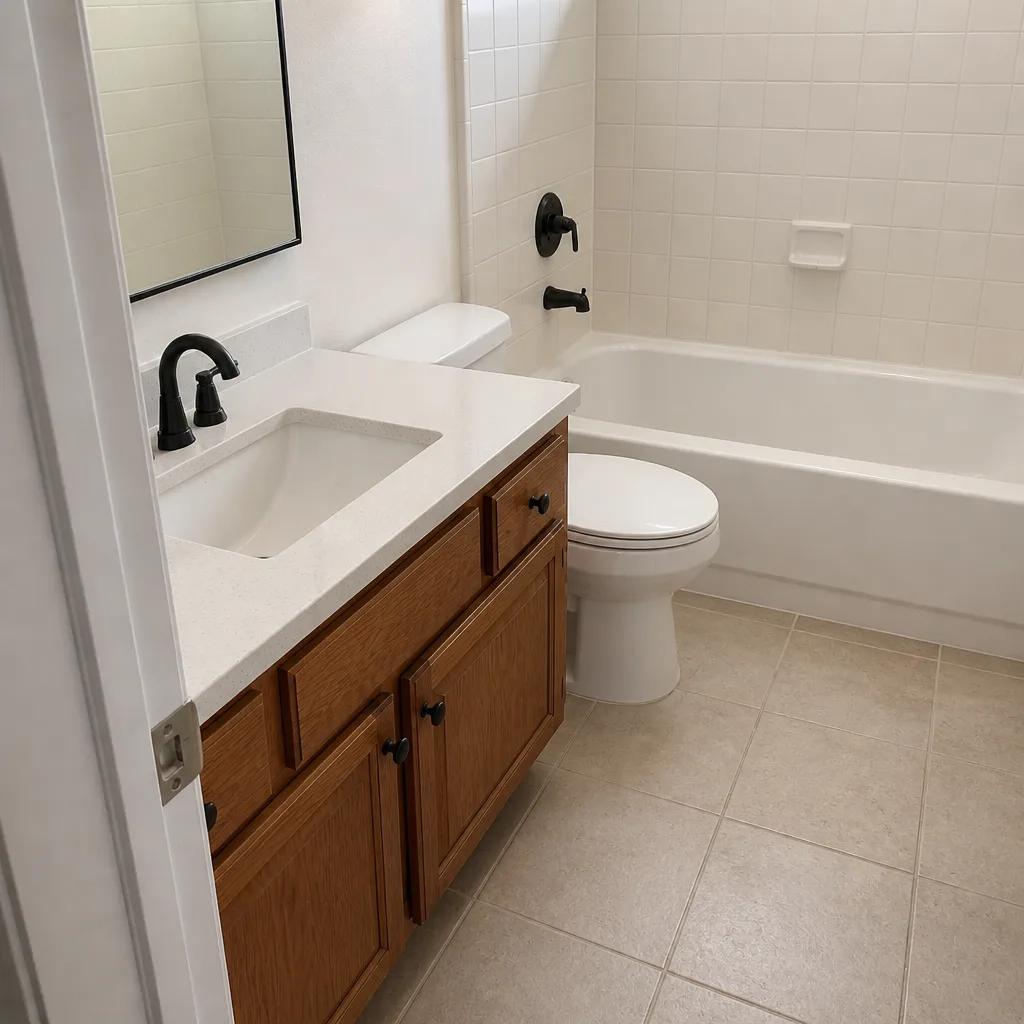 After